


Navigating rough trails requires footwear that protects your ankles, but figuring out what to wear with hiking boots women often determines whether you finish the day comfortably or with painful blisters. Rugged mid-cut leather boots and lightweight synthetic hikers demand intentional apparel choices that prevent cuff chafing and regulate internal foot temperature. Combining sturdy footwear with proper moisture-wicking layers keeps skin dry while shielding your lower legs from scratchy brush and unexpected trail debris. Investing in well-fitted technical hiking pants establishes a protective barrier that complements supportive boot collars without bunching around the ankle hardware.
Selecting the right wardrobe extends beyond basic trail utility because functional clothing must balance breathable ventilation, weather protection, and mobility across shifting terrain. High-denier fabric weaves, targeted cushioning in thermal wool socks, and flexible synthetic leggings all influence how your footwear performs during steep ascents. Moisture management around the boot tongue prevents sweaty hotspots, while adjustable hems stop scree and small pebbles from migrating past your boot cuffs. Establishing a versatile layering system ensures your trail ensemble remains dependable in brisk mountain air or warm afternoon sunshine.

Pros
- High 70% merino wool content delivers dependable thermal warmth for cold-weather trail outings
- Generous 5-pair multipack makes it easy to pack dedicated dry sleep socks and trail spares into a backpack
- Spandex blend provides sufficient elasticity to accommodate women's shoe sizes 6 through 10
- Crew length pairs comfortably with mid-cut and high-cut hiking boots
Cons
- Care instructions recommend hand washing and avoiding heat, requiring more maintenance than standard synthetic socks
- One-size design for women's sizes 6-10 does not accommodate very small or larger foot profiles
- Product specifications do not list targeted anatomical cushioning zones or graduated arch compression
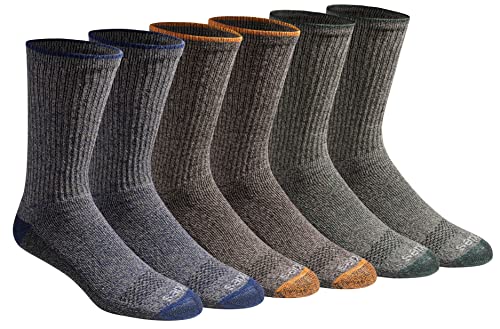
The MQELONG Merino Wool Socks are thermal crew-length boot socks designed as essential cold-weather trail accessories for women. While primary pack hardware like suspension and frames handle carried loads, reliable foot insulation is an equally critical component of any backcountry packing list. These socks are aimed at day hikers, winter walkers, weekend backpackers, and campers who need dependable thermal foot protection without spending top-tier prices for individual pairs.
On the trail, foot comfort relies heavily on fabric composition, especially when temperatures drop. These socks feature a blend of 70% merino wool, 22% polyester, and 8% spandex. Merino wool is recognized for its natural ability to insulate and manage moisture, making this knit practical for chilly morning starts, damp trail conditions, and cold-weather camp setups. The listed size range fits US women's shoe sizes 6 through 10, utilizing the integrated spandex to grip the foot and stay upright inside mid-cut or high-cut hiking boots.
Construction quality centers around a thick, cozy knit structure that provides a soft barrier between the foot and the inner lining of hiking footwear. The 22% polyester content adds structural strength to the yarn, which helps the knit hold up against the repeated friction generated inside a boot. The crew-height design extends well above the ankle, preventing stiff boot collars from rubbing against bare skin and keeping trail duff, pine needles, and cold drafts off the lower leg.
For backpackers organizing gear in a multi-day pack, having clean, dry socks is a major safety and comfort consideration. Because this package includes five pairs, hikers can easily roll two or three sets into a dry bag or stuff sack to ensure they have dedicated sleeping socks and backup pairs for creek crossings. Maintenance requires conscious care: the manufacturer suggests hand washing and advises against ironing, which helps protect the natural elasticity of the wool fibers between weekend trips.
These socks carry clear practical limitations that trail users should weigh before heading into technical terrain. Sizing is restricted to a single range covering women's shoe sizes 6 to 10, meaning hikers with narrower, wider, or larger feet may experience loose bunching or tight toes. Furthermore, the product data does not indicate specific technical trail features such as targeted heel-strike padding, ventilated mesh insteps, or specialized arch bands found on dedicated endurance hiking socks.
Overall, the MQELONG Merino Wool Hiking Socks represent a solid, budget-conscious choice for casual hikers, winter campers, and travelers stocking their packs for cooler weather. The high merino wool ratio and multipack value make them a functional addition to any daypack or overnight gear list where warmth, soft comfort, and extra trail spares are needed.
The fabric blend consists of 70% merino wool, 22% polyester, and 8% spandex. This combination allows the natural thermal properties of wool to dominate, while synthetic fibers provide structural integrity and stretch retention across trail use.
To maintain the soft feel and elasticity of the knit, the manufacturer recommends hand washing and specifically advises against ironing. Backpackers should air-dry these socks completely before storing them in gear closets or compression dry sacks between outings.
These socks are built to fit standard US women's shoe sizes 6 through 10. The 8% spandex integration allows the fabric to stretch over the foot and contour along the lower calf.
Because this is a one-size offering, hikers with feet outside the 6-10 shoe size bracket should verify their fit before committing to long treks to avoid excess material bunching inside hiking footwear.

Pros
- Seam-sealed waterproof leather and suede upper provides reliable wet-weather defense
- Omni-GRIP non-marking rubber outsole delivers dependable grip across varied terrain
- TECHLITE midsole provides lightweight cushioning and responsive energy return
- Reinforced toe and heel barriers with extended toe overwrap protect critical wear points
Cons
- Designed specifically for three-season hiking rather than severe winter snowpack or sub-zero conditions
- Leather and suede exterior requires occasional brushing and natural drying after wet, muddy outings
- Mid-cut ankle coverage may feel warmer during high-heat midsummer hikes than low-cut trail shoes
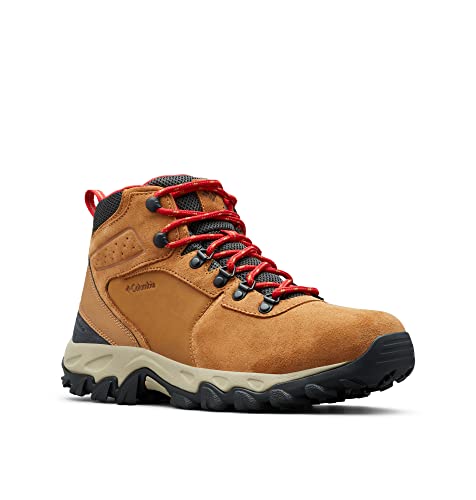
The Columbia Women's Newton Ridge Plus Waterproof Amped is a mid-cut hiking boot engineered for day hikers, outdoor walkers, and weekend adventurers who need dependable trail traction and weather defense. Built with classic mountaineering style cues in a women's size 8 Stratus and Canyon Rose colorway, this boot targets hikers seeking reliable foot support without excess bulk on established trails, forest paths, and mixed outdoor terrain.
On the trail, the boot relies on Columbia's TECHLITE lightweight midsole to deliver sustained cushioning and high energy return across hours of walking. Underneath, the signature Omni-GRIP non-marking rubber outsole provides traction across a wide variety of terrain, making it suitable for loose gravel, packed dirt, slick roots, and rocky inclines throughout spring, summer, and fall.
Construction highlights include a waterproof combination of supportive leather and suede paired with seam-sealed craftsmanship to lock out moisture from wet grass, shallow puddles, and unexpected rainfall. Durability is further reinforced at key wear points with dedicated toe and heel barriers, as well as an extended outsole toe overwrap designed to protect the front of the boot against scrapes and rocks over extended use.
The traditional mid-cut lace-up setup allows hikers to customize tension across the instep and collar for a stable, secure fit around the ankle. For ongoing maintenance, wiping away caked mud with a damp cloth, gently brushing the suede sections, and letting the boots air dry at room temperature helps preserve the upper materials and waterproofing performance between outings.
While the seam-sealed design provides solid moisture protection on damp trails, this boot is specifically rated for three-season use and is not built for deep winter snow or mountaineering crampon compatibility. Additionally, hikers who tackle very warm summer trails in dry climates may find the leather and suede construction holds more heat than lightweight, mesh-heavy low-cut trail running alternatives.
For hikers seeking a sturdy, comfortable waterproof trail boot with solid grip and proven protective overlays, the Columbia Newton Ridge Plus Waterproof Amped delivers excellent practical value. It serves as a dependable choice for day hikes, state park loops, and general outdoor recreation where ankle support, traction, and dry feet are top priorities.
The Columbia Newton Ridge Plus Waterproof Amped combines supportive leather and suede panels to create an abrasion-resistant outer shell. Seam-sealed construction works directly with the treated upper materials to prevent water from penetrating through needle holes and panel joints during wet conditions.
High-wear areas receive dedicated reinforcement, including heavy-duty toe and heel barriers. An extended rubber overwrap from the Omni-GRIP outsole shields the front toe box against impact from trail obstacles, extending the functional lifespan of the boot across seasons of trail use.
This boot is well suited for day hikers navigating variable trails where changing weather and uneven footing are common. The mid-cut height provides supportive coverage around the ankle joint, which helps manage balance over rocky stretches and uneven dirt trails.
Underfoot cushioning from the TECHLITE midsole reduces ground impact during longer day treks, while the Omni-GRIP rubber tread maintains reliable footing on dry switchbacks, damp leaves, and loose gravel paths without marking indoor surfaces at the trailhead.
Routine care for the leather and suede upper begins with removing dried mud and dust using a soft-bristle brush after every trail outing. Spot cleaning with cool water and a mild soap helps preserve the appearance of the Stratus and Canyon Rose colorway without damaging the material structure.
Always allow the boots to dry naturally at room temperature away from campfires, radiators, or direct high heat, as excessive heat can dry out leather and compromise seam adhesives. Occasional treatment with a water-repellent spray designed for suede and leather can help maintain outer water bead performance.

Pros
- Advanced traction rubber outsole provides reliable grip on wet or uneven terrain
- Manageable 14.98 oz single shoe weight minimizes leg fatigue on long day hikes
- Waterproof suede leather build keeps feet protected in damp outdoor environments
- Cushioned EVA insole and supportive midsole soften impact on rocky trails
- Integrated mesh tongue assists with airflow during strenuous hiking
Cons
- Slightly firm sole feel may be stiffer than expected for hikers preferring plush trail-runner cushioning
- Hikers wanting a roomy toe splay may need to choose the wide toe box variant over this standard profile
- Specific waterproof membrane specifications and prolonged submersion limits are not provided
The NORTIV 8 Women's Waterproof Hiking Boots are designed for day hikers, weekend backpackers, and outdoor enthusiasts seeking protective, budget-friendly footwear for trail use. Listed in women's size 8.5 with an eye-catching black and pink colorway, these mid-cut trekking boots combine waterproof suede leather uppers with an ankle-height structure to balance weather resistance and trail stability.
For trail performance on varied ground, the boot relies on an advanced traction rubber outsole built for slip resistance on uneven, muddy, or rocky terrain. Weighing 14.98 ounces for a single shoe, the design keeps foot weight relatively low compared to traditional heavy backpacking boots, which helps reduce overall fatigue during high-mileage day hikes. The slightly firm sole profile delivers essential underfoot protection against sharp stones and roots without unnecessary bulk.
Construction features include a durable suede leather exterior that shields feet against trail debris, complemented by a breathable mesh tongue that facilitates ventilation during warm hikes. Underfoot, a lightweight midsole works alongside an EVA insole to provide all-day cushioning and shock absorption. The boot blends functional durability with a feminine outdoor style through soft suede textures and contrasting color panels.
In terms of fit and adjustment, this standard size 8.5 model features traditional lace-up hardware to secure the ankle and midfoot. For hikers who prefer extra forefoot volume or plan to wear thicker wool socks on backpacking trips, the manufacturer suggests considering the wide toe box version. Routine trail care involves brushing dried dirt from the suede surface and letting damp boots air dry away from direct heat sources.
Realistic limitations should be kept in mind before purchase. The slightly firm sole is designed primarily for stability and rock protection, which may feel rigid to hikers who prefer the flexible, plush cushioning of trail-running shoes. Furthermore, while the boots feature waterproof construction, deep water crossings or continuous heavy downpours can still test exterior materials over time.
For women seeking a dependable, cost-effective boot for state park day hikes, rugged weekend backpacking, or general camping, the NORTIV 8 Waterproof Hiking Boots offer practical performance. With reliable rubber traction, supportive EVA cushioning, and weather-resistant suede, they represent a solid entry-level choice for hitting the trail with confidence.
Finding the right fit in hiking footwear is essential for avoiding trail discomfort. This NORTIV 8 model comes in women's size 8.5 with a standard profile designed to secure the heel and midfoot. For hikers who prefer additional room for toe splay or thicker wool backpacking socks, the manufacturer recommends opting for the wide toe box version.
Standard lacing across the midfoot and ankle shaft allows users to customize tension depending on whether they are climbing uphill or descending steep terrain. Trying boots on with your preferred trail socks helps confirm adequate room in the front without heel slippage.
Underfoot stability on rugged trails depends heavily on outsole compound and tread design. NORTIV 8 equips this boot with an advanced traction rubber outsole engineered to resist slipping on loose dirt, gravel, and wet rock surfaces during backcountry trekking.
The slightly firm sole profile acts as a protective barrier against sharp stones and trail roots, preventing foot bruising under a loaded pack. Inside, an EVA insole paired with a lightweight midsole adds essential shock absorption to cushion recurring trail impact.
The upper is built from waterproof suede leather paired with an ankle boot structure to provide ankle support and barrier protection against wet brush and damp trail conditions. Suede offers natural abrasion resistance against light scrapes from rocks and trailside branches.
To maintain internal airflow, a durable mesh tongue is integrated into the lacing area to vent heat and moisture vapor during exertion. Proper maintenance includes brushing off dried mud and applying suede-safe waterproofing treatments periodically to preserve leather quality over multiple hiking seasons.
Complete Guide to Styling and Layering Outfits With Women’s Hiking Boots
Putting together an outdoor outfit requires balancing weather defense, friction prevention, and personal style around your footwear. When planning what to wear with hiking boots women often face shifting trail temperatures and varied terrain that test every layer of fabric. The right combination keeps you shielded from briars, reduces blister-causing moisture, and moves effortlessly across steep inclines. Focusing on your socks, legwear, and torso layers creates a dependable system suited for any wilderness outing.
The Critical Foundation: Hiking Socks and Blister Prevention
Blister prevention begins at the skin level long before your boots touch rocky soil. Cotton athletic socks hold sweat against the epidermis, softening skin until friction creates painful hot spots. High-performance trail socks rely on merino wool blended with elastic fibers to maintain thermal balance and wick moisture away from feet. High-density merino wool options provide soft cushioning across the sole while retaining structural elasticity over high-mileage hikes.
Sock height must always extend past the boot collar to protect your skin from direct collar friction. Mid-cut boots with stiff padded collars will quickly abrade bare ankles if paired with low-cut or ankle socks. Crew-length trail socks cushion your lower calf and shield the Achilles tendon from repetitive pressure during steep ascents. Ensuring the sock cuff sits two inches above the top eyelet stops lacing hardware from rubbing directly against tender skin.
Moisture dynamics inside waterproof boots make breathable sock fibers even more critical. Boots built with seam-sealed internal membranes keep creek water out, but they also restrict vapor escape compared to airy mesh shoes. Merino wool fibers absorb vapor internally without feeling damp to the touch, keeping footbeds drier throughout sweaty afternoons. This moisture control helps prevent dermal maceration and keeps foot odors manageable on multi-day treks.
Pairing Trail Pants and Trousers With Mid-Cut Footwear
Standard trail trousers provide rugged protection against prickly underbrush, ticks, and abrasive rock surfaces. Choosing durable abrasion-resistant trail pants ensures your legs stay guarded without restricting your natural stride. Straight-leg and tapered cuts work best because they rest cleanly over the upper boot shaft without dragging in wet mud. Loose pant hems can be rolled upward on warm afternoons to vent trapped warmth around the lower leg.
Managing how your pant hems interact with boot lacing hardware prevents annoying trail snags. Open lacing speed hooks can catch on wide pant cuffs, which poses a tripping hazard on steep declines. Many dedicated hikers prefer pants with adjustable bungee drawcords at the ankles that cinch snugly around the boot tongue. Draping the hem over the upper eyelets shields the interior of your boot from falling pebbles, pine needles, and trail dirt.
Flexible textiles engineered with four-way stretch give you unrestricted mobility when stepping over downed trees or scrambling up talus. Investing in articulated knee hiking pants reduces fabric binding over the kneecap during repeated upward steps. Gusseted crotch panels also distribute mechanical tension across the seams, preventing blowouts when navigating high steps. Pairing technical trousers with sturdy trail boots creates a balanced silhouette that looks capable and deliberate.
Hiking Leggings and Tights: Comfort, Compression, and Trail Durability
Technical leggings have become one of the most popular trail garments for women due to their incredible freedom of movement. Standard cotton yoga tights lack the durability needed for rugged trails and tear easily when brushing against granite or thorns. Dedicated hiking tights feature high-denier nylon blends and abrasion-resistant panels across the seat and knees. These reinforced panels resist scuffing when sitting on rough boulders during trail lunches.
Styling hiking tights with mid-cut boots often involves pulling thick wool socks directly over the legging hems. This layered configuration creates a classic outdoor appearance while sealing the gap where small pebbles might enter your footwear. Tucking tights into cushioned crew socks also prevents the bottom hem from riding upward as you hike. Dark earth tones, such as olive green, slate grey, and black, naturally disguise trail mud and dust kicked up by aggressive lugged soles.
Wide, high-waisted compression bands ensure leggings stay securely positioned under a loaded backpack. Backpack hip belts exert continuous pressure around your waist, which can cause thin waistbands to roll downward or pinch delicate skin. Smooth flatlock seams eliminate friction points between your body and heavy pack straps. Leggings with deep side drop-in pockets allow quick access to a trail map or phone without requiring pack removal.
Warm-Weather Styling: Shorts and Skorts on Groomed Trails
Summer hiking demands breathable apparel that keeps you cool during sun-exposed mountain climbs. Pairing mid-cut trail boots with athletic shorts or technical skorts allows maximum airflow around your legs. Choosing shorts with a modest five to seven inch inseam prevents inner-thigh chafing caused by repetitive walking strides. Lightweight nylon fabrics treated with water-repellent finishes dry rapidly after sudden alpine rain showers or stream splash.
Visual balance becomes important when wearing substantial hiking footwear with bare legs. Bulky waterproof boots can look bottom-heavy if paired with ultra-thin, low-profile ankle socks. Scrunching a medium-cushion wool crew sock down toward the top of the boot collar creates an attractive, functional buffer. This cushioned buffer keeps the stiff tongue and collar padding from scratching sweaty skin throughout high-temperature treks.
Bare legs leave your lower extremities exposed to loose scree, stinging nettles, and airborne dust particles. When hiking arid or sandy routes in shorts, consider clipping on lightweight low-cut trail gaiters over your boots. These small fabric covers fasten to your laces and seal the ankle opening entirely without adding significant insulation. Gaiters keep sharp debris from slipping behind your socks, letting you enjoy breezy shorts without stopping to dump dirt from your shoes.
Upper Body Layering Systems for Variable Trail Climates
Constructing a versatile upper body system relies on the time-tested three-layer outdoor principle. Your base layer sits directly against your torso, pulling perspiration away from your core using synthetic polyester or fine merino wool. Avoid heavy cotton t-shirts that hold moisture and chill your body whenever you stop moving. Long-sleeve sun shirts with built-in ultraviolet protection keep arms cool while preventing painful sunburns on exposed ridgelines.
Mid-layers provide critical thermal insulation when mountain temperatures drop or wind gusts pick up. Lightweight fleece pullovers and packable grid-fleece hoodies offer exceptional warmth without adding bulky weight inside your daypack. Down or synthetic insulated vests keep your chest and vital organs warm while allowing your arms complete freedom to swing trekking poles. Breathable mid-layers regulate body temperature during strenuous ascents so you never overheat.
Outer shells protect your insulating layers from torrential rain, sleet, and punishing headwinds. Technical waterproof jackets feature breathable membranes that mirror the weather-sealed construction of quality hiking boots. Look for jacket designs with underarm pit zippers that permit rapid ventilation without exposing your torso to falling rain. Coordinating your shell jacket with waterproof footwear ensures you remain completely dry from head to toe during unexpected downpours.
Matching Apparel to Boot Construction and Upper Materials
The construction materials of your footwear often dictate the overall aesthetic and practical style of your trail outfit. Traditional mid-cut boots crafted from waterproof leather and split suede evoke a heritage mountaineering look. Classic styling pairs naturally with flannel button-downs, utility canvas vests, and neutral earth-toned hiking trousers. These durable leather models carry enough visual presence to anchor rugged, multi-layered cold-weather outfits.
Modern hybrid boots built with lightweight suede overlays and breathable mesh panels present a sportier profile. Footwear featuring contrasting accents and athletic silhouettes looks fantastic alongside sleek performance apparel. Pairing these agile designs with tapered joggers, moisture-wicking technical tops, and color-coordinated thermal socks creates an energetic trail ensemble. The lighter visual profile suits fast-paced day hikes and casual nature walks on groomed paths.
Midsole cushioning also plays a subtle role in how garments hang and perform during active movement. Lightweight EVA foam and specialized energy-return compounds provide responsive bounce that promotes a faster cadence. When your footwear feels nimble underfoot, streamlined clothing like athletic tights and featherlight windbreakers feels right at home. Matching your apparel weight to your footwear structure ensures your gear works together harmoniously on every mile.
Cold-Weather and Shoulder-Season Trail Outfits
Winter and late-autumn hiking requires specialized layering to prevent hypothermia without causing overheating. Adding thermal base layer bottoms under windproof hiking trousers creates a vital barrier against freezing mountain drafts. Make sure your thermal bottoms fit smoothly around your calves without bunching uncomfortably inside your boot shafts. Excess fabric bulk around the ankles can restrict blood circulation and make your toes feel colder on chilly days.
Thick winter boot socks provide critical loft to trap warmth inside your footwear during frosty morning treks. Verify that your boots have sufficient internal volume to accommodate heavy thermal socks without squeezing your forefoot. Tight footwear compresses insulating sock fibers and reduces warm air pockets, counterintuitively leading to cold feet. Ensuring your toes can still wiggle freely maintains healthy capillary blood flow across freezing terrain.
Cold-weather ensembles also benefit from functional outdoor accessories that trap rising body heat. Knitted wool beanies, thermal neck gaiters, and windproof gloves protect vulnerable extremities from brisk alpine chills. Tall waterproof gaiters become indispensable when hiking through packed snowbanks or slushy mud puddles. These protective sleeves strap beneath the boot arch and cover your lower calf, keeping moisture from penetrating boot laces or soaking pant cuffs.
Transitioning Trail Outfits to Casual Everyday Wear
Modern outdoor footwear offers versatile styling that looks right at home off the mountain. You can easily adapt your hiking boots for casual weekends, coffee shop visits, or relaxed mountain town strolling. Swapping technical nylon trousers for dark-wash denim jeans creates an effortless, rugged streetwear aesthetic. Cuffing your jeans slightly above the boot collar highlights classic metal hardware and leather craftsmanship without looking overly utilitarian.
Oversized chunky knit sweaters, fleece pullovers, and quilted utility jackets pair seamlessly with clean suede hikers. Layering a simple white t-shirt underneath an unbuttoned flannel shirt adds visual depth while keeping you comfortable indoors or outdoors. Leaving the top speed hooks slightly loose creates a relaxed drape that softens the structured look of technical boots. Neutral boot colorways like dark grey, tan, and soft rose coordinate effortlessly with casual wardrobe staples.
Caring for your footwear after dusty trail excursions keeps your boots presentable for casual public wear. Use a soft nylon bristle brush to whisk away dried mud from suede uppers and rubber toe bumpers before heading out. Wiping down the rubber midsoles with a damp cloth instantly restores their fresh, clean appearance. Keeping your boots well-maintained ensures they transition smoothly from rugged wilderness trails to everyday urban adventures.
Assembling a practical trail outfit always comes down to choosing breathable fabrics that support your footwear and prevent friction. Prioritizing high-grade merino wool socks, flexible moisture-wicking trousers or leggings, and adaptable upper body layers keeps you prepared for shifting conditions. When your clothing complements the supportive build of your boots, you can hike longer distances without worrying about uncomfortable chafing or blisters. Focus on functional layering and thoughtful fit adjustments to enjoy every minute spent exploring the great outdoors.



Write Your Review
No reviews yet. Be the first to share your experience!