


Blisters, aching arches, and bruised toenails can quickly turn an exciting wilderness trek into an endurance test. Footwear selection serves as the primary barrier between rough alpine scree and vulnerable feet during long days outdoors. When evaluating who makes the most comfortable hiking boots, trail enthusiasts often look beyond superficial padding toward structural midfoot support and responsive midsole compounds. Proper pairing with flexible apparel such as lightweight hiking pants allows natural stride mechanics without chafing. Footwear brands must balance supple out-of-the-box agility against stable torsional control across uneven terrain.
Modern trail designs from manufacturers like Columbia and NORTIV 8 approach foot fatigue through engineered cushioning and multi-surface grip. Columbia incorporates lightweight TECHLITE midsoles and seam-sealed leather uppers, whereas NORTIV 8 delivers shock-absorbing removable insoles paired with flexible EVA platforms. Selecting the right model requires matching specific foot volume and trail conditions to internal collar cushioning, secure heel counters, and protective toe caps. Understanding how different manufacturers build outsoles, arch contours, and waterproof barriers ensures that long treks remain free from friction hot spots.

Pros
- Ankle-high waterproof build protects against puddles, wet mud, and shallow splashes
- Flexible EVA midsole and removable cushioned insole deliver immediate step-in comfort
- High-traction rubber outsole provides dependable grip on wet, muddy, and loose ground
- Multipurpose design suits day hiking, camping, light backpacking, and manual outdoor work
Cons
- Waterproof membrane reduces upper airflow in hot, dry summer weather compared to ventilated mesh footwear
- Lacks the rigid shank support required for technical mountaineering or crampon use
- Sizing is fixed to standard shoe lasts and may require aftermarket insoles for specialized arch shapes
The NORTIV 8 Men's Ankle High Waterproof Hiking Boots are built for day hikers, weekend backpackers, campers, and outdoor workers who need ankle stability and dependable wet-weather protection. Featuring an ankle-high silhouette in a brown, black, and tan colorway, this trail footwear caters to outdoor enthusiasts who navigate muddy paths, rocky forest tracks, and uneven ground. The design emphasizes immediate step-in cushioning and reliable traction, making it an appealing option for beginners and budget-minded hikers seeking functional outdoor footwear.
Underfoot cushioning and trail shock absorption rely on a balanced two-part comfort setup featuring lightweight EVA midsoles and removable cushioned insoles. The flexible EVA foam absorbs ground impact and provides responsive energy return, helping to minimize foot fatigue over long days on the trail. In addition, the removable shock-absorbent footbed allows hikers to remove the insoles to air out after wet outings or replace them with custom orthotics if specific arch support is needed.
Outsole traction and upper construction are specifically engineered for challenging, slick outdoor surfaces. The durable rubber outsoles feature pronounced, multidirectional lugs designed to grip mud, damp dirt, wet rocks, and loose gravel, minimizing slipping on steep ascents or slick descents. The ankle-high cut offers added lateral support and keeps trail debris from entering the footwear, while the waterproof upper helps keep feet dry during rainy hikes, dewy mornings, and shallow stream crossings.
Caring for and maintaining these boots is straightforward thanks to the synthetic upper and durable rubber foundation. Because the insoles can be taken out, drying the boots after rainy trail excursions or sweaty hikes is much faster, which helps preserve the internal materials and reduce odor buildup. Hikers should routinely brush dried mud from the outsole grooves to ensure the rubber lugs retain their intended grip on future outings.
While these boots deliver solid recreational performance across everyday outdoor activities, they do have practical footwear limitations. The waterproof barrier naturally limits upper ventilation during hot, dry summer hikes, which can cause feet to feel warm over extended mileage. Additionally, while the flexible sole excels on moderate trails, it lacks the rigid full-length shank needed for alpine mountaineering or heavy pack loads on jagged rock. For day hikers, weekend campers, and casual trail travelers wanting dependable grip, ankle coverage, and weather protection, these boots provide sensible, trail-ready utility.
The NORTIV 8 hiking boots are equipped with a high-traction rubber outsole engineered specifically for slippery and varied surfaces. The multidirectional lug pattern is shaped to dig into soft soil, mud, wet leaves, and loose gravel, giving hikers confident footing on rolling hills and uneven ground.
To maintain maximum grip, hikers should periodically clean packed mud from between the tread blocks, allowing the durable rubber compounds to make direct, secure contact with the trail surface.
Comfort is delivered primarily through a lightweight, flexible EVA midsole combined with a removable cushioned insole. This setup provides shock attenuation that dampens repetitive trail impacts, helping to keep foot fatigue manageable over miles of walking.
The removable nature of the insoles also means hikers with specific orthopedic requirements can easily insert personalized arch supports without overcrowding the interior of the boot.
These boots incorporate an ankle-high waterproof exterior designed to resist moisture from rain, wet grass, and trail puddles. The ankle-height collar provides extra barrier clearance compared to low-top hiking shoes, preventing shallow splashes from entering over the top.
Hikers should keep in mind that stepping into water deeper than the ankle collar will allow moisture inside, and waterproof footwear generally dries slower and retains more foot warmth than non-waterproof ventilated shoes.

Pros
- Seam-sealed waterproof leather and suede upper provides reliable wet-weather defense
- Omni-GRIP non-marking rubber outsole delivers dependable grip across varied terrain
- TECHLITE midsole provides lightweight cushioning and responsive energy return
- Reinforced toe and heel barriers with extended toe overwrap protect critical wear points
Cons
- Designed specifically for three-season hiking rather than severe winter snowpack or sub-zero conditions
- Leather and suede exterior requires occasional brushing and natural drying after wet, muddy outings
- Mid-cut ankle coverage may feel warmer during high-heat midsummer hikes than low-cut trail shoes
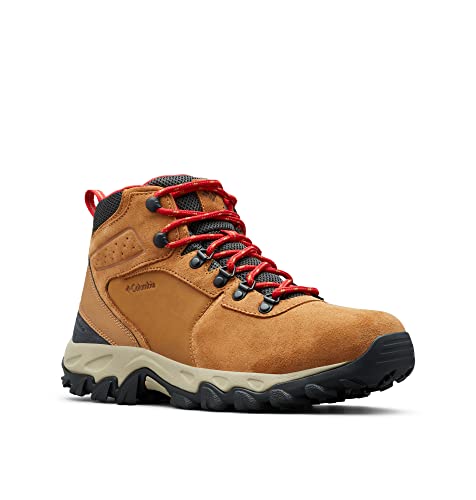
The Columbia Women's Newton Ridge Plus Waterproof Amped is a mid-cut hiking boot engineered for day hikers, outdoor walkers, and weekend adventurers who need dependable trail traction and weather defense. Built with classic mountaineering style cues in a women's size 8 Stratus and Canyon Rose colorway, this boot targets hikers seeking reliable foot support without excess bulk on established trails, forest paths, and mixed outdoor terrain.
On the trail, the boot relies on Columbia's TECHLITE lightweight midsole to deliver sustained cushioning and high energy return across hours of walking. Underneath, the signature Omni-GRIP non-marking rubber outsole provides traction across a wide variety of terrain, making it suitable for loose gravel, packed dirt, slick roots, and rocky inclines throughout spring, summer, and fall.
Construction highlights include a waterproof combination of supportive leather and suede paired with seam-sealed craftsmanship to lock out moisture from wet grass, shallow puddles, and unexpected rainfall. Durability is further reinforced at key wear points with dedicated toe and heel barriers, as well as an extended outsole toe overwrap designed to protect the front of the boot against scrapes and rocks over extended use.
The traditional mid-cut lace-up setup allows hikers to customize tension across the instep and collar for a stable, secure fit around the ankle. For ongoing maintenance, wiping away caked mud with a damp cloth, gently brushing the suede sections, and letting the boots air dry at room temperature helps preserve the upper materials and waterproofing performance between outings.
While the seam-sealed design provides solid moisture protection on damp trails, this boot is specifically rated for three-season use and is not built for deep winter snow or mountaineering crampon compatibility. Additionally, hikers who tackle very warm summer trails in dry climates may find the leather and suede construction holds more heat than lightweight, mesh-heavy low-cut trail running alternatives.
For hikers seeking a sturdy, comfortable waterproof trail boot with solid grip and proven protective overlays, the Columbia Newton Ridge Plus Waterproof Amped delivers excellent practical value. It serves as a dependable choice for day hikes, state park loops, and general outdoor recreation where ankle support, traction, and dry feet are top priorities.
The Columbia Newton Ridge Plus Waterproof Amped combines supportive leather and suede panels to create an abrasion-resistant outer shell. Seam-sealed construction works directly with the treated upper materials to prevent water from penetrating through needle holes and panel joints during wet conditions.
High-wear areas receive dedicated reinforcement, including heavy-duty toe and heel barriers. An extended rubber overwrap from the Omni-GRIP outsole shields the front toe box against impact from trail obstacles, extending the functional lifespan of the boot across seasons of trail use.
This boot is well suited for day hikers navigating variable trails where changing weather and uneven footing are common. The mid-cut height provides supportive coverage around the ankle joint, which helps manage balance over rocky stretches and uneven dirt trails.
Underfoot cushioning from the TECHLITE midsole reduces ground impact during longer day treks, while the Omni-GRIP rubber tread maintains reliable footing on dry switchbacks, damp leaves, and loose gravel paths without marking indoor surfaces at the trailhead.
Routine care for the leather and suede upper begins with removing dried mud and dust using a soft-bristle brush after every trail outing. Spot cleaning with cool water and a mild soap helps preserve the appearance of the Stratus and Canyon Rose colorway without damaging the material structure.
Always allow the boots to dry naturally at room temperature away from campfires, radiators, or direct high heat, as excessive heat can dry out leather and compromise seam adhesives. Occasional treatment with a water-repellent spray designed for suede and leather can help maintain outer water bead performance.
Evaluating Footwear Architecture for Maximum Trail Comfort
Determining who makes the most comfortable hiking boots depends largely on how specific boot architecture matches individual foot anatomy and trail demands. Comfort is rarely a single attribute; it represents an equilibrium between underfoot cushioning, heel stability, and climate control. A boot that feels plush in a living room can quickly produce painful pressure points on steep ascents if its internal structure allows excessive foot movement. Examining the distinct design methodologies of established manufacturers helps hikers choose footwear built to handle long trail miles without foot exhaustion.
Brand Approaches to Midsole Cushioning and Energy Return
Midsole composition serves as the foundation of underfoot shock absorption on gravel and root-strewn paths. Columbia utilizes its proprietary TECHLITE compound in models like the Newton Ridge Plus Waterproof boot to combine low weight with resilient rebound. This specialized compound cushions repetitive heel strikes while returning kinetic energy to help reduce muscular fatigue over rolling terrain. The lightweight formulation prevents the sluggish, heavy feel common in traditional mountaineering footwear.
In comparison, NORTIV 8 approaches trail comfort through a multi-layered cushioning strategy centered around flexible EVA midsoles. Ethylene-vinyl acetate provides an immediate, forgiving step-in feel that conforms comfortably under body weight during day hikes. NORTIV 8 supplements this platform with removable, shock-absorbent cushioned insoles that cradle the heel and distribute plantar pressure evenly. This dual-cushion configuration offers noticeable impact relief for casual hikers exploring packed dirt or gravel pathways.
Hikers must distinguish between immediate plushness and sustained structural support when evaluating midsole comfort. Softer EVA foams deliver unmatched out-of-the-box flexibility, making them ideal for shorter day treks where extensive break-in periods are inconvenient. Firmer, energy-returning midsoles like TECHLITE retain their geometry more effectively under sustained pressure and across rocky surfaces. Choosing between these cushioning philosophies requires matching the expected hike duration and terrain severity to the boot’s underlying foam density.
Anatomical Fit, Foot Volume, and Heel Counter Lock
A secure heel pocket represents the most critical mechanical barrier against painful friction blisters. When a boot allows the calcaneus to lift even slightly during an uphill climb, friction generates rapid shear forces between the skin and boot lining. Columbia addresses heel stability by incorporating reinforced heel counters into their classic mountaineering silhouettes. This rigid perimeter cup holds the rearfoot firmly in place, minimizing lateral movement and preventing unwanted internal slippage.
Internal foot volume determines whether a boot creates restrictive hot spots or allows natural foot expansion. During prolonged exertion, blood flow and temperature cause the feet to swell by roughly half a size. NORTIV 8 provides an accommodating interior profile that allows toes to splay comfortably without pinching against the side walls. Ample forefoot volume prevents metatarsal compression, which is a frequent cause of arch cramping and toe numbness on long outings.
Hikers with narrow heels and wide forefeet often face fitting challenges in mass-market footwear. A boot that feels sufficiently spacious in the toe box may slip at the rear, while a snug heel counter might pinch the fifth metatarsal. Adjusting internal volume with contoured replacement footbeds can customize the fit without altering boot geometry. Securing the midfoot with proper lacing pressure ensures that the heel remains seated without restricting blood circulation across the dorsal instep.
Upper Construction, Weatherproofing, and Internal Moisture Control
Upper materials dictate how smoothly a boot flexes with the foot and how effectively it repels external moisture. The Columbia Newton Ridge Plus Waterproof Amped utilizes a combination of supportive leather and suede with seam-sealed construction. Leather naturally molds to the contours of the wearer’s foot over time, creating a personalized fit that reduces localized pressure points. The sealed seams keep external moisture out during river crossings or muddy shoulder-season treks.
Synthetic uppers, such as those found on NORTIV 8 ankle-high waterproof models, prioritize trail agility and instant flexibility. Synthetic textiles do not require lengthy conditioning procedures, allowing hikers to tackle established routes without stiff collar bite. Built-in waterproof membranes help keep trail debris and water from penetrating the interior during wet morning walks. The padded ankle collar cushions the lower leg, guarding the delicate malleolar bones against abrasive rocks and awkward twists.
Waterproof barriers must balance liquid exclusion with vapor permeability to maintain all-day foot comfort. When a boot traps sweat internally, damp socks soften the skin and drastically accelerate blister development. Leather uppers require routine cleaning and water-based conditioning to prevent the material from wetting out and suffocating internal breathability. Choosing the proper upper material depends heavily on whether your typical routes involve saturated bogs or warm, dry trails where ventilation is essential.
Outsole Traction Dynamics and Underfoot Stability
Outsole performance directly affects joint fatigue by reducing the muscular effort required to stabilize every step. Columbia incorporates its signature Omni-GRIP non-marking traction rubber outsole, designed for versatile multi-terrain grip across rock, loose gravel, and packed dirt. Strategically placed perimeter lugs provide lateral stability, while deep central lugs bite into soft surfaces to prevent sudden slips. The extended toe overwrap guards against abrupt trail impacts on rocky descents.
NORTIV 8 utilizes durable rubber outsoles engineered with multi-directional tread patterns to secure dependable footing on wet or muddy inclines. Slip-resistant rubber compounds enhance hiker confidence when navigating slippery stream banks and slick woodland roots. Stable footing spares the stabilizer muscles in the ankles and calves from continuous micro-adjustments that compound fatigue. Reliable traction allows hikers to maintain a relaxed, natural cadence throughout lengthy outdoor excursions.
When carrying heavier trail gear or structured hiking backpacks, underfoot traction and platform rigidity become even more critical for comfort. Added pack weight drives the feet harder into uneven rocks, amplifying joint impact and magnifying any traction failures. Boots equipped with reinforced toe and heel barriers protect the perimeter of the foot from bruising caused by stray stones. Balancing outsole grip with midsole cushioning prevents both joint shock and traction fatigue on challenging backcountry routes.
Preventing Downhill Toe Bang Through Lacing Mechanics
Downhill toe bang is one of the most painful trail complaints, frequently resulting in subungual hematomas or bruised black toenails. This painful condition occurs when the foot slides forward within the boot on steep descents, repeatedly striking the interior toe cap. The problem rarely stems from an undersized boot; more commonly, it indicates improper midfoot lockdown. Implementing targeted lacing techniques creates an adjustable harness that holds the instep back without constricting circulation.
The surgeon’s knot technique offers a simple, dependable method to prevent forward foot migration on decline paths. By introducing a double twist in the laces directly over the instep eyelets, hikers create isolated tension zones. The lower zone keeps the forefoot comfortably snug without crushing wide metatarsals, while the upper zone locks the ankle firmly in place. This separation ensures that decline forces are absorbed across the instep and heel counter rather than by the toes.
Hikers can easily test descent security before heading into the mountains by performing a simple incline check. Stand on a downward-sloping surface or ramp and tap the front of the boot against the ground with moderate force. If your toes touch the front wall of the toe box, your foot is sliding forward under gravity. Adjusting the lace tension across the midfoot hardware or inserting a supportive insole can quickly eliminate this dangerous forward translation.
Midsole Longevity and Managing Foam Compaction
All cushioning foams eventually experience compaction or pack-out as cumulative trail mileage compresses their internal cellular structure. Standard EVA foam provides exceptional initial softness, but it gradually compresses under sustained body and pack weight. When midsoles compress permanently, visible horizontal wrinkling appears along the outer midsole walls. This loss of elasticity translates to harsher ground impacts, increasing stress on the knees, ankles, and plantar fascia.
More advanced formulations like Columbia TECHLITE utilize closed-cell compounds designed to resist premature compaction over extended usage cycles. These resilient materials recover their shape between hikes, ensuring predictable energy return and steady shock absorption over long distances. Pairing reliable boot cushioning with supportive trail gear, including specialized trail pants, helps hikers maintain comfortable mobility across demanding terrain. Replacing worn factory footbeds with aftermarket orthotic insoles can also restore plushness to aging boots.
Recognizing the warning signs of midsole exhaustion ensures hikers replace footwear before chronic foot injuries develop. If your arches ache after moderate distances that previously felt effortless, the midsole has likely lost its shock-absorbing capacity. Inspecting the tread wear alongside midsole firmness provides a comprehensive picture of boot health. Boots with flattened lugs and compacted foam should be retired from rugged trails to preserve joint comfort.
Matching Footwear Architecture to Terrain Demands
Comfort is fundamentally situational, meaning the best boot for one environment may prove completely unsuitable for another. A lightweight ankle-high boot with flexible EVA cushioning excels on maintained day trails, state park loops, and gravel paths. In these benign settings, a flexible platform promotes natural foot flexion and reduces the physical effort required to lift the shoe thousands of times. Heavier, rigid boots on such gentle trails often feel unnecessarily restrictive and clumsy.
Conversely, rocky alpine trails, off-camber boulder fields, and steep scree slopes demand sturdier footwear with reinforced heel and toe barriers. Columbia’s classic leather and suede construction provides the exterior abrasion resistance needed to deflect jagged rock edges. The firmer platform shields the soles of the feet from stone bruising, which can quickly ruin a multiday backcountry excursion. Matching the boot’s structural rigidity to the ruggedness of the trail ensures maximum comfort and protection.
Trail weather conditions also play a decisive role in footwear comfort and performance. Seam-sealed waterproof boots excel during chilly autumn downpours, muddy spring melt, and damp woodland hikes. In sweltering summer environments, however, unlined or highly breathable designs may keep feet drier by venting sweat before it collects. Assessing your primary trail environment prevents the discomfort of cold, waterlogged socks or overheated, blister-prone feet.
Verifying Sizing and Fit Before Trail Day
Securing long-term trail comfort begins with meticulous sizing and thorough indoor testing before embarking on wilderness adventures. Always try on hiking boots in the late afternoon when your feet have naturally expanded from daily activity. Wear the specific merino wool or synthetic blend hiking socks you intend to use on the trail, avoiding cotton socks entirely. Lace the boots completely and walk on varied surfaces, paying close attention to any localized pressure across the instep or toes.
The classic finger-width rule provides a reliable benchmark for checking downstream toe clearance inside the boot. Unlace the boot, slide your toes forward until they gently touch the front cap, and slip an index finger behind your heel. If your finger fits comfortably between the heel and the rear collar, the boot generally possesses sufficient length for descents. Dedicating time to verify fit and break in leather components ensures your hiking boots deliver reliable, all-day comfort across every trail mile.



Write Your Review
No reviews yet. Be the first to share your experience!