


Long days on rugged terrain quickly expose footwear deficiencies, from sharp rock bruising underfoot to painful downhill toe jamming against a stiff toe box. When trail conditions turn muddy or technical, discovering what is a good brand name of hiking boots becomes less about chasing flashy marketing logos and more about matching foot anatomy to reliable construction standards. Established outdoor footwear makers differentiate themselves through specific last volumes, durable midsole compounds, and specialized rubber outsoles engineered for unyielding traction. Knowing which manufacturer prioritizes roomier toe boxes versus rigid arch support helps hikers avoid common trail pitfalls before setting foot on the trail.
Selecting the right footwear also depends heavily on your planned route, expected pack weight, and weather exposure. Whether you are mapping out day hikes or finalizing details on what to pack for a multi-day backpacking trip, the boots on your feet determine how comfortably your lower body handles high trail mileage. Modern designs span from agile synthetic mid-cuts to robust leather workhorses designed to carry heavy multiday loads across loose scree. By examining structural chassis stiffness, breathable waterproof membranes, and brand-specific fit profiles, you can identify which footwear maker delivers the exact durability and comfort your trail adventures demand.




Evaluating What Makes a Good Brand Name of Hiking Boots
Determining what is a good brand name of hiking boots starts with understanding how a manufacturer balances structural foot support, weather protection, and trail durability. Respected outdoor footwear companies do not rely on generic silhouettes; instead, they engineer specific boot lasts, proprietary rubber compounds, and cushioned midsoles to handle varied backcountry terrain. A quality brand demonstrates its value through reinforced stress points, reliable stitching along high-flex zones, and outsole treads that maintain traction on slick surfaces. Hikers can make smarter purchasing decisions by looking beyond badge recognition and analyzing the mechanical build of each footwear lineup.
Anatomical Last Shapes and Foot Volume Matching
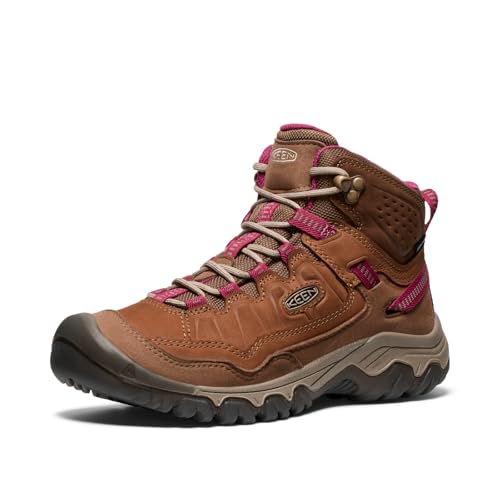
Boot manufacturers construct their footwear over three-dimensional foot molds known as lasts, which establish interior volume, arch contour, and toe box spread. Brands like KEEN are recognized for their generous toe box geometry, exemplified by an Original Fit design that allows natural metatarsal splay on rugged descents. In contrast, Merrell crafts footwear with a balanced athletic profile that secures the heel cup firmly while accommodating medium-volume arches. Choosing a brand whose manufacturing last mirrors your foot shape helps prevent painful friction hot spots and dorsal instep pinching.
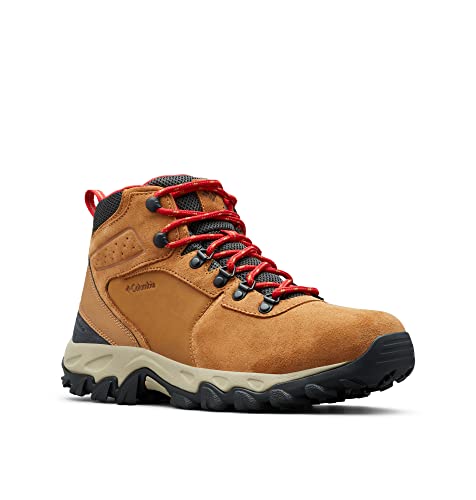
Hikers who have wide forefeet often experience painful compression along the outer metatarsal heads when wearing narrower boots. The broad forefoot platform found in KEEN models provides ample room for natural foot swelling during long days under warm conditions. Meanwhile, Columbia designs its Newton Ridge collection around a classic, medium-width profile that suits standard feet seeking dependable heel retention. Testing boots on an incline reveals whether the heel pocket anchors your foot securely or allows forward translation that forces toes into the front bumper.
Upper Material Durability: Leather Versus Synthetic Mesh
The choice of upper materials directly influences abrasion resistance, overall boot weight, and required break-in periods. Traditional boots, such as the Columbia Newton Ridge Plus series, incorporate durable leather and suede overlays that naturally resist trail abrasion from sharp rocks. Merrell blends pigskin leather with breathable mesh panels in the Moab 3 to achieve a hybrid balance of structural toughness and immediate flex. Synthetic meshes significantly lower overall weight on your feet, but dense leather remains the preferred barrier against abrasive trail debris.
Trail brush and sharp scree can quickly abrade unreinforced lightweight fabrics, leading to premature upper wear along flex creases. When navigating overgrown corridors where wearing long hiking pants on brushy trails shields your legs, robust leather uppers offer comparable protection for your feet. Suede and nubuck uppers require occasional brushing and conditioning to prevent fibers from drying out after repeated exposure to trail dust. Synthetic boots require less routine conditioning, making them an appealing option for hikers who prefer straightforward maintenance routines.
Waterproof Membranes and Trail Climate Management
Wet trail conditions demand effective moisture barriers that keep external water out while letting internal sweat vapor escape. Reputable footwear makers integrate specialized waterproof-breathable membranes, such as the KEEN.DRY system or seam-sealed bootie constructions found across Columbia waterproof models. These internal liners help prevent moisture penetration from shallow stream crossings, dewy grass, and sudden mountain showers. However, every membrane introduces a trade-off in warm environments, as sweat vapor moves more slowly through lined boots than open-weave mesh.
Water entry height is fundamentally constrained by the construction of the bellows tongue, where fabric gussets join the upper. Columbia and Merrell utilize gusseted tongue designs that block trail grit and water from pouring in around the lacing eyelets during stream crossings. If water overtops the collar during a deep crossing, lined boots dry substantially slower than unlined footwear. Hikers venturing into arid desert regions often prefer ventilated non-waterproof variations, whereas those tackling damp forests benefit from reliable membrane technology.
Underfoot Midsoles, Shanks, and Torsional Stability
The midsole serves as the primary shock absorber between your foot and the trail, directly impacting joint comfort over long distances. Columbia incorporates lightweight TECHLITE foam, designed to deliver high energy return and dependable cushioning without adding excess bulk underfoot. Merrell enhances stability in the Moab 3 by pairing lightweight EVA foam with an Air Cushion pocket in the heel to absorb landing shock. Meanwhile, NORTIV 8 utilizes flexible EVA and molded MD midsoles to soften foot landings and reduce lower-leg fatigue on moderate paths.
Underfoot fatigue often stems from inadequate torsional rigidity rather than a lack of soft cushioning foam. Rigid internal shanks, such as the molded nylon arch shank built into the Merrell Moab 3, prevent the boot from twisting excessively when stepping on uneven rocks. This torsional resistance protects the arch from over-flexing, especially when carrying trail packs over rocky terrain. Choosing footwear with supportive internal chassis components helps stabilize the foot structure and mitigates arch strain across steep inclines.
Outsole Traction Patterns and Rubber Compounds
Traction performance relies heavily on rubber chemistry and lug orientation to keep hikers upright across variable outdoor surfaces. Merrell equips the Moab 3 with a Vibram TC5+ rubber outsole, known for its balanced grip across dry granite and damp forest paths. Columbia relies on its Omni-GRIP non-marking rubber outsoles, incorporating dual-zone winter treads to assist with footing in cold conditions. In muddy terrain, multi-directional lug arrays with wide perimeter spacing prevent wet soil from packing into the tread and causing slippage.
Outsole durability also involves strategic lug profiles, including undercut heel brakes that dig into downhill dirt to control descent momentum. KEEN incorporates their KEEN.ALL-TERRAIN rubber compound on the Targhee 4 to supply elevated grip across mud and rocky trails. NORTIV 8 hiking boots utilize rugged rubber outsoles featuring multi-directional traction patterns designed for reliable responsiveness on loose dirt paths. Selecting an outsole compound that balances adhesion on wet rock with resistance to abrasive granite ensures steady trail footing throughout the hiking season.
Day Hiking Reliability: Merrell and KEEN
When evaluating established brand names, Merrell and KEEN consistently stand out for their dedicated trail-focused engineering. Merrell has earned widespread trust through the Moab platform, combining pigskin leather, recycled linings, protective rubber toe caps, and contoured footbeds. The Kinetic Fit ADVANCED removable insole in the Moab 3 cradles the heel cup and supports the midfoot, accommodating common aftermarket orthotic inserts. For hikers seeking a reliable mid-cut boot with moderate torsional stability and out-of-the-box comfort, Merrell remains a dependable benchmark.
KEEN maintains an equally dedicated following among hikers who prioritize durable forefoot space and rugged toe protection. The Targhee 4 Mid incorporates direct-attach sole construction, fusing the upper directly to the sole to reduce the chance of footwear separation over time. A prominent, high-abrasion rubber toe guard shields the front of the foot against painful impacts with hidden roots and loose trail talus. Combined with the removable Luftcell footbed and generous toe splay, KEEN provides reliable comfort for day hikers and backpackers with broader feet.
Accessible Versatility: Columbia and NORTIV 8
Not every outdoor excursion requires an expensive, heavy-duty mountain boot designed for multi-week alpine expeditions. Columbia bridges the gap between rugged utility and accessible performance through its widely popular Newton Ridge lineup. Featuring seam-sealed waterproof leather, reinforced toe and heel barriers, and responsive TECHLITE midsoles, Columbia delivers dependable trail protection at a sensible weight. Metal lacing hardware and supportive suede uppers ensure an adjustable, secure fit suitable for varied forest paths, local nature trails, and light backpacking.
NORTIV 8 offers practical, budget-conscious alternatives for casual hikers and weekend adventurers needing reliable basic trail footwear. Their waterproof lightweight hiking boots feature protective rubber toe caps, reinforced heel counters, and multi-directional rubber outsoles for stable footing on dirt. Removable cushioned insoles and flexible EVA midsoles keep foot fatigue manageable during day hikes and outdoor work. While these lightweight models may not match the torsional rigidity of premium backpacking boots, they serve as solid entry-level footwear for established trails.
Alternative Styles: Cestfini
Beyond traditional lace-up boots, specialized pull-on designs cater to hikers who prioritize rapid transitions and relaxed versatility. The Cestfini Outdoor Chelsea Hiking Boot features side elastic panels and rear pull tabs, allowing users to slip the footwear on and off effortlessly without adjusting laces. Crafted with waterproof leather uppers and slip-resistant rubber tread, this style transitions smoothly from short woodland strolls to casual daily wear. Slip-on ankle designs excel around base camp, cabin retreats, and light nature paths where aggressive ankle lock is not required.
Lace-free boots naturally offer less customizable ankle security compared to traditional mid-cut hiking footwear with locking metal hardware. Traditional lacing systems allow hikers to apply differential tension across the instep and upper collar to prevent heel lift on steep terrain. When planning technical outings in combination with dedicated trail hiking pants, fully adjustable lace-up boots remain the preferred choice for rocky ascents. However, pull-on styles provide a comfortable, protective solution for flat trails, post-hike lounging, and routine outdoor errands.
Sizing Principles and Downhill Clearances
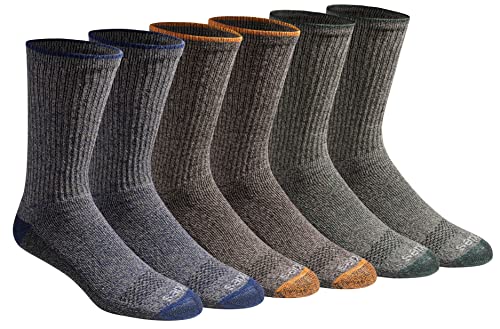
Finding the right brand name is only effective if you select the correct size and volume for your unique foot dimensions. Feet naturally swell over the course of a day and expand further when walking several miles with a loaded daypack. It is advisable to evaluate boot fit late in the afternoon while wearing the exact moisture-wicking hiking socks you plan to use on the trail. A proper fit provides roughly a finger-width of clearance behind the heel when your toes are pushed forward to touch the front bumper unlaced.
Downhill toe jamming remains one of the most common and painful trail complaints, frequently resulting in bruised toenails and blistered forefeet. To test clearance, unlace the boot, push your foot into position, lace up securely, and stomp downward on a downward-angled ramp or staircase. If your toes collide with the front of the toe box, your foot is sliding forward due to a loose instep or the boot is too short. Utilizing targeted lacing methods, such as a surgeon knot or heel-lock loop at the ankle bend, helps hold the calcaneus securely in the heel pocket.
Boot Care and Maintenance
Even the highest-quality footwear from top manufacturers will degrade prematurely if neglected after wet and muddy excursions. Dried mud acts as an abrasive desiccant, drawing natural oils out of leather uppers and grinding away at synthetic stitching along flex zones. After completing your hike, use a soft nylon brush and lukewarm water to remove caked mud from the upper materials and outsole treads. Always allow wet boots to air-dry slowly at room temperature, keeping them away from campfires, radiators, and direct heat sources that can weaken sole adhesives and cause leather cracking.
Over extended trail use, the factory durable water repellent coating applied to the outer leather and fabric will gradually wear off. When the outer material begins to absorb surface water rather than beading it up, the boot suffers from fabric saturation, which reduces breathability. Applying a specialized, water-based conditioning spray designed for waterproof membranes restores surface repellency and keeps leather supple without clogging microscopic pores. Regular cleaning and timely reproofing protect your footwear investment and ensure dependable performance across countless trail miles.
Ultimately, choosing a good brand name of hiking boots comes down to finding the precise match between manufacturer construction and your individual trail goals. Brands like Merrell and KEEN excel for hikers seeking proven trail platforms with specialized footbeds, Vibram rubber outsoles, and generous toe boxes. Meanwhile, Columbia and NORTIV 8 supply accessible, versatile options featuring dependable traction and lightweight EVA cushioning for casual woodland outings and budget-friendly day hikes. By focusing on anatomical last shape, underfoot shank stability, and appropriate weatherproofing, you can choose a footwear brand that keeps your feet protected and comfortable on every outdoor journey.


Write Your Review
No reviews yet. Be the first to share your experience!