


Heading out into the backcountry requires balancing thermal comfort, weather protection, and mobility. Many new adventurers wonder exactly what clothes do you need for hiking when transitioning from casual walking paths to unpredictable mountain terrain. Wearing standard street clothes often leads to damp fabrics, painful chafing, and rapid temperature drops once you stop moving. The right trail wardrobe relies on an adaptable clothing system designed to manage body heat during steep climbs and shield your skin from sudden wind or rain.
Instead of carrying a bulky wardrobe, experienced hikers rely on functional garments that dry quickly and layer together without restricting motion. Selecting the right technical bottoms is often a major decision point for beginners, and evaluating dedicated hiking pants shows how purpose-built trail garments offer stretch twill and reinforced pockets that outperform casual denim. From moisture-wicking thermal base layers to breathable tops and weather-resistant pants, assembling the correct trail kit keeps you safe and focused on the journey ahead.


The Essential Guide to Hiking Clothes and Trail Layering Systems
Determining what clothes do you need for hiking comes down to understanding how your body regulates heat in changing outdoor environments. Unlike urban settings where climate control is readily available, trails expose you to shifting wind speeds, sudden elevation changes, and variable precipitation. A successful hiking kit does not rely on a single heavy jacket or casual everyday apparel. Instead, it relies on a versatile system of moisture-managing base layers, insulating garments, protective pants, and weather-resistant outer shells that you can add or remove as conditions change.
The Mechanics of the Three-Part Trail Layering System
The foundation of all outdoor dressing is the classic three-part layering system. Each tier in this system performs a specific mechanical role to maintain a stable microclimate next to your skin. The primary base layer manages moisture by moving sweat away from your pores before it evaporates and cools your skin excessively. The middle insulating layer traps ambient body heat within dead air pockets while remaining permeable to vapor. Finally, the outer shell acts as an environmental barrier against driving rain, high winds, and snow.
Operating these three components effectively requires active management while you walk. Many hikers make the error of wearing their entire kit from the trailhead, causing rapid overheating and excessive perspiration within the first mile. A seasoned hiker sheds insulating pieces before starting a steep grade to avoid soaking inner garments. When pausing for trail snacks or reaching an exposed, windy ridge, putting that insulating layer back on preserves core temperature before shivering sets in.
Next-to-Skin Base Layers: Regulating Moisture and Core Temperature
Base layers sit directly against your skin and serve as the first line of defense against both overheating and rapid cooling. During high-output ascents, your body produces perspiration that must be wicked away through capillary action. Synthetic materials like polyester and nylon excel at this function because their fibers are naturally hydrophobic, meaning they absorb very little water and dry quickly. Merino wool options provide natural temperature regulation and odor control, making them a popular choice for cooler morning starts or shoulder-season hikes.
Fit is critical when choosing your base layer pieces. A loose top or bottom allows cool air to circulate beneath the fabric, which interrupts the wicking process and allows perspiration to pool on the skin. Garments such as the Ekouaer Thermal Underwear for Women Long Johns demonstrate how a snug cut paired with four-way stretch allows the fabric to hug the body without binding. The lightweight, breathable construction and flat elastic waistband provide smooth comfort under hiking pants or heavy backpack hip belts.
Similarly, thermal sets like the Ekouaer Thermal Underwear for Women Long Johns offer moderate thickness that functions well across cold-weather hiking and camp relaxation. A quality base layer should resist shrinking, retain elasticity across long miles, and incorporate flat seams that avoid pressure points beneath pack straps. Choosing thermal bottoms with reliable stretch ensures that your stride remains unrestricted during high-step trail scrambles. For multi-day trips, packing a clean spare base layer set provides essential dry comfort when you set up camp at dusk.
Active and Static Mid-Layers: Trapping Heat on the Move
Mid-layers provide thermal insulation by trapping warm air generated by your exertion inside their lofted fibers. Common mid-layer options include grid fleece sweaters, active synthetic jackets, and lightweight packable down puffies. Breathable grid fleeces work best as active insulation while climbing, because their open channels allow excess heat to vent before perspiration saturates the fabric. In contrast, lofty down jackets provide exceptional warmth-to-weight ratios when stationary, but they can quickly overheat a moving hiker on steep grades.
Synthetic fills like recycled polyester insulation offer distinct advantages when moisture is present. While untreated down clusters collapse and lose insulating capability when damp, synthetic insulation maintains much of its loft even in humid or misty environments. Hikers often carry a compact fleece for brisk morning ascents and reserve a packable puffy jacket inside their daypack for lunch stops or unexpected summit delays. Having modular insulation options lets you fine-tune warmth without carrying unnecessary bulk.
Outer Weather Shells: Defending Against Wind and Sustained Downpours
The outer shell represents your protective armor against hostile mountain elements. Even on clear summer mornings, high-elevation routes can suddenly generate severe rain squalls, high winds, and rapid temperature plummets. A reliable rain jacket should feature fully taped seams, an adjustable storm hood, and a durable water repellent coating that beads water off the surface fabric. Without a functional shell, cold rain saturates your mid-layers, leading to rapid conductive heat loss and increasing the danger of hypothermia.
Ventilation features are just as crucial as waterproof ratings when negotiating strenuous trail sections. Non-breathable rain slickers trap internal perspiration, leaving you just as wet from sweat on the inside as you would be from rain on the outside. Look for shells with mechanical pit zips and two-way front zippers that allow air exchange during active climbs. Carrying lightweight rain pants is also recommended when traversing alpine terrain, as wet trousers accelerate wind chill across your major leg muscles.
Hiking Pants and Bottoms: Durability, Pockets, and Trail Mobility
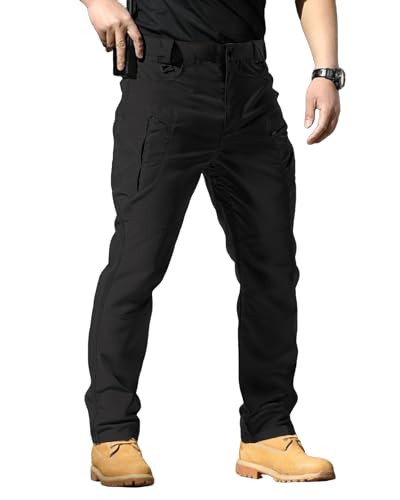
Trail bottoms endure continuous friction from brush, sharp rock edges, and repetitive leg movement. Traditional denim jeans absorb moisture and restrict high steps, making them completely impractical for trail use. Dedicated hiking pants utilize resilient woven fabrics with built-in stretch to accommodate steep ascents and uneven footing. Options such as the Wrangler Authentics Men’s Relaxed Fit Stretch cargo pants highlight how stretch twill fabric and a relaxed fit through the seat and thighs provide unrestricted movement during trail tasks.
Storage capacity and waist construction also play major roles in long-distance comfort. The multiple cargo flap pockets and slash pockets on the Wrangler pants offer secure organization for trail maps, a pocketknife, or small gear items without bulging awkwardly. Furthermore, a wide Hollywood waistband helps support the garment comfortably beneath a loaded backpack hip belt. Preventing waistband chafing is essential when carrying substantial pack weight over rocky, undulating trails.
When weighing trail protection against summer heat, wearing long pants on overgrown trails protects your lower legs from scratchy brush, ticks, and sun exposure. While some day hikers prefer lightweight running shorts for maximum airflow, long pants shield delicate skin during off-trail scrambles. Many hikers also opt for convertible pants with zip-off legs, giving them the flexibility to switch between shorts and trousers as temperatures fluctuate throughout the day. Whatever style you choose, look for reinforced stitching, gusseted crotches, and water-resistant finishes.
Trail Shirts and Tops: Balancing Sun Protection and Airflow
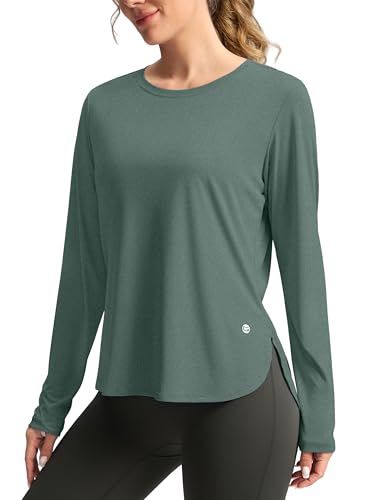
Your upper body clothing must strike a balance between thermal venting and environmental coverage. In sunny, open landscapes, long-sleeve sun hoodies crafted from ultralight polyester offer certified ultraviolet protection while preventing intense solar heat from burning exposed skin. Traditional button-up trail shirts with flip-up collars and roll-up sleeves also provide excellent mechanical airflow through back vents and mesh-lined chest pockets. These technical garments keep you cooler than going shirtless by deflecting direct radiation.
For short, casual afternoon outings in warm weather, casual graphic options like the Cool Hiking Design for Men Women Hiking Lover t-shirt offer a relaxed silhouette and comfortable everyday styling. While classic cotton-blend novelty shirts work fine for easy, well-maintained park loops, long backcountry trips demand quick-drying synthetics or lightweight merino knits. Choosing a trail top with flatlock seams across the shoulders prevents abrasive friction from heavy backpack straps. A well-designed hiking shirt keeps you comfortable across dozens of trail miles without riding up or binding around your underarms.
Footwear and Technical Socks: Preventing Friction and Blisters
Footwear represents the critical contact point between your body and the terrain, making sock selection just as important as your trail shoes. Low-quality athletic socks made of cotton absorb foot sweat, bunch up inside your footwear, and create intense friction points that rapidly lead to debilitating blisters. Technical hiking socks made from merino wool or high-density synthetic blends wick moisture away from your soles and cushion high-impact zones under the heel and ball of the foot. Merino fibers also provide natural antimicrobial properties, keeping foot odor manageable on multi-day journeys.
Matching sock thickness to your hiking shoe and seasonal climate is equally important for avoiding hot spots. In warm weather, lightweight or micro-cushioned quarter socks provide ventilation while preventing gravel from entering your trail runners. For colder shoulder seasons and rugged mountain routes, medium-cushion crew socks offer thermal insulation and extra padding against stiff boot collars. Always carry a dry spare pair of socks in a waterproof bag inside your pack. Changing into fresh socks halfway through a grueling hike can instantly refresh tired feet and prevent friction damage.
Trail Accessories and Protecting Sensitive Equipment
Accessories complete your hiking apparel kit by covering vulnerable transition zones that larger garments leave exposed. A wide-brimmed sun hat or breathable baseball cap shields your scalp, face, and neck from harsh ultraviolet rays. Lightweight buff-style neck gaiters provide versatile utility, transforming easily from sun neck guards into dust masks or ear warmers during chilly wind gusts. In cooler mountain weather, carrying lightweight fleece gloves and a low-profile beanie inside your daypack ensures your extremities remain functional when the temperature suddenly drops.
Caring for sensitive gear inside your pack is another critical element of trail preparation. When carrying delicate optics, electronics, or lenses without a heavily padded camera bag, the GCJUYA Camera Wrap, Protective Wrap Anti-Scratch offers practical versatility. This lightweight magic self-adhesive cloth uses nano-technical polymer material to wrap securely around items, shielding them from scuffs, bumps, and abrasive pack contents without adding unnecessary weight to your load. Keeping small accessories and electronic essentials secure lets you move through rough terrain with total confidence.
The Science Behind Avoiding Cotton on the Trail
The outdoor community frequently repeats the warning that cotton fails on the trail, and the underlying textile science explains why. Cotton fibers are hydrophilic, meaning they absorb and hold up to twenty-seven times their dry weight in moisture. When you sweat or get caught in a rain shower, a cotton shirt traps that water directly against your skin, collapsing the garment’s air pockets and completely destroying its insulating properties. As wind blows across the damp fabric, evaporative heat loss pulls thermal energy from your body at a rapid rate.
This rapid cooling effect can quickly become dangerous, even in seemingly mild ambient temperatures between forty and fifty degrees Fahrenheit. Synthetic fibers like polyester and nylon, in contrast, absorb less than one percent of their weight in moisture, allowing body heat to drive water vapor outward. Merino wool absorbs moisture within the core of its fibers while leaving the surface relatively dry, maintaining thermal resistance even when damp. Leaving cotton socks, jeans, and hoodies at home is one of the most effective safety rules you can follow when exploring wilderness trails.
Adapting Your Clothing Kit to Seasons and Trip Duration
Seasonal weather patterns and trip length should dictate exactly what you pack in your trail clothing system. Summer day hikes require minimal insulation, prioritizing high-ventilation tops, certified sun hats, and lightweight stretch shorts or pants. However, alpine terrain always warrants packing a windproof shell and a compact mid-layer, as afternoon thunderstorms frequently trigger rapid temperature swings. For autumn and early spring outings, adding a reliable base layer top and bottom ensures you remain comfortable as frost lingers in shady canyons.
If you are organizing gear for extended wilderness travel, consulting a multi-day backpacking packing checklist ensures you pack sufficient spare base layers without overloading your pack weight. Multi-day trips require a dedicated dry set of thermal sleepwear kept in a waterproof stuff sack, guaranteeing that you always have warm garments when resting inside your shelter. By assembling modular clothing pieces that work in harmony, you can comfortably handle shifting weather, challenging climbs, and miles of rugged trail scenery.
Carefully selecting your hiking garments transforms your outdoor experience from an uncomfortable endurance test into an enjoyable, rewarding journey. Prioritize moisture-wicking synthetic and wool fabrics, choose bottoms with functional stretch and pocket access, and always carry reliable outer protection against wind and precipitation. Before stepping onto the trail, review your route conditions and stage your layers so you can adapt swiftly to whatever the mountain environment delivers.


Write Your Review
No reviews yet. Be the first to share your experience!