


Yes, nordic walking can support weight loss efforts by increasing upper body engagement and overall energy expenditure compared to standard walking. The specific mechanism involves using poles to drive the arms, which activates the shoulders, chest, and back muscles in addition to the legs. This dual-limb engagement creates a more comprehensive cardiovascular workout that may help burn more calories per minute than walking without poles. However, the effectiveness depends heavily on proper technique, consistent frequency, and individual metabolic factors rather than the equipment alone.
Many users find that the added resistance from the poles helps maintain a steady pace, which is crucial for sustained aerobic activity. The York Nordic Motivator Walking Poles for Balance and similar options listed below are designed with ergonomic grips that reduce hand strain during these extended sessions. Proper form ensures that the energy transfer is efficient, maximizing the physical benefit of each step. While no single piece of equipment guarantees weight loss, integrating a structured pole-walking routine into a balanced lifestyle can contribute to gradual, sustainable changes in body composition.


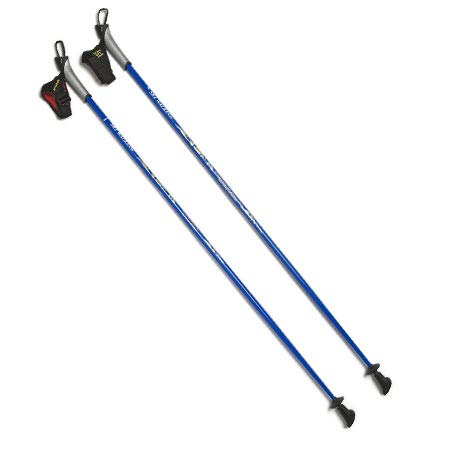

Is Nordic Walking Good for Weight Loss?
The direct answer is that nordic walking increases metabolic demand by recruiting upper body muscle groups that remain relatively passive during standard walking. This additional muscular activation raises the total calories burned per minute, making it a more efficient aerobic exercise for many individuals. The extent of this increase varies based on the intensity of the arm drive, the weight of the poles, and the user’s fitness level. It is not a magic solution, but a potent tool for enhancing the caloric deficit required for weight management.
| Pole Type | Weight Range | Primary Benefit for Weight Loss | Best For |
|---|---|---|---|
| Adjustable Aluminum | Lightweight | Easy height adjustment for proper posture | Beginners, variable terrain |
| Fixed Length Carbon | Ultra-light | Minimal fatigue, high stability | Advanced users, long distances |
| Telescopic Trekking | Lightweight | Portability, shock absorption | Travel, mixed surfaces |
Understanding how the poles interact with your gait is essential for maximizing this benefit. The motion should be fluid, with the poles planting behind you as the opposite leg steps forward. This creates a pendulum effect that drives the arms and engages the core. If the technique is sloppy, the poles may simply drag, reducing the upper body contribution and diminishing the caloric advantage. Proper alignment ensures that the work is distributed across the entire kinetic chain, from the feet to the fingertips.
To ensure you are getting the most out of your sessions, consider these key technical points that enhance the weight-loss potential of the activity:
- Keep elbows bent at approximately 90 degrees to maintain effective arm drive.
- Plant the pole tips slightly behind the heel of the opposite foot.
- Engage the core to stabilize the torso during the pushing motion.
- Maintain a relaxed grip to prevent hand fatigue and allow natural swing.
- Focus on a steady, rhythmic cadence to sustain aerobic intensity.
Caloric Expenditure and Metabolic Impact
The primary mechanism for weight loss is the creation of a caloric deficit, where the body burns more energy than it consumes. Nordic walking elevates heart rate and respiratory rate more significantly than walking alone because of the additional muscular workload. This increased oxygen consumption translates to higher energy expenditure.
While specific numbers vary by individual, the general consensus is that pole walking burns more calories per minute than unassisted walking at the same speed. The added resistance acts similarly to light strength training, increasing the afterburn effect or excess post-exercise oxygen consumption (EPOC).
For individuals looking to lose weight, consistency is more important than intensity. A moderate session of 30 to 45 minutes, performed several times a week, can create a significant weekly calorie deficit. The low-impact nature of walking makes it accessible for a wider range of fitness levels, including those with joint issues that might preclude high-impact cardio like running. The poles provide support and stability, allowing users to maintain a faster pace without increasing the risk of injury. This makes it a sustainable long-term strategy for weight management.
A closely related question is covered in how to do nordic pole walking, which may help alongside this section.
Upper Body Engagement and Muscle Activation
Unlike standard walking, which primarily targets the lower body, nordic walking activates the deltoids, pectorals, latissimus dorsi, and triceps. This comprehensive muscle recruitment increases the total mass of tissue working during the activity. Since muscle tissue is metabolically active, engaging more muscle groups contributes to higher overall energy use. The arm drive also helps engage the core muscles, which are crucial for maintaining posture and stability. This full-body approach makes nordic walking a more efficient use of time for those with limited schedules.
The ergonomic design of modern poles, such as those with contoured grips, helps facilitate this engagement by reducing hand strain. A secure grip allows for a more forceful push without causing discomfort or fatigue in the hands and wrists. This is particularly important for longer sessions where maintaining proper form is critical. If the grip becomes uncomfortable, users may subconsciously reduce their arm drive, thereby diminishing the metabolic benefits. Choosing poles that fit your hand size and preference can make a noticeable difference in performance and comfort.
A closely related question is covered in where to buy nordic walking poles, which may help alongside this section.
Technique for Maximizing Energy Burn
Proper technique is the single most important factor in determining the effectiveness of nordic walking for weight loss. The poles should be adjusted to the correct height, typically so that the elbow is bent at a 90-degree angle when holding the handle.
This position allows for maximum leverage and power transfer from the arm to the pole. The planting of the pole should be firm and controlled, providing a stable base for the push-off. A smooth, continuous motion is more effective than jerky or inconsistent movements, which can lead to fatigue and reduced efficiency.
Beginners should start with shorter sessions and gradually increase duration and intensity. It is important to listen to your body and avoid overexertion, especially in the early stages. The goal is to establish a sustainable routine that can be maintained over months and years. Incorporating intervals, such as alternating between a steady pace and a faster push, can further increase the caloric burn and improve cardiovascular fitness. This variety also keeps the routine engaging and prevents boredom, which is a common barrier to long-term adherence.
Here are some practical tips to refine your technique and boost your results:
- Adjust pole length so elbows are at 90 degrees when gripping.
- Push the pole down and back as the opposite leg steps forward.
- Keep the upper body upright to maintain efficient breathing.
- Use a relaxed wrist to allow natural pole rotation.
- Incorporate short bursts of higher intensity to increase calorie burn.
For more on a connected point, our page on what is nordic walking exercise goes into it separately.
Choosing the Right Poles for Your Goals
The type of pole you choose can influence your comfort and performance, which in turn affects your ability to stick with the program. Adjustable aluminum poles are a popular choice for beginners because they can be fine-tuned to your exact height and preference. They are generally durable and affordable, making them a practical starting point. Fixed-length carbon fiber poles are lighter and more responsive, which can be beneficial for advanced users who prioritize speed and efficiency. The lighter weight reduces fatigue over long distances, allowing for higher intensity sessions.
Telescopic poles offer the advantage of portability, making them ideal for travelers or those who need to store equipment in tight spaces. They are often equipped with shock-absorbing systems that reduce impact on the joints, which can be helpful for users with sensitive knees or hips.
The choice between these types depends on your specific needs and environment. If you plan to walk on varied terrain, poles with durable tips and baskets are essential for traction and stability. Always check the weight capacity of the poles to ensure they can support your body weight and the forces generated during the arm drive.
Safety and Joint Considerations
While nordic walking is generally low-impact, it is important to approach it with proper care to avoid injury. The increased upper body engagement places new demands on the shoulders, elbows, and wrists. Users with existing joint issues in these areas should start slowly and consult with a healthcare professional if they experience pain.
Proper warm-up and cool-down routines can help prepare the muscles and joints for activity and aid in recovery afterward. Staying hydrated is also crucial, especially during longer sessions or in hot weather, to maintain performance and prevent fatigue.
The stability provided by the poles can be a significant safety benefit, particularly on uneven or slippery surfaces. This added support can boost confidence and reduce the risk of falls, making it an attractive option for older adults or those with balance concerns. However, it is important to use the poles correctly to maximize this benefit.
Improper technique can actually increase the risk of injury by placing undue stress on the joints. Taking a class or watching instructional videos can help ensure that you are using the proper form. As with any new exercise, it is best to start gradually and increase intensity over time.
Integrating Nordic Walking into a Weight Loss Plan
For weight loss to occur, the caloric deficit created by exercise must be combined with a balanced diet. Nordic walking can be a key component of this plan, providing a enjoyable and sustainable way to burn calories. It is important to track your progress and adjust your routine as needed.
If weight loss stalls, consider increasing the duration or intensity of your sessions, or incorporating other forms of exercise. The key is to find a balance that works for your lifestyle and preferences. Consistency is the most important factor, and nordic walking’s low barrier to entry makes it easy to maintain.
Many people find that the social aspect of nordic walking clubs or group walks helps with motivation and accountability. Walking with others can make the activity more enjoyable and encourage you to stick with your routine. The sense of community can also provide support and encouragement during challenging times.
Whether you walk alone or in a group, the goal is to make nordic walking a regular part of your week. By combining proper technique, the right equipment, and a consistent schedule, you can maximize the benefits of this versatile exercise for your weight loss goals.
Ultimately, the success of nordic walking for weight loss depends on your commitment to the process. It is a tool, not a cure-all, but when used correctly, it can be a powerful asset in your health journey. Focus on the long-term benefits, such as improved cardiovascular health, increased muscle tone, and enhanced mood.
These positive changes will support your weight loss efforts and contribute to an overall healthier lifestyle. Start with what you have, learn the proper technique, and gradually build your routine. The journey to better health is a marathon, not a sprint, and nordic walking can help you keep moving forward, one step at a time.
For more on a connected point, our page on what is nordic walking good for goes into it separately.





Write Your Review
No reviews yet. Be the first to share your experience!