


Standing on an exposed ridgeline as autumn gusts cut across the trail often tests the limits of ultralight gear. Hikers frequently ask whether Are Packable Down Jackets Warm can truly replace bulky winter outerwear when the temperature plunges. The short answer is yes, provided you understand the balance between loft, wind protection, and strategic layering. Lightweight puffers trap ambient body warmth inside tiny air pockets, providing an impressive warmth-to-weight ratio that easily stows inside a daypack without adding unnecessary bulk.
The challenge lies in balancing active movement with stationary breaks around camp. While high-output uphill trekking generates plenty of internal heat, stopping at a windy overlook quickly causes post-ascent shivering if your core insulation lacks wind resistance or thermal loft. Integrating a packable puffer into your complete backpacking packing checklist allows you to deploy instant warmth during summit rests or brisk morning starts. Understanding how down fill, synthetic alternatives, baffle construction, and shell fabrics function helps you choose the right piece for unpredictable mountain conditions.


The Mechanics of Packable Jacket Warmth: Insulation, Loft, and Trail Performance
Packable insulated jackets deliver substantial warmth relative to their minimal weight because they create a protective barrier of dead air around your core. The primary function of any puffy jacket is not to generate heat on its own, but rather to trap the thermal energy your body naturally produces during activity. When cold alpine air circulates around you, an insulated jacket prevents convective heat loss by maintaining a warm microclimate next to your base layers. Understanding whether a packable jacket provides enough warmth depends on the type of insulation inside, how the baffles are constructed, and how well the exterior fabric stops wind from blowing through the seams.
Hikers frequently debate whether an ultralight, packable option can hold up against heavier cold-weather coats. While a bulky parka offers heavy fill for arctic conditions, a lightweight packable jacket offers functional versatility across three distinct seasons. By focusing on smart garment design, high loft materials, and proper draft control, these compact jackets provide dependable warmth for brisk summits, chilly morning trailheads, and cool evening camps.
How Loft Traps Heat: The Physics Behind Packable Insulation
Thermal insulation relies on creating millions of microscopic air pockets that slow down conductive heat transfer. Both natural down plumes and synthetic fibrous clusters expand after being compressed, capturing still air that your body warms. Because air is a poor conductor of heat, this trapped layer acts as a buffer between your skin and frigid ambient temperatures. If a jacket loses its loft, the trapped air volume decreases, which significantly reduces the garment’s overall insulating capacity.
The main advantage of packable designs is their ability to bounce back after hours inside a stuff sack. When you unpack your jacket at an exposed viewpoint, the fill must quickly expand to its original thickness to trap heat effectively. Maintaining that loft over time requires resilient insulation that resists fiber crushing during transit. Garments designed for backcountry use prioritize materials that fluff up immediately, ensuring you never face lingering cold spots while resting.
Natural Duck Down Versus Synthetic Fill: Thermal Differences on Trail
Natural duck down remains the benchmark for warmth-to-weight efficiency because of its unique three-dimensional plume structure. Pieces like the CAMEL CROWN Women’s Down Jackets Lightweight utilize warm duck-down filler to achieve significant warmth without adding bulky weight to your pack. Down clusters compress into remarkably small packages and instantly rebound when shaken out, providing superior thermal efficiency per ounce. However, down requires careful protection from moisture, as saturated plumage clumps together and forfeits its insulating dead-air pockets.
Synthetic insulation solves the moisture problem by using engineered polyester fibers that maintain structure even when damp. The CANADA WEATHER GEAR Womens Puffer Jacket incorporates Glacier Shield insulation, an advanced thermal fill engineered to trap body heat while retaining loft through repeated packing and unpacking cycles. Similarly, the Outdoor Ventures Women’s Packable Lightweight utilizes high-tech insulation designed to block cold air and hold core warmth in damp or variable conditions. While synthetic fill can be slightly heavier than natural down for the same warmth value, it offers unmatched reliability when hiking through drizzle, snow flurries, or high-humidity environments.
Quilted Baffles and Stitching: Balancing Compression and Cold Spots
Baffle construction dictates how insulation stays distributed across the torso, shoulders, and sleeves. Most lightweight packable jackets utilize sewn-through quilting, where the outer shell and inner lining are stitched directly together to form narrow channels. This method minimizes garment weight and keeps packing volume small by eliminating the need for interior mesh baffle walls. Products such as the Amazon Essentials Women’s Lightweight Long-Sleeve rely on classic quilted channels to keep the insulation evenly distributed across the body without shifting into clumps.
The trade-off with sewn-through baffles is the potential for minor cold spots along the stitch lines. Because there is no insulation directly beneath the thread, strong crosswinds can press cold air against the seams. Structured baffles, like those featured on the CANADA WEATHER GEAR jacket, help maintain consistent fill across high-exposure zones like the chest and shoulders. For optimal warmth on windy ridgelines, pairing a quilted jacket beneath a windproof outer layer prevents cold air from penetrating the stitch lines.
Shell Fabrics and Wind Resistance: Protecting the Warm Microclimate
An insulated jacket is only as warm as its shell fabric allows it to be when wind picks up on the trail. If the face fabric is too porous, brisk mountain gusts will blow straight through the baffles, stripping away the trapped warm air. Durable plain-weave nylon, used in solid colors of the Amazon Essentials jacket, provides an effective barrier that resists wind penetration while maintaining tear resistance. Nylon fibers offer higher tensile strength per weight than standard polyester, allowing manufacturers to use lightweight weaves that remain durable against routine trail wear.
Exterior fabrics also feature water-resistant treatments to shed light rain and melting snow flurries. Both CAMEL CROWN and Outdoor Ventures incorporate water-resistant outer shells with quilted stitching to prevent superficial moisture from soaking the internal insulation. If rain saturates the face fabric, evaporative cooling rapidly pulls heat away from your core. While a water-resistant puffer works well in intermittent drizzles or dry snow, sustained downpours always call for a dedicated waterproof hardshell worn over your insulation.
Realistic Temperature Thresholds: When Packable Jackets Perform Best
Lightweight packable puffers are generally engineered to perform as standalone outerwear in moderate temperatures ranging between 40 and 55 degrees Fahrenheit. During active hiking in cool weather, your body generates substantial wattage, often making a light puffer comfortable even as temperatures hover near freezing. However, once you drop your backpack and transition to stationary rest, your metabolic heat output drops dramatically. In those stationary moments, a lightweight packable jacket provides reliable core insulation for cool shoulder-season afternoons but may need supplemental layers in sub-freezing air.
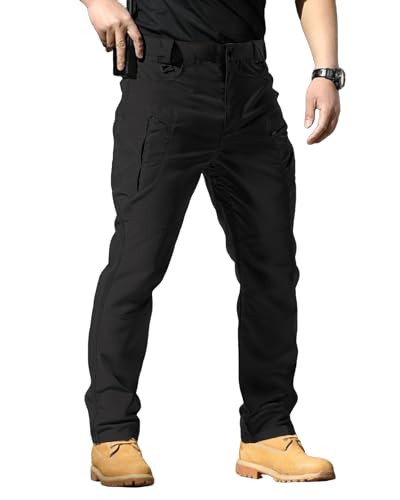
Hikers also need to consider lower-body protection when managing overall core temperature. Pairing your upper-body puffer with appropriate pants is essential, and our guide on wearing long pants on trail details how covering your legs prevents excessive heat loss in freezing drafts. When temperatures drop below freezing, lightweight packable jackets transition seamlessly into high-efficiency mid-layers. Their slim profile fits comfortably underneath heavy winter parkas or waterproof shells, trapping warm air without restricting arm movement.
The Layering Equation: Pairing Puffers with Base Layers and Shells
A technical layering system relies on three synchronized tiers: a moisture-wicking base layer, an insulating mid-layer, and a protective outer shell. Packable puffers serve as the primary thermal insulation piece within this system, trapping air right above your moisture-wicking top. Wearing a synthetic or merino wool base layer underneath keeps sweat moving away from your skin, ensuring that damp perspiration never compromises the jacket’s interior lining. If sweat accumulates inside the puffy, conductive heat loss accelerates, leading to rapid post-hike chills.
Outer shells complete the weather barrier by sealing out driving precipitation and freezing winds. Because packable puffers are designed with streamlined cuts, they fit smoothly under technical rain shells without compressing the insulation baffles. Compressing the loft underneath an overly tight hardshell squashes the trapped air pockets, defeating the jacket’s primary insulating mechanism. Choosing a regular fit, such as the comfortable cut found on the Amazon Essentials lightweight puffer, leaves ample room for base layers underneath while fitting cleanly beneath storm shells.
Packability, Compression Recovery, and Long-Term Loft Care
The ability to compress an insulated jacket into its own pocket or a compact stuff pouch transforms how hikers manage pack space. The Outdoor Ventures jacket conveniently folds directly into its left side pocket, creating a self-contained zippered pouch, while also supplying an alternate drawstring bag. CAMEL CROWN and CANADA WEATHER GEAR both include dedicated matching stuff sacks that compress the jacket down to the size of a water bottle. When planning your gear layout with a compact daypack capacity, having an insulation layer that compresses so neatly ensures plenty of room remains for water, navigation tools, and first-aid gear.
Repeated compression requires careful maintenance to preserve long-term insulation loft and resilience. Leaving your packable jacket tightly compressed inside its stuff sack between trips will gradually crush the fill fibers, diminishing its ability to rebound. Always store your puffer uncompressed on a wide hanger or inside a breathable storage bin when you return from the backcountry. If your down jacket begins to lose volume after multiple washings, tumbling it on low heat with clean dryer balls will fluff the clusters and restore full dead-air capacity.
Trail Features That Prevent Drafts: Hoods, Cuffs, and Hem Seals
Minor design details have an outsized impact on how warm a packable jacket feels in windy backcountry conditions. Cold air naturally exploits loose garment openings, entering through wide cuffs, loose waistbands, and unsealed necklines. The Outdoor Ventures and CAMEL CROWN jackets address this by integrating insulated hoods and elastic sleeve cuffs that hug the wrists to lock out chilling drafts. Outdoor Ventures also adds a soft zipper garage at the chin, preventing cold metal zipper pulls from irritating sensitive skin during brisk morning hikes.
Hem adjustability and collar structures provide customizable thermal control as conditions change. The stand collar on the Amazon Essentials jacket provides clean neck coverage when you prefer a hoodless profile for easier layering under hooded rain shells. CAMEL CROWN includes an adjustable hem cord that cinches tight against your hips, stopping updrafts from blowing beneath the jacket during steep ascents. High-contrast zipper pulls, like those on the CANADA WEATHER GEAR coat, make it easy to vent or seal the jacket while wearing thick trail gloves.
Practical Trail Decisions: Matching Fill and Design to Your Route
Selecting the right packable jacket requires weighing the specific weather patterns, moisture exposure, and duration of your planned hike. If your route involves crisp, dry alpine air where maximum packability and ultralight weight are paramount, natural duck-down models provide superior thermal performance per ounce. For routes with frequent maritime fog, shoulder-season sleet, or wet brush, advanced synthetic insulation provides reliable warmth that does not collapse under moisture. Evaluating the climate of your destination ensures you pack an insulation layer capable of handling sudden mountain temperature drops.
Pocket architecture and mobility also factor into long-term trail comfort. The CAMEL CROWN jacket features a comprehensive pocket layout with one exterior chest pocket, two hand pockets, and two interior drop pockets for securely storing trail essentials like phones, maps, and gloves. Outdoor Ventures also prioritizes quick access with zippered hand and chest pockets to keep small essentials warm against your core. Choosing a jacket with accessible pockets and reliable weather resistance ensures you stay organized, protected, and warm across diverse wilderness environments.
Packable down and synthetic puffers offer an outstanding balance of warmth, packability, and trail versatility when deployed within a thoughtful layering system. While they are not intended to replace heavy expedition parkas in sub-zero blizzards, their ability to trap body heat in cool to cold conditions makes them indispensable backcountry apparel. By matching your insulation choice to anticipated humidity and sealing out drafts with proper cuffs and hoods, you can confidently pack light without compromising your safety or warmth on the trail.


Write Your Review
No reviews yet. Be the first to share your experience!