


Stepping out onto a frosty ridgeline in early morning mist often forces hikers to make a quick clothing choice between heavy bulk and agile movement. Bulky winter parkas trap plenty of thermal energy, but their sheer weight and rigid volume quickly lead to overheating and excess perspiration during steep uphill climbs. Many outdoor enthusiasts wonder whether are thin puffer jackets warm enough to handle sudden temperature dips without taking up excessive pack room. A lightweight insulated garment built with synthetic fill or compressible down can trap vital body heat while maintaining the compact packability required on demanding backcountry routes.
Understanding how low-bulk insulation interacts with variable wind speeds, resting sweat, and shifting elevations helps hikers build an efficient three-part layering system. Pairing a packable puffy with a moisture-wicking base layer provides reliable comfort around camp without adding dead weight to your multi-day backpacking gear checklist. When cool autumn gusts sweep across open summits, knowing the specific thermal limits of a low-profile quilted coat ensures you stay comfortable, safe, and ready for whatever terrain lies ahead.

Thermal Performance, Layering Mechanics, and Trail Utility of Thin Puffer Jackets
Thin puffer jackets provide a surprising amount of thermal efficiency by using low-profile quilted insulation to trap radiant body heat within micro-air pockets. While their slim silhouettes might look too delicate for serious cold, their streamlined construction serves a distinct tactical purpose on dynamic hiking trails. Knowing how these lightweight garments function allows hikers to stay comfortably warm across shifting elevations without hauling unnecessary gear.
How Thin Puffer Jackets Generate and Retain Body Warmth
Insulation in technical outerwear does not actually create heat on its own. Instead, garments rely on the thermal energy radiating from your core, capturing that warmth within tiny air gaps created by synthetic batting or down plumage. A thin puffer uses closely spaced quilted baffles that stabilize this insulating fill, preventing internal shifting while keeping dead air trapped directly against your torso. Because still air possesses exceptionally low thermal conductivity, this thin barrier dramatically reduces conductive heat loss to the surrounding atmosphere.
The low-profile architecture of a thin puffer jacket also minimizes excess interior air volume. Heavy, oversized winter parkas contain large pockets of empty air that require extensive metabolic energy to warm up, often leaving chilly dead spots around your sides. In contrast, a well-tailored thin jacket sits close to the body, accelerating the warming process as soon as you zip the front closure. This design helps maintain thermal equilibrium during moderate outdoor activity, ensuring your body expends less energy simply fighting off exterior drafts.
Understanding Temperature Ranges and Seasonal Trail Thresholds
Field performance for thin quilted outerwear depends heavily on ambient outdoor temperatures and personal exertion levels. During active day hikes with temperatures hovering between 45 degrees and 60 degrees Fahrenheit, a thin puffer serves as an outstanding standalone outer layer over a technical shirt. The garment cuts brisk morning breezes while providing just enough insulation to keep your muscles warm without triggering heavy perspiration. Hikers frequently find that this moderate warmth window represents the sweet spot for lightweight quilted apparel.
When temperatures plunge below 40 degrees Fahrenheit, a thin puffer begins to reach its functional limit as a standalone coat. During stationary moments, such as cooking at camp or resting at a windy overlook, low-bulk insulation cannot fully counteract the rapid convective cooling caused by sub-freezing gusts. In those colder mountain environments, thin puffers transition into mid-layer duty beneath a heavy shell or alongside an active fleece. Recognizing these environmental boundaries prevents unexpected shivering when trail conditions suddenly turn frigid.
Synthetic Insulation Versus Down in Lightweight Quilted Outerwear
Lightweight puffers generally utilize either natural down clusters or engineered synthetic polyester filaments to establish their loft. Natural down offers exceptional warmth for its physical weight, compressing down to minute dimensions inside a backpack. However, down fibers rapidly collapse when exposed to moisture from persistent rain or heavy trail sweat, completely losing their ability to trap insulating air. Once natural clusters get soaked, drying them out in backcountry conditions can take days.
Synthetic insulation offers a far more forgiving alternative for damp, unpredictable shoulder seasons. Modern polyester batting consists of hydrophobic fibers that naturally resist moisture absorption, maintaining structural loft even when exposed to high humidity or light trail mist. While synthetic fill might pack down slightly larger than high-fill-power down, its ability to retain warmth while damp makes it exceptionally reliable for active hikers. This synthetic resilience gives outdoor enthusiasts peace of mind when crossing humid river valleys or navigating foggy mountain passes.
The Role of Shell Fabrics: Nylon Plain Weave Versus Polyester Weaves
The outer fabric of a thin puffer serves as the first defensive barrier against abrasive elements and brisk winds. Many quality lightweight designs, such as the solid color options found in the Amazon Essentials Women’s Lightweight Long-Sleeve, utilize a durable 100% nylon plain weave shell. Nylon provides impressive tensile strength and natural abrasion resistance, which helps protect the delicate quilting from thorny brush and rough granite surfaces. This tightly woven structure also blocks mild wind penetration, preserving the warm air trapped within the internal baffles.
Printed and neon variations of lightweight jackets often incorporate 100% polyester shell fabrics instead of nylon. Polyester excels at holding rich color dyes and provides dependable resistance to ultraviolet sunlight degradation during long days at high elevation. While polyester weave structures may offer slightly different hand feels compared to plain weave nylon, both materials provide a smooth exterior that glides effortlessly beneath heavier rain shells. Selecting the right shell fabric depends on whether you prioritize maximum scuff resistance or specific aesthetic preferences for your hiking kit.
Integrating Thin Puffers into a Three-Part Backcountry Layering System
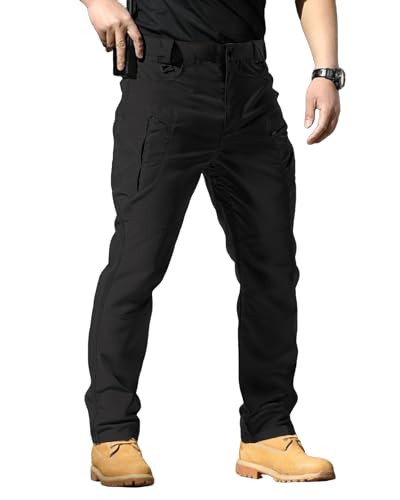
Mastering technical layering transforms a thin puffer from a simple autumn jacket into a versatile year-round mountain tool. The traditional outdoor system combines a moisture-wicking synthetic or merino wool base layer, a thermal mid-layer, and an impermeable waterproof shell. A thin puffer functions brilliantly as an insulating mid-layer because its slim profile fits smoothly under weather-protective hardshells without bunching up under the arms. This versatility mirrors the thoughtful approach required when investing in dedicated hiking pants, where modular comfort and functional mobility remain paramount.
Layering also prevents the dangerous moisture buildup that occurs when hikers push hard up steep switchbacks. If you wear an overly thick jacket during sustained uphill climbs, your body quickly sweats out the interior, dampening inner garments and setting the stage for post-ascent hypothermia. Wearing a thin puffer allows you to vent easily by sliding the front zipper down or packing the coat away until you reach the summit. Once you stop moving in the exposed alpine air, slipping the jacket back on captures residual warmth before your core begins to chill.
Fit Architecture and Thermal Efficiency: Room for Movement Without Cold Drafts
Garment cut plays a decisive role in determining whether a thin puffer jacket feels pleasantly warm or uncomfortably drafty. A regular fit designed with proportional clearance through the chest, waist, and hips allows the internal insulation to loft fully without stretching seams tight. If a jacket fits too tightly across the shoulders, the synthetic fill gets compressed flat, eliminating the tiny air pockets necessary for heat retention. Conversely, an excessively loose silhouette permits cold ambient air to circulate freely around your midsection, purging trapped warmth with every step.
Critical perimeter details help seal warmth inside the jacket during blustery hikes. Stand-up collars wrap snugly around the neck to block chilly drafts from cascading down your spine when the wind picks up. Elastic cuffs around the wrists serve an equally vital purpose by hugging the forearms, preventing cold gusts from entering the sleeves when reaching for trekking poles. Features like zippered hand pockets and flattering contour seams provide functional utility while keeping the jacket positioned comfortably against the body.
Weather Resistance Realities: Light Moisture Protection Versus Heavy Downpours
Most thin puffer jackets feature a water-resistant finish that repels brief drizzles and light snowfall on the trail. A durable water-repellent surface treatment encourages moisture to form tight beads on the plain weave face fabric and roll away harmlessly. This protective surface allows hikers to walk through light morning mist or damp forest canopies without immediately dampening the internal insulation. For quick transitional showers, this basic moisture defense provides adequate time to assess changing conditions.
Hikers must never mistake water resistance for true waterproof protection during sustained wilderness downpours. The stitched seams that form the quilted baffles contain microscopic needle holes that will inevitably allow water to seep inward during heavy rain. If persistent moisture saturates the outer fabric, the face material will wet out, cooling your core rapidly through conductive heat transfer. When serious rain storms roll into the backcountry, you must always deploy a fully seam-taped waterproof rain shell directly over your thin puffer to stay safe and dry.
Packability, Trail Weight, and Backcountry Utility
Low pack volume represents one of the greatest advantages of carrying a low-bulk quilted coat on extended excursions. Models designed with compressible insulation pack easily into an included compact drawstring bag, taking up minimal room inside a standard daypack. This compact footprint encourages hikers to bring dependable warmth on every outing, eliminating the temptation to leave extra layers behind to save space. Preparing for unpredictable mountain environments by carrying compressible insulation is just as sensible as wearing long trail pants to protect your legs from rough trail hazards.
Carrying a packable puffer also provides an indispensable safety margin during unexpected trail delays. If an afternoon trek takes longer than planned and dusk brings a sharp drop in temperature, having immediate access to an insulated jacket prevents cold-induced shock. The jacket can even pull double duty inside a backcountry tent, serving as an effective camp pillow or supplemental footbox insulation inside your sleeping bag. For day hikers and weekend backpackers alike, this high warmth-to-weight ratio makes a thin puffer one of the most practical garments you can pack.
Care and Laundering to Maintain Quilted Insulation Loft
Preserving the long-term warming efficiency of a quilted jacket requires gentle laundering practices tailored to technical synthetics. Dirt, body oils, and dried perspiration salts can accumulate on the plain weave shell over time, degrading water resistance and weighing down the insulation. Washing your coat on a gentle cycle with a mild technical liquid detergent removes these contaminants without stripping protective coatings. Always avoid conventional fabric softeners, as their chemical conditioning agents leave waxy residues that clog breathable synthetic fibers.
Drying the jacket properly restores the vital loft needed to trap warm air effectively. Tumble drying on low heat helps redistribute synthetic batting and reactivates the water-resistant coating on the exterior shell. Adding clean dryer balls or clean tennis balls to the drum gently massages the quilted channels, breaking up any clumps that may have formed during the wash cycle. Ensuring the jacket is thoroughly dry before packing it away into its stuff sack prevents mildew and guarantees maximum fluff for your next trail journey.
Practical Trail Verdict: When to Pack a Thin Puffer and When to Choose Heavy Loft
A thin puffer jacket easily proves its worth as a versatile, lightweight staple for cool-weather day hikes, shoulder-season backpacking, and daily active pursuits. When paired with smart base layers and a dependable shell, it delivers sufficient warmth across temperatures ranging from the mid-forties down to near freezing. Its low weight, agile regular fit, and compact packability make it far more functional for moving hikers than bulky, restrictive parkas.
Hikers embarking on deep winter expeditions or facing sustained sub-zero summits will still require heavy expedition-grade down parkas for adequate survival margins. However, for the vast majority of three-season trail adventures, a thin quilted puffer strikes an ideal balance between thermal protection, active breathability, and carrying convenience. Packing one in your trail kit ensures you stay comfortable against brisk winds and sudden temperature shifts across every mile of your journey.


Write Your Review
No reviews yet. Be the first to share your experience!