


Sliding into the driver seat after a grueling trek through mud and rocky switchbacks often leaves hikers wondering whether they should untie their laces or keep moving. Many outdoor enthusiasts wonder whether can you drive in hiking boots without compromising road safety, vehicle pedal control, and braking reaction times. While slipping off muddy boots at the trailhead requires extra effort, heavy trail footwear brings unexpected hazards behind the wheel that differ significantly from standard sneakers. Understanding how rigid soles and elevated collars affect foot placement helps prevent dangerous pedal errors before pulling onto the highway.
Drivers frequently assume that any sturdy shoe provides adequate leverage, but trail-oriented designs prioritize rocky path stability over delicate pedal sensitivity. Just as hikers carefully choose between trail runners and high-cut footwear alongside proper trail pants considerations, footwear choice directly dictates ankle articulation and throttle modulation. When thick lugs and stiff external shanks separate your foot from the floorboards, subtle pressure adjustments become noticeably harder to gauge. Evaluating your footwear construction before turning the ignition key ensures a secure drive home after long hours on the trail.





Evaluating Safety, Pedal Feel, and Control When Operating a Vehicle in Trail Footwear
The direct answer to whether can you drive in hiking boots is generally yes from a legal standpoint, but vehicle safety tells a different story. Traffic codes rarely ban outdoor footwear outright, yet traffic laws worldwide require drivers to maintain complete vehicle control under all conditions. Heavy hiking boots are purpose-built to conquer jagged rocks, absorb harsh trail impact, and stabilize ankles on steep grades. Those same structural features directly compromise the sensitive pedal modulation and quick foot movements needed behind the wheel.
Driving safely relies on constant pressure adjustments using the ball of your foot across the gas and brake pedals. When your feet are wrapped in thick rubber outsoles, dense midsoles, and rigid protective rands, your nervous system loses vital tactile feedback. What provides reliable stability on a rugged mountain path can quickly become an awkward obstacle in a tight vehicle footwell. Deciding whether to drive in trail shoes depends on your boot construction, pedal clearances, and transmission type.
Loss of Pedal Sensitivity and Tactile Proprioception
Proprioception allows your body to sense position, pressure, and pedal resistance without looking down. When wearing standard casual shoes, your feet instantly feel pedal resistance, surface texture, and depression depth. Outdoor hiking boots utilize dense compression-molded EVA or polyurethane midsoles designed specifically to cushion feet from sharp trail obstacles. That thick underfoot barrier dampens sensory feedback, making it difficult to gauge exactly how much pressure you apply to the brake or gas pedal.
This loss of touch often causes drivers to over-brake abruptly or hesitate during routine traffic stops. Without instant nerve feedback from your soles, your brain must rely on visual cues to assess how fast the car slows down. This slight sensory delay increases reaction time, which can lengthen stopping distance in fast-moving traffic. In boots with specialized footbeds, like the PORON Xrd insoles in BOTAS PRO Men’s Waterproof Hiking Boots, repeated impact absorption protects feet on rocks but further isolates your senses from subtle pedal movements.
Restricted Ankle Articulation and Joint Stiffness
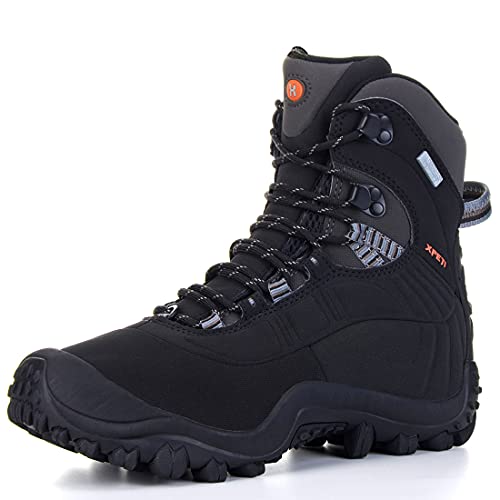
Smooth driving requires flexible ankle movement so your foot can pivot cleanly on the heel between controls. Mid-cut and high-cut hiking boots are designed to limit lateral joint motion to protect against ankle rolls on uneven ground. Stiff collars, padded tongues, and firm heel counters create resistance whenever you try to point or flex your foot. Instead of flexing your ankle naturally from the floor, you must lift your entire leg to depress vehicle pedals.
Lifting your entire leg introduces muscle fatigue and slows down lateral transitions between the accelerator and brake. In sturdy options like the Vasque Women’s St. Elias Waterproof HIking Boot or tall high-cut models, supportive leather collars wrap firmly around the lower ankle. While that build offers excellent protection under a heavy pack, it turns small foot taps into slower leg movements. Over a long drive home from the trailhead, fighting against a stiff ankle collar can cause shin splints and foot fatigue.
Outsole Width and Accidental Dual-Pedal Depression
Vehicle footwells in compact sedans and crossovers often feature narrow gaps between the gas and brake pedals. Standard passenger cars frequently offer fewer than three inches of clearance between adjacent pedal pads. Hiking boots feature wide external profiles, flared perimeter lugs, and extended outsoles built for trail stability. Boots built on wide lasts, such as the KEEN Men’s Targhee Ii Mid Wide Hiking Boot with its protective toe guard, occupy considerably more footwell space than typical sneakers.
An oversized sole significantly raises the risk of catching the brake pedal while pressing the accelerator. If your wide boot bridges both pedals at once, the vehicle can accelerate unexpectedly while you attempt to brake. In an emergency stop, the outer lug edge can also catch on the underside of the brake pedal arm, delaying your stop. Even lightweight suede options like Foxelli Women’s Hiking Boots feature broad toe boxes that widen the overall footprint, making pedal spacing checks essential before driving.
Mud, Moisture, and Outsole Lug Pedal Slippage
Returning from a remote hike often means tracking mud, wet clay, or loose gravel onto your boot tread. Trail footwear features aggressive traction channels, ranging from 4mm multi-directional lugs up to 7mm patterns found on Manfen Women’s Hiking Boots Lightweight Waterproof. These deep tread channels trap wet debris securely within their grooves. When a mud-coated rubber lug presses against a smooth, damp vehicle pedal, grip decreases significantly.
A slick boot sole can slip off the brake pedal face when applying moderate or heavy braking pressure. If your foot slips off the brake pedal while stopped in traffic, the vehicle can surge forward without warning. Wet mud also rubs off onto vehicle floor mats, creating a slippery surface beneath your heel that prevents stable footing. Scraping heavy mud clods off your boots before entering the cabin helps reduce the risk of dangerous pedal slips.
Winter Snow Boots and Cold Weather Bulk
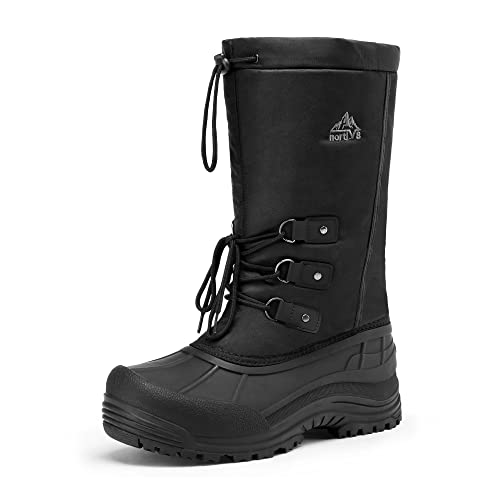
Cold-weather outdoor boots introduce additional driving challenges due to multi-layer insulation and thick protective shells. Insulated winter footwear, such as the NORTIV 8 Men’s Waterproof Winter Snow Boots with 200g Thinsulate insulation, features heavy waterproof shells and deep TPR outsoles. These boots are engineered to keep feet warm down to sub-zero temperatures, which requires thick foam padding and rigid outer layers. Driving in bulky snow boots feels like operating delicate pedals while wearing wooden blocks.
In addition to numbing pedal feel, winter boots bring packed snow and ice into the warm vehicle cabin. As floor heaters melt the snow, wet slush coats pedals and floor liners with slick moisture. Oversized drawstrings, toggle laces, and ankle hook-and-loop straps can also snag on lower dash trim or pedal linkages. Removing heavy winter boots and slipping into dry, flexible footwear avoids these cold-weather hazards entirely.
Manual versus Automatic Transmission Challenges
Operating a manual transmission in hiking boots introduces distinct difficulties that automatic drivers avoid. Manual driving requires precise clutch pedal modulation at the friction point to achieve smooth starts and clean shifts. Because hiking boot outsoles are thick and torsionally rigid, feeling the clutch bite point through the sole is very difficult. Hikers driving manual gearboxes in stiff boots frequently stall the engine or slip the clutch excessively, accelerating drivetrain wear.
A third pedal also crowds available footwell space, narrowing gaps between the clutch, brake, and gas pedals. A wide boot sole can catch on the clutch arm or snag against the footrest dead pedal during quick downshifts. In an automatic vehicle, you only manage two pedals, but wide soles still risk hitting both simultaneously. Regardless of transmission type, having unrestricted foot articulation and clear pedal separation is vital for safe driving.
Legal Regulations, Careless Driving, and Liability
Driving in hiking boots is not explicitly illegal under state statutory vehicle codes in the United States. However, traffic safety laws universally include broad statutes against reckless, negligent, or careless driving. If you cause a collision because your bulky boot slipped off the brake pedal or pressed both pedals simultaneously, an officer can cite you for driving without due care. The law places full responsibility on the driver to ensure footwear allows safe vehicle operation.
International traffic laws enforce footwear safety with even greater regulatory scrutiny. In the United Kingdom, the Highway Code requires motorists to wear footwear that allows proper vehicle control without interference. European countries, including Spain and France, allow traffic officers to issue fines if a driver wears restrictive or hazardous footwear. In the event of an accident, insurance adjusters may also evaluate your footwear when determining driver negligence and claim liability.
Speed Hooks, Long Laces, and Mechanical Snag Hazards
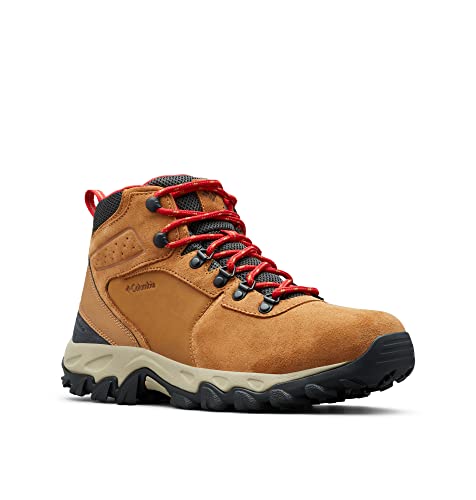
Outdoor trail footwear incorporates heavy-duty lacing hardware, including open metal speed hooks, webbing loops, and extended laces. Boots like the KEEN Men’s Targhee EXP Mid Height Waterproof feature rugged hardware designed to withstand trail punishment. However, open metal speed hooks along the ankle collar create a real snag hazard inside the driver footwell. A protruding metal hook can snag against pant cuffs or catch on the edge of a rubber floor mat.
If your boot snags while moving toward the brake pedal, your foot can become momentarily trapped. Even a split-second delay in reaching the brake pedal adds substantial distance to your emergency stopping gap. Drivers must also watch for long, loose lace loops that can snag around pedal arms or wedge beneath floor trim. Double-knotting laces and tucking loose ends securely into boot collars prevents unexpected mechanical interference while driving.
Emergency Braking Reaction Times and Stopping Distances
Driver reaction time studies show that footwear directly impacts how quickly motorists apply vehicle brakes. Moving your right foot from the accelerator to the brake pedal takes an alert driver between 0.2 and 0.5 seconds in flexible shoes. When wearing stiff, heavy boots with limited ankle flexion, that transition time lengthens because you must lift your entire leg. That mechanical delay directly increases the total stopping distance required to bring the car to a halt.
At highway speeds of sixty miles per hour, your vehicle travels eighty-eight feet every single second. A reaction delay of just two-tenths of a second adds over seventeen feet to your total emergency stopping distance. That additional distance can easily determine whether you stop safely or collide with a braking vehicle ahead. The combined impact of delayed pedal transfer and muffled brake feel makes driving in heavy boots an unnecessary risk on busy highways.
Trailhead Protocols: Packing Dedicated Driving Footwear
Keeping a dedicated pair of driving shoes inside your vehicle is the simplest, most effective safety habit for any hiker. Stashing flexible sneakers, loafers, or slip-on shoes in your vehicle trunk takes up minimal space. When organizing your gear list and reviewing gear for multi-day backpacking trips, always leave a comfortable pair of driving shoes behind in the vehicle. Changing shoes at the trailhead keeps your vehicle clean and restores crisp pedal feel for the trip home.
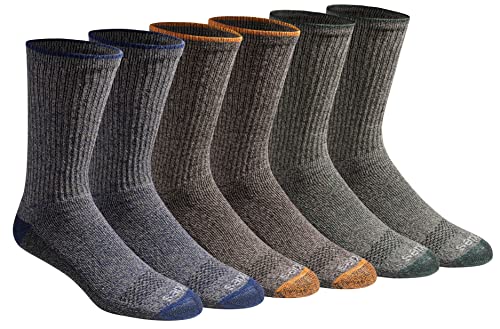
Removing heavy boots immediately after finishing a strenuous hike also delivers immediate relief to your feet. Taking off supportive boots allows compressed toes to splay, lets swollen feet cool down, and relieves pressure across tired arches. Swapping sweaty trail socks for fresh, dry socks restores comfortable circulation after miles of walking. If you pair this habit with durable clothing, as discussed in our guide on whether hiking pants are worth the investment, your drive home becomes far more relaxing.
Safety Steps If You Must Drive in Trail Footwear
If you find yourself in a situation where changing into driving shoes is impossible, perform a static pedal test before turning the key. Sit in the driver seat, move your seat back slightly to accommodate thicker soles, and press each pedal firmly to the floor. Verify that your boot does not touch adjacent pedals and that your heel rests securely on the mat without sliding. Check that your laces are tucked securely inside your collar so loose loops cannot snag on floor brackets.
Increase your following distance behind other vehicles and maintain conservative driving speeds on your way home. Anticipate traffic stops early to compensate for reduced pedal feel and stiffer ankle movement. While you technically can drive in hiking boots when no other footwear is available, changing into flexible shoes remains the smartest choice for road safety, vehicle control, and foot comfort. Taking two minutes to switch shoes ensures your outdoor trip concludes safely on the highway.



Write Your Review
No reviews yet. Be the first to share your experience!