


Cold ground dampness quickly drains body heat whenever you take a break along rocky ridgelines or settle into camp after miles of elevation gain. Stiff trail trousers can bind across the knees during steep climbs, while uninsulated ground surfaces chill your lower body the second you sit down to rest. Balancing lightweight lower-body mobility with dependable ground insulation makes a noticeable difference on demanding trips. Evaluating seamless roaming hiking pants sleeping mats requires looking closely at pack weight, moisture resistance, and practical trail versatility. Reliable gear combinations keep you moving freely during daytime ascents and shielded from frozen soil when dusk sets in. Hikers often pair breathable trail bottoms with ultralight ground pads to maintain comfort across changing terrain, as seen in recent guides on trail comfort hiking apparel.
Chafing and clammy fabrics often ruin long treks if your legwear traps moisture during humid ascents. Pairing non-restrictive garments with puncture-proof closed-cell pads prevents sudden gear failures far from the trailhead. Based on product specifications and user feedback, closed-cell foam insulation provides continuous thermal separation from wet grass without the risk of sudden punctures. Hikers building streamlined kits frequently explore versatile options like trail mobility pant setups alongside compact sleep insulation. Smart gear selection helps you shed pack bulk while staying warm and dry across variable backcountry conditions.
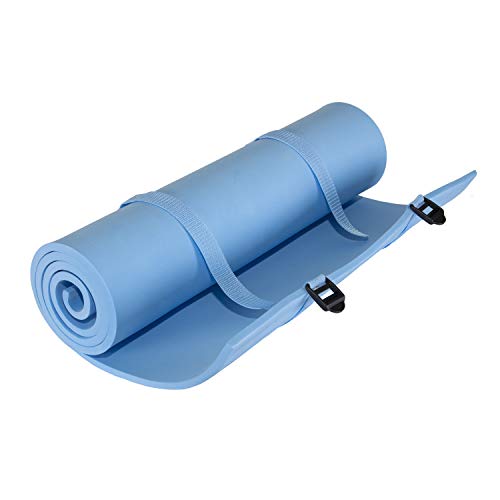
Pros
- Ultralight 0.6-pound weight adds minimal bulk to a backpacking kit
- Puncture-proof closed-cell foam eliminates the risk of leaks or deflation on rough terrain
- Waterproof material keeps ground moisture from soaking through to sleeping gear
- Included straps keep the pad rolled tightly for exterior pack attachment
- Backed by a one-year manufacturer warranty against defects
Cons
- Thin 3/8-inch to 0.5-inch profile provides minimal cushioning on hard or rocky surfaces
- Narrow 19-inch width leaves little room for active or broad-shouldered sleepers
- Rolled foam design is bulkier on pack exteriors compared to compact inflatable pads
The Stansport Pack Lite Camping and Backpacking Sleeping Pad is a minimalist closed-cell foam ground mat designed for backpackers, campers, and day hikers who require an ultralight, fail-safe barrier against the elements. Weighing just 0.6 pounds, this pad is built for outdoor users who prioritize simplicity and dependability over the plush thickness of heavy inflatable mattresses.
For trail use, the primary advantage of closed-cell foam is reliable thermal protection without the risk of punctures or air leaks. The manufacturer highlights waterproof and puncture-proof construction, which helps keep cold and dampness away from the body when sleeping on bare earth, tent floors, or shelter platforms. Unlike inflatable sleeping pads that can fail if punctured by sharp rocks, pine needles, or thorns, this foam mat maintains its protective structure regardless of trail debris.
The build consists of closed-cell foam insulation measuring 72 inches long by 19 inches wide, with thickness listed between 3/8 inches and 0.5 inches in the product specifications. Because closed-cell foam does not absorb water, moisture management is effortless on wet terrain. Condensation, rain, or dew can be wiped or shaken off in seconds before you pack up and hit the trail.
Handling and packability are geared toward straightforward exterior pack carry. At 0.6 pounds, the mat adds minimal weight to your load, and the included straps keep it rolled tightly during transit. Because a roll-up foam mat does not compress down to pocket dimensions, backpackers will typically lash it to the exterior loops or compression straps of a backpack rather than storing it inside a main compartment.
The most significant limitation of this sleeping pad is its lean cushioning and narrow profile. With a thickness under half an inch, side sleepers or hikers on hard, uneven ground will experience firm contact with the terrain. Additionally, the 19-inch width provides limited surface area, meaning restless sleepers may slide off onto the tent floor during the night.
The Stansport Pack Lite is best suited for budget backpackers, thru-hikers seeking an indestructible secondary thermal layer beneath an air pad, and campers needing a lightweight ground shield. Backed by a one-year manufacturer warranty, it offers practical, worry-free ground protection for anyone willing to trade plush cushioning for trail-ready durability.
Closed-cell foam serves as an effective physical barrier against cold earth and damp ground during outdoor sleep. The Stansport Pack Lite uses solid foam cells that resist moisture absorption and prevent cold conduction from reaching your sleeping bag.
This waterproof build makes the mat versatile beyond nighttime sleeping, serving as a clean, dry sit pad during trail breaks, meal prep, or glassing sessions in wet grass or snowy conditions.
At 0.6 pounds, the Stansport Pack Lite is one of the lightest full-length sleep pads available for trail use. The included tie straps secure the pad into a tight roll for transit.
Because rolled foam retains its physical volume, hikers should plan to strap the pad to the top, side, or bottom lash points of a backpack using external straps.
Frequently Asked Questions
How does closed-cell foam protect against damp ground on the trail?
Closed-cell foam creates an impermeable barrier that blocks moisture and prevents ground dampness from soaking into your sleep setup. Because the microscopic air pockets are individually sealed, the material will not absorb water even if placed on wet grass or frozen mud. This design keeps your base layers and sleeping bag dry without requiring an extra ground sheet.
Can you attach this roll-up foam mat directly to an outdoor pack?
Yes, the included tie straps allow you to lash the rolled pad securely to external pack loops. External mounting saves valuable internal pack volume for dry clothes, food, and foul-weather gear. Users often secure rolled closed-cell mats beneath pack bottom straps to keep weight balanced during long trail days. Knowing how to properly pack and clean and care for a hiking backpack ensures exterior straps and fabrics stay resilient season after season.
Why choose closed-cell foam instead of an inflatable sleeping pad?
Closed-cell foam offers unmatched puncture-proof reliability because sharp rocks, sticks, and thorny brush cannot cause air deflation. Inflatable pads provide thicker cushioning but risk terminal leaks in rocky terrain. Foam pads also deploy instantly without manual inflation, saving time and energy when setting up camp in bad weather.
How does ground insulation interact with hiking apparel during camp rests?
A dedicated foam mat insulates your seat and legs from thermal conduction, keeping cold ground from chilling damp hiking trousers. When you sit on cold stone or damp earth, body heat quickly transfers into the terrain, leading to shivering muscles and stiffness. Placing a closed-cell pad between your clothing and the trail keeps lower-body layers dry and insulated.
What should buyers look for in 2026 when picking seamless roaming hiking pants sleeping mats?
Buyers evaluating Seamless Roaming Hiking Pants Sleeping Mats in 2026 should focus on physical pack dimensions, puncture resistance, and wet-weather insulation performance. The ideal setup combines unrestricted lower-body mobility with durable, waterproof closed-cell barrier protection that withstands rough terrain. Checking manufacturer specifications and user dimensions ensures the gear fits your height and pack configuration properly.




Write Your Review
No reviews yet. Be the first to share your experience!