


Rocky switchbacks and slick mud trails quickly reveal the structural limits of everyday running shoes. Hikers facing their first mountain trip often wonder whether standard athletic footwear can handle rough ground, or if dedicated footwear is truly necessary. Deciding whether you should i buy hiking boots depends on the specific terrain you explore, your base pack weight, and your individual foot stability requirements. Upgrading to a purpose-built boot brings substantial underfoot shielding and torsional resistance that athletic trainers simply cannot match on uneven backcountry paths.
Trail footwear works together with the rest of your gear to prevent common trail injuries and physical exhaustion. Just as hikers often review wearing long pants on trail to shield their legs from brush and abrasive scree, matching your boots to trail conditions prevents bruised arches and joint strain. Purpose-built models feature deep lugged outsoles, dense midsoles, and reinforced toe caps that protect your feet from sharp granite. Understanding the balance between heavy-duty stability and lightweight trail agility helps you make a confident decision before your next trek.





The Decision Framework: When Hiking Boots Are Worth It
Stepping onto an unpaved trail in worn sneakers often leaves hikers with sore arches and unstable footing. Determining whether to invest in specialized footwear comes down to weighing the physical protection of stiff soles against the nimbleness of lighter athletic shoes. A well-constructed boot provides a rigid chassis, traction-heavy rubber, and weather resistance built to endure abrasive environments. Examining your trail goals, physical mechanics, and pack demands will clarify if a boot purchase makes practical sense for your adventures.
Trail Demands and Pack Weight Thresholds
Pack weight remains one of the clearest indicators of whether you need dedicated hiking boots. Day hikers carrying only water and a light jacket place minimal downward stress on their feet, allowing flexible athletic shoes to function adequately on smooth dirt. Backpackers carrying loads exceeding thirty pounds experience significant downward force that compresses soft running shoe foam rapidly. Stiff midsoles and supportive shanks distribute that sustained pressure across the entire foot bed, protecting your plantar fascia from premature fatigue.
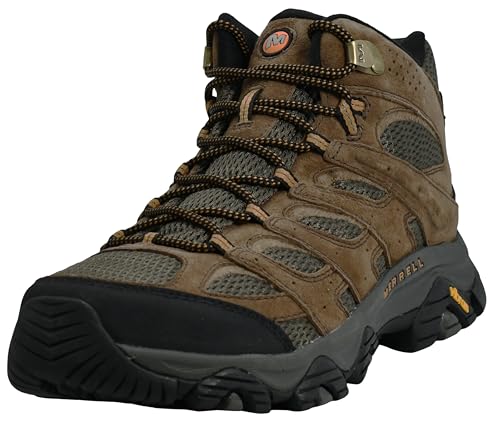
Backcountry routes with jagged granite, loose shale, and exposed roots also demand structural rigidity underfoot. When you assemble a multi-day backpacking packing checklist, the combined gear weight magnifies every step across off-camber surfaces. Models like the Merrell Moab 3 Mid incorporate molded nylon arch shanks specifically to resist twisting when stepping on uneven rocks. Without that torsional support, your intrinsic foot muscles must work constantly to maintain balance, leading to deep arch cramps by late afternoon.
Heavy loads also alter your walking gait, causing your heel strike to hit the ground with greater force. Without an integrated heel cup and shock-absorbing midsole, that impact reverberates directly up your shin bones and knees. Boots designed for load carriage often incorporate specialized heel cushions, such as the Merrell Air Cushion or KEEN S3 heel technology, to dissipate landing impact. This structural shock dissipation spares your joints over consecutive days on the trail, which flexible trail runners cannot match.
Ankle Stability Versus Foot Agility
Many beginners believe that a taller collar physically locks the ankle joint in place to stop accidental rolls completely. Biomechanical research indicates that collar fabric primarily provides sensory feedback and debris deflection rather than a rigid mechanical brace. The true stabilization comes from a firm heel counter and a torsionally rigid midsole platform that keeps your heel from tilting inward or outward. Boots like the KEEN Pyrenees utilize external stability shanks to prevent lateral twisting while still permitting natural forward ankle flexion.
Padded ankle collars still offer critical physical protection on rugged, overgrown paths. Scree fields, sharp branches, and loose stones frequently strike the lower leg, causing painful bruises on unprotected ankles. A sturdy mid-cut shaft acts as a physical barrier against abrasive debris, biting insects, and mud splashes. Hikers traversing off-trail routes or talus slopes benefit immensely from this barrier, whereas walkers sticking to groomed city parks rarely require the added height.
Underfoot Protection and Outsole Traction Differences
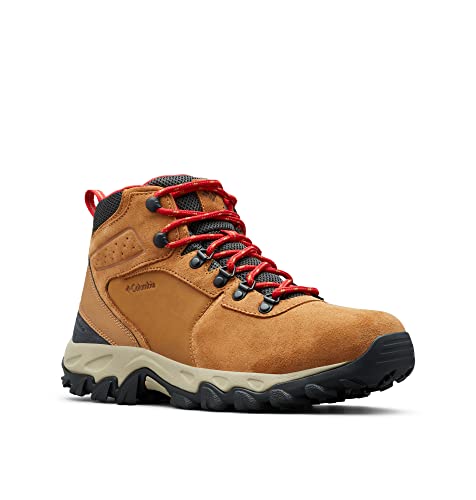
Standard running shoes rely on shallow, closely spaced tread patterns optimized for hard asphalt or smooth tracks. Dedicated hiking outsoles utilize four to five millimeter multi-directional lugs designed to bite into loose soil and shed sticky mud. Specialized rubber compounds, such as the Vibram TC5+ sole on the Merrell Moab 3 or Columbia Omni-Grip on the Newton Ridge, enhance friction across wet rock and mossy logs. That aggressive lug geometry prevents dangerous slips during steep downhill sections where smooth outsoles lose purchase.
Sharp stones and exposed roots also present a constant puncture and bruising hazard on unmaintained trails. Running shoe midsoles are soft and pliable, which allows sharp rock edges to press directly into sensitive nerve clusters under the ball of the foot. Hiking boots integrate dense ethylene-vinyl acetate or polyurethane midsoles, frequently reinforced with internal rock plates or shanks. This layered underfoot barrier disperses localized impacts across the entire sole, preserving comfort over miles of sharp gravel.
Waterproof Membrane Realities in Different Climates
Wet feet quickly develop friction blisters as skin softens and rubs against damp sock fibers. Boots equipped with internal waterproof membranes, such as the KEEN.DRY lining in the KEEN Pyrenees or the bootie construction in the ARTOPEAK Trekking Shoes, shield against shallow stream crossings and morning dew. Gusseted bellows tongues ensure that water and loose silt cannot seep in through the lace eyelets. For hikers facing wet shoulder seasons, muddy autumn trails, or slushy snow, these sealed linings keep socks dry and warm.
Waterproof barriers do introduce notable breathability trade-offs that hikers must consider carefully before buying. In hot, arid summer conditions, a waterproof membrane traps internal foot sweat, leading to clammy socks and skin maceration. Once water enters over the top collar during a deep river crossing, a waterproof boot holds that liquid inside and takes days to air dry. Hikers spending most of their time in hot desert canyons or well-drained summer woods often find unlined, ventilated footwear far more comfortable.
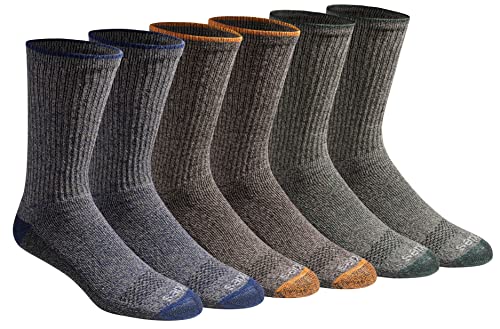
Proper sock pairing plays an equally vital role in managing moisture when wearing membrane-lined footwear. Synthetic moisture-wicking socks or merino wool blends pull sweat away from your skin toward the breathable outer shell of the boot. Cotton socks absorb and trap moisture, neutralizing the benefits of a waterproof lining and causing hot spots. Hikers operating in persistent wet weather must also maintain the factory durable water repellent finish on the leather or fabric upper to prevent outer saturation.
Foot Biomechanics and Specific Anatomical Needs
Individual foot shapes and biomechanical vulnerabilities heavily influence the footwear decision. Hikers dealing with plantar fasciitis, severe overpronation, or fallen arches require firm midfoot support that standard sneakers cannot provide. Orthopedic designs, such as the Men’s Orthopedic Hiking Boots from OrthoComfoot, feature contoured arch structures and rigid heel cradles designed to stabilize the calcaneus bone. This targeted alignment minimizes strain on the plantar fascia tendon during repetitive incline climbing.
Toe box dimensions also dictate whether a boot will feel comfortable over extended trail mileage. As your feet strike the ground over thousands of steps, the metatarsals naturally splay outward to dissipate landing shock. Options like the Stasslang Women’s Waterproof Hiking Boots and KEEN models provide wide toe boxes that accommodate this natural widening without pinching the pinky toes. Hikers prone to bunions or nerve compression find that structured wide forefoot designs prevent painful friction that narrower athletic shoes aggravate.
Weight Penalties and Long-Distance Trail Fatigue
Weight carried on the feet demands significantly more aerobic energy than weight carried on the back. Traditional leather backpacking boots often weigh between three and four pounds per pair, which increases leg fatigue over long mileage days. Hikers aiming for twenty-mile trail days on gentle paths often prefer ultralight trail runners to conserve their energy. Modern footwear designers have responded by creating lightweight synthetic boots, such as the OUTJET Hiking Boots, which weigh under a pound per shoe while retaining mid-height protection.
Choosing between lightweight agility and heavyweight durability requires balancing energy expenditure against trail punishment. When reviewing gear weight and understanding backpack weight limits, your footwear choice acts as the base platform for that entire load. A featherweight synthetic boot excels for brisk day hikes and weekend strolls where rocks are infrequent. When you face sharp scree, heavy loads, and abrasive alpine routes, the structural resilience of suede or nubuck leather justifies the extra ounces.
Fit Verification and the Downhill Clearance Test
Proper boot sizing follows completely different rules than fitting standard casual sneakers. Your feet naturally swell by up to a half size during sustained hiking due to increased blood flow and gravity. Trying on prospective boots in the late afternoon while wearing your intended synthetic or merino wool hiking socks ensures realistic volume. Slide your foot forward until your toes touch the front of the unlaced boot to verify fit. You should comfortably fit one finger width behind your heel before lacing up.
Once the boot is laced securely, performing a downhill descent simulation prevents painful black toenails on the trail. Walk down a steep incline or kick a solid surface with your heel locked firmly into the rear pocket. Your toes must never slam into the front toe bumper, which causes subungual hematomas over steep descents. Utilizing a surgeon’s knot across the instep eyelets locks the midfoot securely, preventing the foot from sliding forward inside the boot.
Instep volume and arch clearance require careful evaluation during the fitting process. Hikers with high insteps often experience painful top-of-foot pressure from rigid boot tongues, while low-volume feet can slide inside the forefoot chamber. Swapping flat factory footbeds for structured aftermarket insoles can fill excess dead space and stabilize your arch. Testing your boots on an indoor ramp or staircase will immediately highlight whether your heel lifts or if your midfoot remains securely locked.
Break-In Commitments and Long-Term Durability
Full-grain leather boots require a patient conditioning phase before they become trail-ready and supple. The dense leather fibers around the ankle collar and vamp must flex gradually to match your foot shape without causing deep friction blisters. Modern synthetic and split-suede options, like the Columbia Newton Ridge or Foxelli Men’s Hiking Boots, offer much faster out-of-the-box flexibility. Even flexible boots still benefit from several short neighborhood walks to soften the internal lining and settle the factory insoles before tackling mountainous elevation.
Long-term durability separates dedicated trail boots from casual athletic trainers. High-wear components, including reinforced rubber toe caps and Oxford fabric collars like those on the NORTIV 8 boots, defend against scuffs and tear damage. When you clean trail grime and condition leather uppers regularly, a quality hiking boot can withstand hundreds of rugged miles. Athletic sneakers frequently suffer ripped mesh, crushed foam, and delaminated tread within a single season of rough trail use.
Key Scenarios: When to Buy Boots and When to Skip Them
Investing in a dedicated hiking boot is unquestionably the right choice if you frequently hike on rocky, unmaintained mountain paths. Hikers carrying multi-day packs, those needing orthotic arch stability, and anyone navigating cold, muddy seasons gain immense safety and joint relief from sturdy boots. The dense soles, aggressive lugs, and protective uppers shield your feet from sharp debris and repetitive mechanical stress. Under these conditions, the added support and weather protection far outweigh the slight weight penalty.
You can comfortably skip buying hiking boots if your adventures consist primarily of well-graded dirt paths, gravel trails, and dry summer strolls. Ultralight trail runners or well-cushioned walking shoes provide superior breathability, agile foot speed, and rapid drying on flat, well-maintained loops. If your pack weighs under fifteen pounds and your ankles possess good natural strength, a flexible low-cut shoe keeps your legs fresh over high mileage. Matching your footwear choice to your true trail environment ensures comfort, foot health, and value with every mile.



Write Your Review
No reviews yet. Be the first to share your experience!