


Steep downhill switchbacks and uneven boulder fields can place punishing stress on knees, hips, and lower back joints over a long day on the trail. Many outdoor enthusiasts who first encounter walking sticks wonder what are hiking poles for and whether carrying extra equipment in their hands makes a measurable difference. Rather than functioning simply as walking canes, modern trekking poles act as dynamic extensions of your arms that absorb shock, distribute weight across the upper body, and provide indispensable stability across unpredictable terrain. Pairing a dependable set of poles with hiking pants designed for knee strain can dramatically change how your body handles elevation changes during challenging mountain treks.
These tools also serve critical roles beyond cushioning joint impact on technical descents. Using poles engages the chest, latissimus dorsi, and shoulder muscles to generate upward momentum on steep climbs, helping hikers maintain a steady breathing rhythm and hiking cadence. They also provide third and fourth points of contact when balancing across slippery stream crossings, loose scree, and thick mud where slipping could lead to serious injury. Whether you are navigating rolling dirt trails, embarking on an extended backcountry expedition, or managing persistent joint discomfort, understanding how trekking poles function allows you to hike farther with greater confidence and physical comfort.


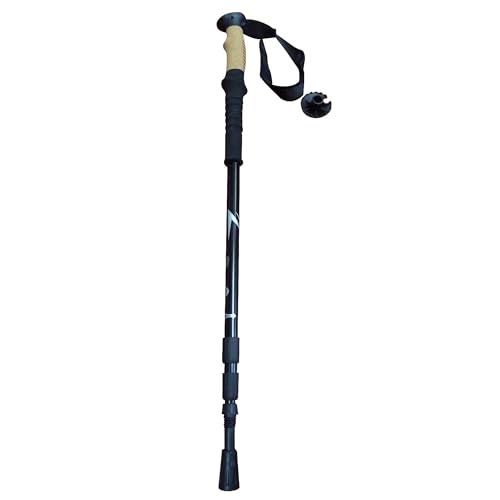


Understanding the Real Purpose and Mechanical Function of Hiking Poles
When outdoor enthusiasts ask what are hiking poles for, the simple answer is that they convert two-legged walking into a four-point locomotive system. By connecting the upper body directly to the ground, trekking poles redistribute muscular effort, buffer impact forces, and deliver active balance across rough terrain. They are not merely walking canes, but functional tools designed to improve trail endurance and stability. Understanding their distinct biomechanical, ergonomic, and practical roles helps hikers maximize efficiency on any backcountry route.
Offloading Joint Impact and Protecting Knees on Steep Descents
The primary reason hikers carry trekking poles centers on joint preservation during steep downhill descents. Descending a mountain transfers heavy compressive force through patellofemoral knee joints, hips, and ankles with every downward step. Planting poles ahead of your body transfers a portion of that braking force into your arms, shoulders, and chest before your lead foot lands. This load transfer softens jarring deceleration shock and significantly reduces knee strain and quadriceps fatigue.
Over miles of mountain switchbacks, distributing force across your upper body provides substantial physical relief. Hikers carrying multi-day loads inside heavy framed hiking backpacks benefit greatly from this mechanical cushion, as heavy packs multiply joint stress. Sturdy poles like the MSR DynaLock Explore 3-Section Alumunium provide reliable downward support on high-angle drop-offs. By keeping your posture upright and easing joint pressure, poles help you descend steep trails without crippling stiffness.
Increasing Propulsion and Energy Efficiency on Climbs
Hiking poles act as powerful propulsion engines when ascending steep mountain gradients. Climbing without poles forces your calves, hamstrings, and glutes to carry all the mechanical work of lifting your body and gear. Planting poles alongside your stride allows you to engage your lats, triceps, and shoulders to push downward against the trail. This coordinated push drives you upward and shares the metabolic load across your entire upper body.
This upper-body engagement also promotes a consistent breathing rhythm during demanding climbs. Coordinating pole plants with your footsteps establishes an efficient cadence that prevents premature muscle burnout. Poles also keep your torso upright rather than hunched forward, expanding chest capacity for better oxygen intake. By maintaining an upright posture and consistent pace, you can conquer steep passes with greater cardiovascular efficiency.
Establishing Stability Across Scree, River Crossings, and Mud
Trail terrain is rarely flat or uniform, making active balance a critical function of hiking poles. On loose scree, wet shale, or slick mud, a sudden slip can lead to a sprained ankle or a bad fall. Poles create third and fourth points of ground contact, providing an immediate safety net when footwear loses traction. Maintaining two secure points of contact at all times gives you the leverage needed to recover your balance instantly.
River crossings and swift stream fords highlight the stabilizing value of trekking poles even further. Fast currents push hard against your legs, while slippery underwater stones make footing hazardous. Planting poles upstream creates a wide, rigid tripod base that lets you test footing and depth before committing your weight. This stability reduces fall hazards in remote backcountry areas where keeping your gear dry is essential for safety.
Backcountry Trekking Poles Versus Nordic Walking Sticks
Many hikers wonder about the difference between standard trekking poles and dedicated Nordic walking sticks. While both feature tubular shafts and ergonomic grips, they are designed for completely different activities and gaits. Backcountry trekking poles prioritize downward load bearing, stability, and shock mitigation across rugged mountain trails. Nordic walking sticks, such as the FitTrek Nordic Walking Poles for Men Women, are engineered for brisk fitness walking along paved walkways and flat gravel paths.
The biomechanics of each discipline reflect these functional differences. Nordic walking uses an active rearward push with poles angled backward at forty-five degrees to drive full-body cardiovascular exercise. Nordic models often feature glove-style harness straps that release and catch the handle on every stroke. Backcountry hiking poles rely on vertical shafts designed to support full axial body weight on uneven mountain terrain.
Shaft Materials: Carbon Fiber Damping Versus Aluminum Durability
Shaft material determines how a hiking pole handles trail vibration, carry weight, and structural stress. Carbon fiber poles, such as the Foxelli Carbon Fiber Trekking Poles, deliver minimal swing weight and excellent natural vibration damping. Carbon material absorbs the sharp buzzing sensations created when tips hit hard granite, protecting your hands and wrists from fatigue. However, carbon fiber is vulnerable to lateral shear forces and can snap if wedged between rocks under heavy torque.
Aluminum poles, such as the aircraft-grade 7075 York Nordic Hiking & Walking Poles, offer superior ductility and impact resilience. When an aluminum shaft is caught in a rock crevice or stressed during a fall, it typically bends rather than shattering. In remote backcountry areas, a bent aluminum shaft can often be straightened enough to complete the journey. For off-trail scrambles or heavy backpacking trips, aluminum remains a reliable, forgiving choice.
Locking Mechanisms and Anti-Shock Suspension Systems
Adjustable hiking poles depend on secure locking mechanisms to hold their height under downward body weight. External cam lever locks, or flip locks, represent the standard choice for field reliability. These mechanisms use an external clamp lever paired with an adjustable thumbscrew that can be tightened easily in cold weather. Unlike internal twist locks that can slip when exposed to trail dust or moisture, lever clamps offer visible, secure hold.
Some models also include internal spring systems designed to cushion hard ground impacts. The Yard Tuff Adjustable Walking Sticks for Hiking feature an anti-shock spring suspension built directly into the telescoping shaft. The spring compresses slightly upon ground contact, absorbing initial vibration before it reaches upper joints. While ultralight hikers often prefer rigid poles for tent pitching, anti-shock systems provide welcome comfort on hard-packed trails.
Grip Materials and Ergonomic Hand Comfort
Because your hands stay on your poles all day, grip material directly affects comfort, blister prevention, and control. Natural cork grips, found on models like the Foxelli Carbon Fiber and Yard Tuff poles, offer exceptional sweat absorption and breathability. Cork naturally molds to the contours of your hands over time, providing a customized hold that stays dry and secure in summer heat.
High-density EVA foam is another widely used option, featured on the MSR DynaLock Explore and York Nordic Hiking & Walking Poles. EVA foam provides soft, durable cushioning that performs reliably across wide temperature swings. Many mountain poles also include lower foam choke-up sleeves beneath the main grip. These extended sleeves let you choke up on the shaft during steep sidehill traverses without stopping to adjust pole length.
Proper Wrist Strap Technique and the 90-Degree Sizing Rule
Using wrist straps correctly transfers downward body weight away from your grip muscles and into your skeletal frame. Slipping your hands down through the strap from above is an ergonomic mistake that causes hand fatigue. The correct method involves bringing your hand upward through the bottom of the loop, resting your palm across the strap, and gripping the handle. This setup lets your body weight bear against the webbing so you can maintain a relaxed, open hand.
Dialing in the correct pole length ensures proper posture and mechanical efficiency across varied elevations. On level trails, adjust the shafts until your forearms form a clean ninety-degree bend at the elbow when tips touch the dirt. Shorten both poles by five to ten centimeters when tackling extended uphill climbs so you avoid reaching upward. Lengthen the poles by five to ten centimeters on steep descents so you can plant them ahead without leaning forward.
Modular Accessories: Carbide Tips, Rubber Ferrules, and Terrain Baskets
The lower section of a trekking pole uses interchangeable accessories designed for specific ground surfaces and seasons. Hard tungsten carbide tips come standard on hiking poles to provide dependable bite into mud, wet granite, and ice. However, bare metal tips can slip or scrape noisily on pavement and hard slickrock. Slip-on rubber ferrules, like the 6-Pack Heavy Duty Walking Stick Tips, offer quiet traction and protect trail surfaces during road walks.
Terrain baskets screw onto the lower shaft to stop the pole from sinking too deeply into loose surfaces. Compact mud baskets prevent poles from getting stuck between roots or sinking into soft forest soil. Broad powder snow baskets distribute downward weight across deeper snowbanks for winter hiking and snowshoeing. Versatile models like the MSR DynaLock Explore include both summer and winter baskets to support year-round mountain use.
Dual-Purpose Utility: Pitching Ultralight Backcountry Shelters
For ultralight backpackers, trekking poles provide essential dual-purpose utility by doubling as structural tent poles. Many lightweight tarps and non-freestanding shelters are engineered without dedicated aluminum frame poles to save backpack weight. Instead, campers adjust their hiking poles to the exact height specified by the tent designer to prop up the shelter apex. This clever gear pairing eliminates heavy tent hardware from your pack list.
Pitching a stable shelter requires rigid pole shafts and reliable locking clamps that resist slipping under fabric tension. Secure telescoping models like the York Nordic Hiking & Walking Poles hold their height firmly against shifting wind loads and guyline strain. Using walking poles as shelter supports allows long-distance hikers to minimize base pack weight without compromising backcountry storm protection.
Transport Logistics and Air Travel Safety Guidelines
Traveling with trekking poles requires careful packing to comply with airline security standards. Transportation Security Administration regulations strictly ban hiking poles with metal carbide tips in domestic airplane carry-on luggage. Even compact three-section telescoping poles that collapse easily into small daypacks must be placed in checked bags. Attempting to bring poles through security checkpoints often leads to immediate confiscation by screening officers.
To prepare your poles for checked transit, collapse the shaft sections fully and clamp the lever locks securely. Wrapping the carbide tips in rubber protective caps or packing poles inside a dedicated travel bag prevents sharp ends from puncturing gear. Packing your poles securely in checked luggage ensures your gear arrives undamaged and ready for the trail.
Practical Guidance for Choosing and Using Hiking Poles
Hiking poles are designed to make trail travel safer, more comfortable, and significantly more efficient across demanding terrain. Whether your primary goal is easing knee strain on rocky descents, powering up steep switchbacks, or crossing rivers safely, poles deliver clear physical advantages. Choosing the right mix of shaft materials, locking systems, and grip compounds depends on your hiking style, pack weight, and target trail conditions.
Before heading out, calibrate your lever clamp tension, adjust your wrist straps properly, and set your baseline length to a ninety-degree arm bend. Regularly checking your tips and locking collars ensures dependable support when navigating rugged backcountry routes. With sound technique and reliable gear, hiking poles quickly become essential tools that help you explore the outdoors with greater endurance and peace of mind.





Write Your Review
No reviews yet. Be the first to share your experience!