


Sudden temperature drops along windy ridgelines can quickly transform an invigorating mountain trek into a bone-chilling endurance test. When physical movement stops at a scenic rest stop, core body heat dissipates rapidly into the surrounding air unless an insulating layer traps that warmth immediately. Figuring out what is the warmest packable jacket is essential for staying comfortable and safe in fluctuating outdoor conditions without overloading your pack. Modern lightweight outerwear balances thermal retention and minimal packed volume through specialized baffling, compressible fills, and wind-blocking face fabrics.
Carrying dependable insulation ensures you remain prepared for sudden alpine storms, unexpected elevation drops, and brisk morning departures. Backcountry travelers planning a comprehensive gear list, such as an adaptable multi-day backpacking packing list, understand that every ounce and cubic inch inside a haul bag counts. Evaluating the balance between loft, fill material, and weather resistance allows you to select an outer layer that delivers reliable thermal performance on demanding mountain trails.


Evaluating Thermal Efficiency, Insulation Types, and Trail Packability
Determining what is the warmest packable jacket requires looking closely at how insulation materials trap warmth, how shell textiles block biting wind, and how garment patterning prevents cold drafts from entering. While traditional heavy winter coats rely on sheer mass, technical packable jackets utilize high-loft fills and specialized chamber designs to capture warm air within microscopic pockets. Down insulation generally delivers the highest warmth-to-weight ratio, while modern synthetic fills provide vital protection against moisture saturation. Choosing the right design requires understanding the balance between raw thermal retention, weather resistance, and pack volume.
Down Loft Versus Synthetic Fill Performance on the Trail
Natural duck down insulation represents the gold standard for pure thermal efficiency relative to garment weight. Garments like the CAMEL CROWN Women’s Down Jackets Lightweight utilize duck-down filler to create an expansive, low-density barrier of trapped ambient air. These delicate plumules expand inside the garment baffles, generating remarkable loft that prevents core body heat from radiating away into frigid mountain air. Because down clusters lack rigid structural fibers, they compress effortlessly into compact drawstring stuff sacks without damaging their underlying geometry.
Down insulation does have distinct physical limitations that outdoor enthusiasts must manage carefully during foul-weather travel. Natural plumage relies entirely on its three-dimensional loft to trap air, meaning that moisture from rain, sleet, or heavy perspiration can cause the plumules to collapse. Once saturated, down loses virtually all of its insulating value and takes an extended period to dry completely in backcountry settings. Hikers relying on down garments must safeguard them inside water-resistant dry bags or pair them with dedicated waterproof shells during sustained rainfall.
Synthetic insulation addresses moisture vulnerability by utilizing engineered polyester filaments that mimic natural down structures. Materials such as the Glacier Shield insulation featured in the CANADA WEATHER GEAR Womens Puffer Jacket trap body heat efficiently while maintaining physical resilience across changing environments. These synthetic fibers are inherently hydrophobic, allowing the insulation to retain structural loft and thermal performance even when exposed to damp mountain air or high perspiration. Synthetic options also withstand repeated compression cycles without suffering the fiber clumping that can occasionally plague natural down.
The primary compromise of synthetic fill lies in its overall weight-to-warmth ratio and packed footprint. While garments like the Gihuo Women’s Packable Lightweight Hooded Puffer provide exceptional warmth without excessive bulk, synthetic fibers remain slightly heavier and bulkier than premium down clusters of equivalent thermal value. Hikers prioritizing ultralight pack base weights often lean toward down, whereas travelers facing humid climates, wet snow, or unpredictable shoulder-season precipitation frequently select synthetic puffers for their dependable damp-weather reliability.
Baffle Architecture and Cold Spot Prevention
The internal architecture of an insulated jacket plays an equally critical role in determining overall warmth. Horizontal quilting patterns, visible across jackets like the Amazon Essentials Women’s Lightweight Long-Sleeve, create separated chambers that keep the insulation evenly distributed across the torso. Without these compartmentalized baffles, loose fill materials would shift downward due to gravity and active body movement, leaving the upper shoulders and chest vulnerable to cold spots. Structured panels ensure uniform thermal coverage across the entire core.
Most lightweight packable jackets utilize stitch-through baffle construction, where the outer face fabric is sewn directly to the inner lining fabric to form distinct horizontal tubes. This technique reduces garment weight and manufacturing bulk, producing an exceptionally compressible layer that stows cleanly into an included matching travel pouch. However, the stitched seams create microscopic lines where no insulation exists, which can allow ambient cold to penetrate if high winds press against the jacket face. Understanding this mechanical tradeoff helps hikers anticipate when an outer windproof shell is required.
Baffle width and fill density directly influence how effectively a puffer manages thermal regulation. Narrow horizontal baffles, such as those found on the Gihuo lightweight hooded coat, hold lightweight insulation securely in place to minimize bulk during active movements. Broader baffles accommodate higher volumes of lofting fill, which can enhance stationary warmth at the expense of a slightly larger packed volume. Structured paneling across the sides and underarms also facilitates athletic mobility, ensuring the baffles do not pinch or compress excessively when reaching or scrambling.
Shell Textiles, Windproof Weaves, and Moisture Defense
Trapping warm air inside insulation is only effective if the outer textile prevents cold air from stripping that warmth away. Convective heat loss accelerates dramatically when mountain gusts penetrate loosely woven fabrics, displacing the warm boundary layer surrounding your body. Packable jackets counter this issue by using tightly woven plain weave nylon or durable polyester shells, such as the wind-resistant shells used in the CANADA WEATHER GEAR Mens Puffer Jacket – Packable. These dense weaves form a physical barrier that deflects biting winds during open-ridge ascents and exposed ridge crossings.
The choice of face fabric also dictates how well a packable jacket withstands physical trail hazards and abrasive contact. Plain weave nylon fabric, featured on solid variants of the Amazon Essentials puffer and the CAMEL CROWN down coat, provides impressive tensile strength and tear resistance despite its low weight. Polyester weaves offer smooth drape and vivid color retention while resisting moisture absorption. Both materials protect the delicate internal insulation fibers from snagging branches, rough rock surfaces, and friction generated by heavy pack straps.
Most packable puffers feature a durable water-resistant treatment applied to the exterior fabric panels to deflect light snowfall and brief drizzle. This surface treatment causes liquid droplets to bead up and roll away before they can saturate the shell weave and compromise the internal fill. When packing extra layers for unpredictable mountain excursions, reviewing a sizing a daypack for extra layers guide can help you evaluate how much interior volume is required to stow insulated jackets alongside storm shells. Water-resistant shells handle morning mist, but they cannot substitute for seam-sealed waterproof hardshells during sustained downpours.
Draft Management: Hood Structures, Cuffs, and Hem Closures
A significant amount of body heat escapes through the collar and hem of an insulated jacket due to the natural chimney effect. As the body warms the air inside the garment, that buoyant warm air rises and vents out through the neck opening while pulling cooler air upward from the bottom hem. Jackets equipped with high stand collars, such as the Amazon Essentials Women’s Lightweight Long-Sleeve, help mitigate this circulation by creating a snug seal around the neck. Stand collars are particularly comfortable when layering beneath hardshell storm jackets because they avoid the bulky bunching of multiple overlapping hoods.
For maximum thermal efficiency in sub-freezing conditions, an integrated insulated hood offers substantial protection against ambient heat loss. Options like the Gihuo hooded puffer and the CANADA WEATHER GEAR men’s jacket feature attached hoods that shield the head, ears, and neck from cold drafts. Because the head has a high concentration of blood vessels close to the skin surface, covering it with lofted insulation dramatically reduces overall thermal loss. Insulated hoods prove invaluable during stationary summit breaks, frigid morning trail departures, and breezy rest stops where an uninsulated cap may prove insufficient.
Sealing the peripheral openings of a jacket ensures that trapped thermal energy remains inside the garment during active movement. Elastic sleeve cuffs, standard on models from CAMEL CROWN and Amazon Essentials, rest smoothly against the wrists to prevent cold drafts from blowing up the forearms. Adjustable hem drawstrings, featured on the CAMEL CROWN duck-down coat, allow hikers to cinch the lower opening tightly against the hips. This feature eliminates drafts from below, locking in warm air and ensuring that sudden gusts cannot penetrate the waistline.
Layering Compatibility and Backcountry Deployment
Understanding when to wear a packable puffer jacket is just as important as selecting the right insulation type. High-loft packable jackets are primarily designed as static insulation pieces intended to keep you warm when your physical output drops. Wearing a puffy coat during steep, high-exertion uphill climbs often causes rapid overheating, soaking your base layers with perspiration. Once saturated with sweat, your inner garments compromise your safety, leading to post-ascent shivering once you stop moving.
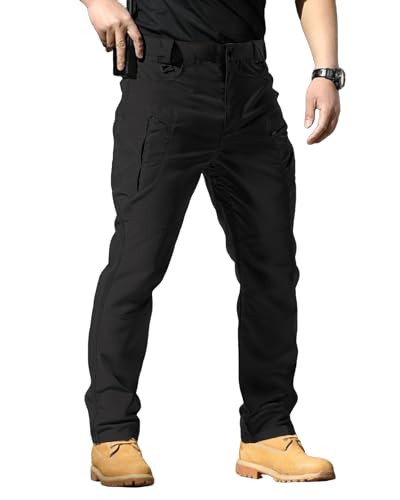
A well-balanced backcountry layering system positions the packable puffer as a versatile mid-layer or standalone outer layer. On cold, dry days, the jacket functions beautifully over a moisture-wicking synthetic or merino wool base layer. When freezing winds pick up or precipitation begins, the slim profile of garments like the CANADA WEATHER GEAR women’s puffer allows them to layer smoothly beneath a waterproof and breathable storm shell without restricting arm motion. Pairing your upper-body layering system with wearing protective trail pants ensures balanced thermal regulation and full-body defense against brush, rocks, and changing mountain conditions.
Functional trail apparel must allow a wide range of motion without riding up or binding across the upper back. Fitted silhouettes and regular cuts allow enough room through the chest, waist, and hips to accommodate midweight fleeces without compressing the insulation baffles. Strategic pocket designs, such as the multi-pocket layout on the CAMEL CROWN down jacket with its exterior chest pocket and internal storage drop pockets, keep smartphones, energy bars, and glove liners warm and accessible. Deep zippered hand pockets also provide rapid relief for cold fingers between trail segments.
Compression, Packing Habits, and Long-Term Loft Preservation
Packability is a defining attribute of these lightweight jackets, allowing them to disappear into tight corners of daypacks and luggage. Included matching travel pouches and drawstring bags, standard across models from Gihuo, Amazon Essentials, and Canada Weather Gear, simplify trail transport. When stowing a packable jacket, it is generally better to stuff the garment into its pouch gradually rather than folding or rolling it tightly. Random stuffing distributes fabric creasing evenly, preventing repeated stress along the same insulation fibers and seam threads.
Repeated compression can temporarily flatten insulation fibers, making proper loft recovery essential before stepping out into freezing air. When unpacking your jacket at a campsite or summit viewpoint, shake the garment gently to encourage air circulation between the baffles. Natural down and synthetic fills like Glacier Shield expand quickly when fluffed, restoring the air pockets that provide crucial thermal resistance. Allowing the jacket a few minutes to regain its natural loft ensures you receive maximum warmth the moment the temperature drops.
Preserving the insulating efficiency of a packable jacket over multiple seasons requires proper home care and storage protocols. Never store a down or synthetic puffer compressed inside its compact stuff sack for extended periods between trips. Long-term compression crushes down clusters and fractures synthetic fibers, permanently reducing loft and thermal retention. Instead, hang the jacket on a broad hanger in a dry closet, allowing the baffles to remain fully expanded. Clean the garment using gentle technical washes rather than standard detergents, which leave chemical residues that inhibit water resistance and mat down delicate fill fibers.
Choosing the Warmest Packable Jacket for Your Specific Needs
Selecting the ideal packable outer layer depends on your typical hiking climate, route exposure, and total pack weight restrictions. If you regularly hike in crisp, dry sub-freezing conditions where minimal pack weight is critical, a duck-down option like the CAMEL CROWN Women’s Down Jackets Lightweight offers unmatched loft and compact compressibility. The down fill traps exceptional warmth while taking up minimal space inside your gear bag.
For shoulder-season adventures, damp forested trails, or high-humidity climates, synthetic options provide a higher margin of safety and dependable performance. Jackets such as the CANADA WEATHER GEAR Mens and Womens Puffers or the Amazon Essentials Women’s Lightweight Long-Sleeve maintain their insulating structure even in the presence of fog, mist, and perspiration. Their durable nylon and polyester shells resist everyday abrasion, making them equally well-suited for rugged trail scrambles and daily travel.
Ultimately, the warmest packable jacket is the one that best integrates into your total outdoor layering system while matching your local weather challenges. Focus on garments that offer a balance of resilient fill, tight wind-resistant shell fabrics, and effective draft closures like insulated hoods and elastic cuffs. By packing your insulating layer properly and deploying it before cold winds rob your body heat, you can stay comfortable, safe, and ready for whatever terrain lies ahead.


Write Your Review
No reviews yet. Be the first to share your experience!