


Carrying two or three liters of water directly against your spine offers remarkable convenience during long ascents, but drinking through a plastic tube often sparks health questions. Hikers frequently wonder whether are hydration bladders safe for daily trail drinking, especially when water sits inside flexible reservoirs under direct sunlight. Modern hydration reservoirs rely on food-grade plastics designed to resist chemical leaching, yet microbial growth inside damp tubing remains an ongoing concern. Storing your reservoir properly inside a dedicated hydration compartment, such as the sleeve of an internal frame hiking backpack, protects the reservoir body from external punctures while keeping weight balanced.
Evaluating reservoir safety requires looking at material composition as well as routine trail sanitation. Quality models from brands like CHERAINTI, Baen Sendi, and Mdvora feature BPA-free construction, pneumatic pressure testing, and wide filling ports that simplify interior scrubbing. When outdoor enthusiasts follow basic hygiene standards and avoid leaving sugary drink mixes in dark hoses, these reservoirs provide dependable, clean drinking water across varied terrain. Understanding the operational limits of flexible water pouches helps you protect both your gear and your health on the trail.

Pros
- Wide top opening makes refilling, adding ice cubes, and scrubbing the interior straightforward
- Includes a bite valve shutoff switch and protective dust cover for cleaner trail use
- Self-locking joint design helps keep water sealed when attaching or detaching the hose
- Weighs approximately 0.42 pounds, minimizing empty base weight in your pack
- Cost-effective solution for replacing leaking or worn-out bladders in standard daypacks
Cons
- Does not include specialized drying clips or cleaning brushes in the single pack
- Specific exterior dimensions are not listed, requiring users to check narrow pack sleeves
- Shutoff switch on the bite valve may feel stiff during initial trail uses
The Mdvora 2L Hydration Bladder is a standalone water reservoir engineered to fit inside hydration-compatible backpacks, daypacks, cycling packs, and running vests. Designed for trail runners, cyclists, day hikers, and campers, this bladder serves as an accessible replacement reservoir or an entry-level hydration upgrade. Carrying 2 liters of fluid, it strikes a practical balance between fluid volume and manageable carry weight for typical short-to-medium outings.
On the trail, managing water supply efficiently without constantly stopping to pull bottles from side pockets is the main reason to carry a bladder. This 2L model holds roughly 67 fluid ounces, which fits standard hydration sleeves in most mid-sized daypacks and backpacking packs. The listed weight of roughly 0.42 pounds ensures you are not adding unnecessary bulk to your pack setup before filling it. Its self-locking joints and pressure-tested sealing are designed to withstand normal jostling during active running, hiking, and biking.
The bladder includes several practical hardware touches that improve everyday usability. A large opening at the top allows users to drop in full-sized ice cubes on warm summer hikes and makes scooping water or filling from standard taps hassle-free. The drinking hose connects via self-locking sealing joints, and the high-flow bite valve is equipped with an integrated on-off switch to guard against slow leaks while hiking. An attached dust cover shields the mouthpiece from dust, mud splashes, and trailhead dirt.
Setting up the reservoir requires threading the hose through your pack hydration port and securing the bladder upright in the internal hydration pocket or hanging loop. Cleaning and drying bladders can often be frustrating, but the wide opening on this Mdvora model allows cleaning kits or a clean towel inside to dry out moisture effectively. Thoroughly air-drying the bladder with the opening propped open prevents moisture buildup between trips, while the detachable parts make rinsing straightforward.
While this reservoir covers core trail hydration needs, buyers should keep a few practical considerations in mind. The manufacturer does not list exact length and width measurements, so owners of ultra-narrow running vests or compact lumbar packs should double-check their pack sleeve clearance. Additionally, this single pack does not come with cleaning brushes or specialized hanging clips, meaning you will need standard household drying methods or separate accessories for long-term reservoir care.
Overall, the Mdvora 2L Hydration Bladder offers a dependable, value-oriented solution for hikers, runners, and campers needing reliable hydration on the move. Its combination of a wide-mouth fill port, leak-resistant connection points, and an on-off bite valve with a dust cap makes it a sensible addition to almost any hydration-ready hiking daypack.
The Mdvora 2L reservoir is designed to sit inside standard internal hydration sleeves found in most daypacks, cycling bags, and backpacking packs. Its 2-liter capacity matches the most common hydration bladder compartment size across major outdoor daypack designs.
The drinking tube utilizes self-locking joints to maintain a reliable seal at the base of the reservoir, allowing for straightforward hose routing through backpack shoulder-strap ports. The bite valve delivers high water flow and features a manual lever switch to stop water from escaping when the pack is compressed or laid down at a campsite.
Routine care for hydration reservoirs is essential for long-term trail use and preventing trapped moisture odor. The standout feature of this bladder is its wide-mouth opening, which allows you to reach inside easily with a sponge, cloth, or standard reservoir cleaning brush.
After washing with mild soap and warm water, prop the bladder open to air-dry completely before storing it flat in a cool, dry place. The detachable bite valve and hose connection also simplify targeted rinsing after long weekend hiking trips.

Pros
- Wide screw-cap opening makes refilling, interior cleaning, and loading refrigerator ice cubes quick and simple.
- Detachable quick-release hose connection shuts off automatically, so the reservoir stays sealed when the tube is unplugged.
- Protective dust cover keeps the bite valve clean when navigating dusty trail sections or laying your pack on the ground.
- Pneumatic pressure testing and double-sealed perimeter seams offer reliable leak prevention inside pack compartments.
Cons
- Operational temperature range of 20 to 50 degrees Celsius means it is not rated for freezing winter conditions or boiling liquids.
- At 14.2 inches in length, it may be too tall for ultra-compact waist packs or specialized low-profile running vests.
- Screw-top cap design requires careful thread alignment to guarantee a complete seal compared to slide-top bladder closures.
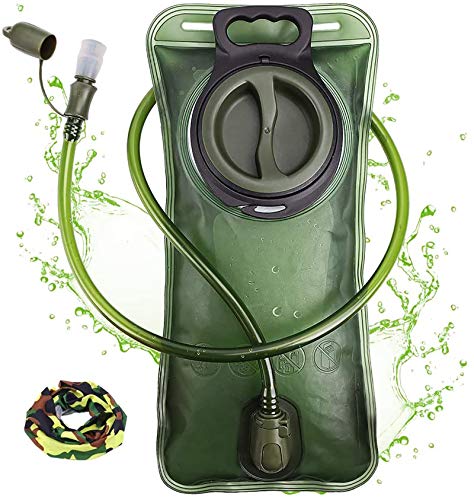
The CHERAINTI 2L Hydration Bladder is a standalone hydration reservoir engineered as a direct replacement or upgrade for daypacks, backpacking packs, running vests, and cycling bags with built-in reservoir compartments. Sized at 14.2 inches long by 6.8 inches wide, it offers a versatile 2-liter capacity that fits standard hydration sleeves used by major outdoor pack brands. This setup works especially well for day hikers, trail runners, gravel cyclists, and backpackers who prefer drinking on the move rather than stopping to reach for water bottles.
On the trail, hydration flow and pack compatibility are critical, and the CHERAINTI reservoir delivers practical functionality. The 40-inch-long tube provides ample length to route through either left or right pack ports, securing neatly along shoulder harness webbing. With a 0.4-inch hose diameter and a soft bite valve, drawing water requires minimal effort during steep climbs or fast paces. The dry weight of 0.6 pounds adds negligible base weight to your loadout, making it a functional choice for weight-conscious hikers managing overall trail weight.
Durability and leak prevention are addressed through double-sealed side edges and pneumatic pressure-tested construction. The reservoir body is made of BPA-free material designed with a smooth interior to minimize residual plastic taste and resist residue build-up. The bite valve includes a tethered dust cover, an essential feature for keeping trail dust, grit, and mud off the silicone mouthpiece when setting your pack down at rocky overlooks or dusty rest stops.
Routine handling, filling, and cleaning are simplified by the oversized screw-on port. The wide diameter allows you to pour directly from taps, filter pumps, or water jugs without spilling, and it easily accommodates refrigerator ice cubes for warm-weather outings. Cleaning the bladder is straightforward because hands and standard bottle brushes can reach the interior corners. Furthermore, the quick-release hose mechanism features an automatic shut-off valve, which allows you to detach the tube and leave it routed through your pack straps while taking the reservoir to a water source or placing it in a refrigerator.
Hikers should note realistic operational limits before heading out. The reservoir is rated for temperatures between 20 and 50 degrees Celsius, which means it is not intended for sub-freezing winter mountaineering where hose freezing or brittle plastics occur, nor should it be filled with boiling water for sanitization. Additionally, buyers with compact hydration waist packs or ultra-short running vests should verify that their hydration compartment accommodates the 14.2-inch vertical height to avoid bunching or kinked feed tubes.
For hikers, cyclists, and weekend campers seeking an affordable, dependable 2-liter water reservoir replacement, the CHERAINTI Hydration Bladder offers solid performance. With its reliable auto-shutoff connector, leak-resistant seam construction, and convenient wide-mouth opening, it delivers essential hydration capability for everyday trail adventures.
The CHERAINTI 2L Bladder measures 14.2 inches in length by 6.8 inches in width, aligning with the standard sizing of 2-liter hydration sleeves found in most modern hiking daypacks and multi-day backpacks. Confirming the internal dimensions of your pack's hydration pocket before purchase ensures the bladder sits flat against your back panel without folding.
The included 40-inch drinking tube is long enough to route through upper pack exit ports and down shoulder-strap retainers on packs of various torso lengths. Because the quick-connect port automatically stops water flow upon disconnection, hikers can easily refill the bladder without unweaving the hose from shoulder harness clips.
Maintaining proper hygiene with the CHERAINTI reservoir is aided by the wide screw-cap opening, which allows direct interior access for cleaning brushes and sponge cleaning. The smooth inner surface helps prevent liquid residue and simplifies rinsing after use with plain water or hydration drink mixes.
To extend reservoir life and prevent mold growth, detach the 40-inch tube, prop the main bladder open to air dry completely between hikes, and store it in a cool, dry place. Always adhere to the stated 20 to 50 degree Celsius temperature range by avoiding dishwashers, boiling water, and freezer-based freezing cycles.
Pros
- Affordable two-pack delivers dependable primary and spare reservoirs for family or partner hiking setups
- Auto-shutoff connection lets you leave the drinking tube routed through your shoulder harness while refilling the bladder
- Wide 4-inch port allows full hand access inside the bladder for effortless scrub-downs and rapid air drying
- Tethered bite-valve cap keeps the mouthpiece clean when setting backpacks down on dusty or muddy trail terrain
Cons
- Rigid 4-inch screw collar adds localized thickness that may fit tightly in ultra-narrow hydration vest pockets
- Careful alignment is required when threading the cap to ensure a fully watertight seal around the gasket
- Reservoir length of 14.17 inches may be too tall for compact lumbar waist packs or minimalist running vests
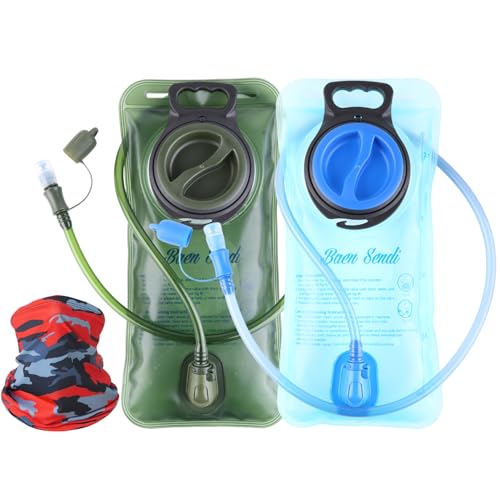
The Baen Sendi 2-Pack Hydration Bladder is a dedicated replacement water reservoir system designed for day hikers, backpackers, cyclists, and trail runners. Each package supplies two separate 2-liter (70-ounce) reservoirs - one finished in blue and one in army green - alongside a multifunctional neck gaiter. For hikers outfitting multiple packs or outdoor partners seeking an economical replacement for worn, leaky reservoirs, this two-piece set provides an accessible, trail-ready hydration solution.
With physical dimensions of 14.17 inches long by 6.69 inches wide, each 2-liter bladder is dimensioned to fit typical hydration sleeves in daypacks, overnight packs, and mid-sized trekking backpacks. Carrying 70 ounces of water offers a dependable supply for moderate day hikes, trail runs, and extended approaches between water sources. Because water weight settles at 0.85 pounds empty for the gear pair, the reservoirs add minimal base weight to your pack while keeping your fluid supply centered along your spine.
Construction quality focuses on utility and trail durability, utilizing a thick, flexible BPA-free material tested under pneumatic pressure to withstand interior pack shifting. The drinking tube interfaces with the bladder via an auto-lock quick-release valve that seals immediately upon separation. This allows you to pull the water reservoir out for refilling at a stream or tap without needing to unthread your hose from pack shoulder loops or chest clips.
Hydration delivery on the trail relies on a soft bite valve with an integrated flow switch. Hikers can push or pull the inline shutoff valve to prevent accidental compression leaks during transit, while the high-flow bite interface delivers steady suction when drinking. An attached plastic dust cover shields the valve from dirt and grime whenever you rest your backpack on dusty ground or rocky ledges.
Cleaning and routine maintenance are made straightforward by the bladder's generous 4-inch opening. Unlike narrow-mouth bladders that trap moisture and encourage mildew, this wide threaded port allows you to reach inside with a sponge, bottle brush, or towel for complete drying before long-term closet storage. The broad mouth also makes it easy to drop in refrigerator ice cubes or powdered electrolyte mixes before heading out on sun-exposed trails.
The primary consideration for prospective buyers centers on pack compartment fit. The rigid collar of the screw cap does not bend, making it better suited for conventional daypacks and backpacking sleeves than for skin-tight ultralight running vests. For hikers and campers who want dependable hydration capacity, quick-disconnect convenience, and an extra reservoir on hand at an economical price point, the Baen Sendi 2-Pack is a thoroughly practical gear addition.
Each Baen Sendi reservoir measures 14.17 inches in length and 6.69 inches in width, fitting standard hydration sleeves found in most modern daypacks, hiking backpacks, and tactical rucksacks. The quick-release mechanism at the reservoir base permits one-click hose detachment, which allows the tube to remain routed through your pack straps while you remove the bladder for refilling.
The 2-liter (70-ounce) volume is widely supported across mid-size packs, ensuring the reservoir sits upright without bunching. Hikers using very narrow race vests or horizontal lumbar packs should verify their compartment dimensions before purchase to confirm clearance for the 14-inch bladder length and the structured 4-inch cap collar.
Routine cleaning is simplified by the 4-inch diameter screw opening, which is wide enough to admit standard bottle brushes, cleaning sponges, or a hand for thorough scrubbing. This wide access helps remove moisture and residue quickly, preventing the buildup of unpleasant odors or mildew after trail use.
To extend reservoir lifespan, rinse the bladder with warm water and mild soap after using drink mixes or electrolyte tablets. Prop the mouth open and hang the unit inverted until completely dry inside before packing it away. The detachable quick-release tube can be disconnected and hung separately to allow complete airflow throughout the hose line.
Pros
- Quick-release tube unclicks cleanly while retaining liquid, letting you leave the hose routed in your pack during reservoir refills
- Wide threaded opening makes filling ice and cleaning with a standard brush simple and fast
- Mouthpiece includes a snap-tight dust cover to keep dirt, sand, and trail debris off your bite valve
- Double-sealed edge construction offers dependable burst resistance when packed tight among hiking gear
Cons
- Operating temperature limit of 20 to 50 degrees Celsius makes it unsuitable for boiling water or freezing winter hikes
- The raised screw-cap collar adds rigid bulk that can feel tight in very narrow pack hydration compartments
The CHERAINTI 2L Hydration Bladder is a dedicated replacement water reservoir designed for hikers, backpackers, cyclists, and trail runners seeking a dependable, budget-friendly fluid delivery system. Engineered to slide into hydration-ready daypacks and internal-frame hiking bags, this bladder holds two liters (approximately 67.6 fluid ounces) of water. That capacity offers a practical balance between fluid endurance and manageable trail carry weight, avoiding the excessive bulk and sloshing of oversized bladders on moderate outings.
Trail usability centers around thoughtful plumbing and sensible dimensions. Measuring 14.2 inches long by 6.8 inches wide, the bladder fits neatly into the rear hydration sleeves of standard outdoor daypacks. Its 40-inch flexible drink hose features an ample 0.4-inch diameter for consistent, effortless water flow. A soft bite valve allows simple bite-to-sip operation, complemented by an on-off switch to stop drips during transit and a tethered plastic cap that prevents dirt or grit from contaminating your drinking surface on dusty trails.
In terms of build quality, the reservoir utilizes BPA-free, taste-free materials reinforced with double side-welded seams. The manufacturer subjected the construction to pneumatic pressure testing, ensuring the seams resist the internal pressure spikes that occur when stuffing gear, jackets, and food into a fully packed backpack. At the base of the reservoir, a quick-release connector houses an automatic shut-off mechanism, which holds water securely inside even when the drinking hose is detached.
Refilling and routine maintenance are made user-friendly thanks to the oversized screw cap. The wide mouth allows hikers to pour water from standard filters, drop full ice cubes straight in, or reach inside with a cleaning brush to scrub the slick internal surface. Because the drink tube unclicks instantly with a single button press, you can leave the hose routed through your backpack shoulder straps and carry only the bladder body to a campground spigot or water filter station.
There are a few functional limitations to keep in mind before heading into extreme environments. The manufacturer lists an operational temperature range of 20 to 50 degrees Celsius (68 to 122 degrees Fahrenheit), which means this bladder is not built for sub-freezing snowshoe treks or hot water sterilization. Additionally, the rigid plastic collar of the screw cap adds more profile thickness than roll-top slider bladders, which may require deliberate packing inside ultra-slim running vests or tight hydration pockets.
For day hikers, weekend backpackers, and outdoor enthusiasts seeking an affordable, leak-resistant water reservoir with modern quick-disconnect convenience, the CHERAINTI 2L Hydration Bladder serves as a dependable upgrade or spare component that reliably covers essential trail hydration needs.
The CHERAINTI 2L Hydration Bladder measures 14.2 inches in length and 6.8 inches in width, fitting the standard hydration compartment dimensions found across most mid-sized daypacks, overnight packs, and tactical packs. The top handle area integrates cutouts that align with standard hydration hook loops found in hiking packs, keeping the bladder suspended upright to prevent sagging as water levels drop.
A generous 40-inch drinking hose provides sufficient length to route through top pack ports and down shoulder straps on both small daypacks and taller backpacking frames. The quick-disconnect coupling at the base allows the hose to stay secured in your pack harness while you remove the bladder for refilling, avoiding the hassle of rethreading the tube at every water stop.
Routine cleaning is straightforward thanks to the wide fill opening, which is large enough to admit a hand, sponge, or standard bottle brush. After rinsing with mild soapy water, ensure the reservoir is thoroughly air-dried with the cap removed before storing it to keep the interior fresh and prevent moisture buildup.
Keep in mind the listed temperature tolerance of 20 to 50 degrees Celsius when washing or filling. Avoid pouring boiling water directly into the bladder or using heat-based drying appliances, as excessive heat can deform the plastic fittings or compromise seam seals over time.
Pros
- Quick-disconnect hose valve automatically seals, allowing the reservoir to remain filled when removing the tube from pack routing.
- Large screw-cap opening fits full-sized ice cubes and bottle brushes for thorough interior cleaning.
- Mouthpiece dust cap helps keep dirt, trail debris, and grit off the silicone bite valve.
- Compact 14.1 by 6.6-inch footprint slips neatly into minimalist hydration daypacks and running vests.
Cons
- 1.5-liter liquid volume may not provide enough water for long wilderness treks or arid, high-mileage hikes without frequent refills.
- Temperature tolerance is limited to 20 to 50 degrees Celsius, making it unsuitable for boiling water or freezing winter conditions.
- Screw-top closure can be slightly harder to dry along the upper interior corners compared to slide-top roll closures.
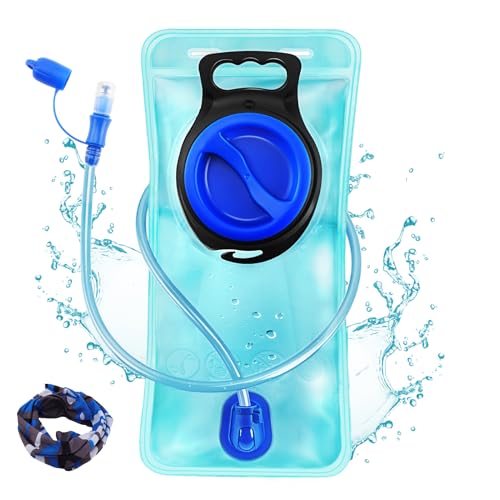
The CHERAINTI 1.5L Hydration Bladder is a dedicated replacement water reservoir designed for outdoor daypack users, trail runners, mountain bikers, and day hikers seeking a compact hydration solution. With a listed volume of 1.5 liters and a measured weight of 0.64 pounds, this reservoir suits lightweight outings where carrying heavy multi-liter water loads is unnecessary. It provides a straightforward hydration upgrade or replacement for worn-out bladders in backpacks equipped with dedicated hydration sleeves and pass-through ports.
Trail utility centers around its compact footprint and balanced hose design. Measuring 14.1 inches in length by 6.6 inches in width, the reservoir fits comfortably inside smaller daypacks and hydration-ready vests without consuming the entire main compartment. The included 40-inch drinking tube provides ample slack for routing across shoulder straps on both compact and standard torso packs, while the 0.4-inch hose diameter supports steady fluid delivery through the bite valve. A manual on-off switch on the mouthpiece provides positive shut-off control to prevent accidental leaking when setting your backpack on the ground.
Construction relies on double-sealed side seams and pneumatic pressure tolerance to handle the compression of packed gear. The bladder is crafted from BPA-free material designed to maintain neutral water taste, paired with a smooth inner lining that resists film buildup. The quick-connect base utilizes an internal shut-off valve, which stops water flow instantly whenever the tube is detached. A protective dirt cap covers the soft silicone bite valve, keeping trail grit and dust away from the drinking surface during dusty hikes.
Setting up and maintaining the reservoir is facilitated by the oversized screw-cap access port. This wide opening allows users to scoop in ice cubes directly from standard dispensers and reach inside with a bottle brush or sponge for cleaning. Because the hose disconnects at the press of a release button, hikers can leave the 40-inch tube threaded through pack harness loops and pull only the bladder body out for refills. After outings, the smooth internal surfaces rinse clean, though air-drying requires propping the bladder open to ensure moisture evaporates completely around the base.
Hikers should consider specific limitations before heading out. The 1.5-liter capacity may fall short for extended desert hikes, all-day wilderness adventures, or dry-camping setups where higher fluid reserves are necessary. Furthermore, the manufacturer specifies an operational liquid temperature range between 20 and 50 degrees Celsius, meaning the bladder is not rated for freezing winter temperatures or hot liquids. Compatibility depends on pack sleeve measurements, so users must verify that their backpack interior can accommodate a 14.1-inch vertical bladder profile.
For budget-conscious hikers, trail runners, and daily commuters who need a reliable, compact replacement reservoir, the CHERAINTI 1.5L Bladder represents practical value. The combination of an auto-shutoff quick disconnect, protective bite-valve cover, and easy-fill screw port delivers essential trail functionality without complicated mechanisms. It is a solid pick for half-day trail hikes and warm-weather training sessions where streamlined pack weight and simple hydration access matter most.
The CHERAINTI 1.5L reservoir measures 14.1 inches long by 6.6 inches wide, making it compatible with most hydration-ready daypacks, running vests, and cycling packs designed with an internal water sleeve. Its slim 1.5-liter profile fits easily into compact pack frames where larger 2-liter or 3-liter reservoirs might cause bulging or take up excessive cargo room.
The 40-inch hose length with a 0.4-inch tube diameter provides sufficient reach across pack shoulder straps, while the quick-disconnect fitting allows the hose to remain threaded in the backpack while refilling the reservoir body.
Cleaning the CHERAINTI 1.5L bladder is simplified by the oversized screw-top opening, which provides enough clearance for hand or brush access to scrub internal surfaces. The smooth interior lining helps prevent residue accumulation from regular water use.
To dry, rinse the bladder with cool or lukewarm water, detach the tube via the quick-release button, and prop the bladder open using a reservoir hanger or clean utensil to allow full air circulation. Store the bladder completely dry in a cool place, avoiding temperatures outside its rated 20 to 50 degrees Celsius threshold.
Pros
- Large 3-liter capacity minimizes the need for frequent refills on dry trail segments.
- Wide-mouth opening accommodates bottle brushes and ice cubes for straightforward maintenance.
- Auto-shutoff connector enables disconnecting the drinking hose without draining the reservoir.
- Integrated dust cover keeps the bite valve clean when resting packs on dusty ground.
Cons
- Screw-top cap mechanism adds a raised profile compared to flat slide-lock bladders.
- Manufacturer-stated liquid operating range of 20 to 50 degrees Celsius is not intended for boiling liquids.
- Overall length of 16.9 inches may be too tall for compact running vests or smaller lumbar daypacks.
The CHERAINTI 3L Hydration Bladder is an aftermarket water reservoir designed to fit inside the hydration sleeve of hiking daypacks, backpacking packs, cycling bags, and travel rucksacks. Holding three liters of water, it suits day hikers tackling sun-exposed routes, weekend backpackers seeking a central reservoir for camp use, and trail users replacing an old or leaking bladder without spending top-dollar brand premiums.
On the trail, physical dimensions play an essential role in how well a reservoir integrates with your pack. Measuring 16.9 inches long by 7.6 inches wide and weighing approximately 0.62 pounds empty, this bladder drops cleanly into vertical hydration compartments of mid-sized to full-sized hiking backpacks. The 40-inch long drinking hose with a 0.4-inch diameter provides ample length to route through hydration ports and down pack shoulder straps, giving hikers easy drinking access without halting their stride.
In terms of construction and hardware, the reservoir utilizes BPA-free materials assembled with double-sealed edge seams designed to resist pressure inside a fully packed bag. The connection port at the base incorporates a quick-release mechanism with an automatic shut-off valve. This allows you to disconnect the drink tube for packing or cleaning while the bladder remains full of water, preventing leaks inside your pack or refrigerator.
Refilling and cleaning are handled through the large screw-on fill port. The wide diameter accommodates large ice cubes and provides sufficient clearance to fit a hand or cleaning brush into the smooth-walled interior. The drinking end features a soft silicone bite valve with a mechanical on/off lever to prevent accidental dripping during transport, accompanied by a tethered protective dust cap that guards the mouthpiece against grit and trail debris.
Potential buyers should account for a few practical considerations. The circular screw-cap design creates a firmer, bulkier contact point against the pack back panel compared to flat slide-seal reservoirs, which can be noticeable in frameless packs. Additionally, the manufacturer-listed fluid temperature tolerance is 20 to 50 degrees Celsius, meaning the bladder is not rated for hot or boiling liquids. At nearly 17 inches in length, it may also bunch up in shallow running packs or small-capacity hydration vests.
For hikers, campers, and multi-sport outdoor enthusiasts looking for a budget-conscious, high-volume replacement reservoir, the CHERAINTI 3L Bladder provides practical hydration utility. Verify your pack sleeve dimensions before purchasing, but for standard daypacks and multi-day backpacks, it delivers dependable volume and straightforward cleaning.
The CHERAINTI bladder features an exterior footprint of 16.9 inches tall by 7.6 inches wide, requiring a pack hydration sleeve with at least 17 inches of vertical clearance for an unbunched fit. It works well with standard 20L to 65L hiking daypacks and multi-day backpacks that provide dedicated reservoir sleeves and shoulder-strap hose routing loops.
The included 40-inch hose provides plenty of reach from deep internal hydration sleeves out through top or side hose ports. Because the quick-disconnect fitting features an automatic shutoff valve, the bladder can be removed from your backpack for trailside refills while leaving the hose routed through your shoulder harness.
The large screw-cap opening provides direct hand access into the interior, facilitating thorough cleaning with warm water, mild soap, and a standard bottle brush. The smooth inner surface helps deter residue buildup between trail excursions.
To maintain product longevity, adhere to the manufacturer-listed liquid temperature range of 20 to 50 degrees Celsius (68 to 122 degrees Fahrenheit). Avoid using boiling water to sanitize the reservoir. After washing, prop the bladder open and hang it upside down until completely dry before storing it away.

Pros
- Auto-shutoff quick-release connection allows the hose to detach without spilling water from the filled reservoir
- Wide-mouth port makes interior scrubbing, air drying, and loading ice cubes remarkably simple
- Protective dust cap prevents dirt, mud, and trail grime from contaminating the bite valve
- Sized neatly at 14.1 by 6.6 inches to fit standard internal hydration compartments in smaller packs
Cons
- 1.5-liter capacity may prove insufficient for long backcountry days without frequent water refill stops
- Restricted to temperatures between 20 and 50 degrees Celsius, making it unsuitable for boiling water or hot beverages
- Screw-collar mechanism creates a slightly thicker profile than slide-top closures inside tight pack pockets
The CHERAINTI 1.5L Hydration Bladder is a dedicated replacement water reservoir designed for active day hikers, trail runners, mountain bikers, and commuters who already carry a hydration-compatible pack. Sized specifically for lower-volume hydration sleeves, this unit provides a direct replacement for worn or damaged bladders. It is particularly well matched for outdoor enthusiasts who prioritize effortless cleaning and a straightforward fill setup over massive fluid volume.
On the trail, the 1.5-liter (roughly 50 fluid ounce) capacity offers a balanced compromise between hydration availability and carried pack weight. Weighing approximately 0.6 pounds when empty, this reservoir minimizes base bulk in your pack. Its dimensions of 14.1 inches long by 6.6 inches wide allow it to slide neatly into compact daypack hydration pockets without distorting pack balance or crowding essential trail layers and emergency gear.
Construction quality focuses on practical leak prevention. The bladder is crafted from food-grade, BPA-free material designed to preserve the neutral taste of your water. CHERAINTI utilizes a double-sealing perimeter technique along the edges and pneumatic pressure verification to resist internal pressure spikes when packed tightly. The 40-inch drinking tube provides ample length for routing through shoulder-strap guides, while the high-flow bite valve features an on-off switch and an integrated dust cap to keep dust and grit off your mouthpiece during dusty trail ascents.
Handling, packing, and maintenance are noticeably straightforward thanks to the wide-mouth screw cap. The generously sized port allows you to reach inside with a sponge or brush for thorough hygiene, and it accommodates full-sized ice cubes directly from an ice dispenser. Furthermore, the quick-release tube port features an internal shutoff valve, allowing you to unplug the hose while leaving the bladder filled, making it easy to store the reservoir in a cooler or refrigerator without threading the hose out of your backpack.
There are realistic limitations to keep in mind before taking this reservoir on extended outings. With a 1.5-liter total volume, this reservoir is tailored for moderate distances and may require frequent trail refilling during hot summer afternoons or arid mountain section hikes. Additionally, the construction is rated for temperatures between 20 and 50 degrees Celsius (68 to 122 degrees Fahrenheit), which means you cannot sanitize it with boiling water or fill it with hot trail tea.
For hikers, runners, and cyclists seeking an affordable, easy-to-clean water reservoir that fits standard daypacks, the CHERAINTI 1.5L Hydration Bladder is a dependable, practical choice. Its auto-shutoff quick-connect hose, wide filling port, and hygienic dust cap provide solid everyday utility for recreational trail outings.
Compatibility depends primarily on the internal dimensions of your backpack hydration sleeve. With overall measurements of 14.1 inches in length and 6.6 inches in width, this 1.5-liter reservoir easily fits within most compact daypacks, running vests, and cycling backpacks equipped with standard vertical bladder pockets.
The included 40-inch drinking hose provides plenty of reach from the bottom disconnect port up through pack hydration ports and down to your shoulder strap. The 0.4-inch tube diameter fits through common elastic hose loops and sternum-strap magnetic clips without snagging. Hikers should verify their pack sleeve depth to ensure the 14.1-inch vertical profile sits comfortably above the lower base of the pack.
Routine care is simplified by the oversized screw-cap opening, which allows you to insert a cleaning brush or hand directly into the reservoir body. The smooth interior surface helps prevent sediment buildup and rinses clean with mild dish soap and warm water.
Always respect the specified temperature limits of 20 to 50 degrees Celsius. Avoid pouring boiling water inside, as extreme heat can compromise the welded seams and connector seals. After rinsing, prop the bladder open to air dry completely before storage to prevent residual moisture from developing mildew between trips.
The Complete Safety Guide for Hydration Bladders: Materials, Biofilm, and Trail Hygiene
Modern hydration bladders are entirely safe for outdoor drinking when manufactured from certified food-grade plastics and sanitized on a regular schedule. The primary health hazards associated with hands-free hydration systems stem from user maintenance oversights rather than the materials themselves. Flexible reservoirs eliminate the need to halt your hike to reach a rigid bottle, but their internal channels require conscious hygiene habits. When hikers understand how to manage bacterial growth and inspect mechanical seals, a quality water reservoir serves as a reliable, non-toxic hydration tool for endurance treks.
Material Safety: BPA, Phthalates, and Food-Grade Polymers
The foundational safety question for any water reservoir centers on chemical leaching from plastic films into potable drinking water. Older plastic canteens sometimes raised valid health flags regarding bisphenol-A (BPA) and industrial plasticizers, but contemporary designs utilize food-grade thermoplastic polyurethane (TPU) or flexible polyethylene. Brands like CHERAINTI and Baen Sendi specifically construct their reservoirs to be BPA-free, ensuring that harmful industrial chemicals do not migrate into stored fluids during long sun exposure. These food-safe plastics remain chemically stable under standard ambient trail temperatures, providing peace of mind during grueling mountain ascents.
Plastic taste remains a common complaint among new reservoir owners, leading many to suspect harmful chemical contamination. That synthetic odor typically originates from harmless surface residues left behind during the factory thermoforming and radio-frequency welding process. Manufacturer specifications for CHERAINTI reservoirs note that quality materials do not impart a lingering plastic taste once initial manufacturing residues are rinsed away. Rinsing a brand-new reservoir with warm water and lemon juice or mild baking soda neutralizes surface off-gassing without degrading the protective polymer lining.
Biofilm and Mold: The Primary Health Risks in Drink Tubes
While material safety concerns dominate initial purchase thoughts, microbial accumulation represents the genuine health risk inside hydration gear. The dark, moist interior of a 40-inch drink tube creates an ideal breeding ground for bacterial colonies, mold spores, and slippery biofilms. Biofilms develop when microscopic organisms adhere to wet polymer surfaces and secrete a protective slime layer, making them remarkably resistant to simple tap rinses. Ingesting water contaminated with active bacterial colonies can trigger gastrointestinal distress, nausea, or systemic cramping while you are miles away from medical assistance.
The problem intensifies rapidly whenever outdoor enthusiasts introduce electrolyte powders, carbohydrate drink mixes, or sweetened flavorings into their reservoirs. Simple sugars provide immediate nourishment for airborne mold spores, allowing black mildew spots to colonize bite valve crevices within forty-eight hours. Reservoirs filled exclusively with purified water remain sanitary much longer than those holding flavored supplements. If you require supplemental electrolytes during hot trail sessions, carrying drink mixes in a separate rigid bottle while reserving your main reservoir strictly for pure potable water significantly mitigates contamination risks.
Temperature Limits: Why Boiling Water and Extreme Cold Matter
Understanding the thermal limitations of flexible polymers is essential for maintaining both structural integrity and drinking safety. Hydration bladders are strictly engineered for cool and moderate liquid temperatures, with models from CHERAINTI rated to handle fluids ranging between 20 degrees and 50 degrees Celsius. Pouring boiling water into a thermoplastic polyurethane reservoir can soften welded seams, warp threaded collars, and accelerate polymer breakdown. Exceeding recommended upper heat thresholds risks micro-fracturing internal seals, which leads to immediate structural failure and unwanted chemical migration.
Sub-freezing alpine environments present the opposite physical challenge, as freezing water expands by roughly nine percent in volume. When trapped liquid freezes solid inside narrow 0.4-inch drink tubes or delicate bite valve housings, ice crystals can rupture silicone sheaths and crack plastic connectors. Freezing your reservoir completely solid in a home freezer while filled to capacity can also place excessive tension along dual-sealed perimeter welds. Hikers venturing into frosty terrain should insulate their drink lines, blow residual water back into the reservoir after every sip, and store the main pouch within a protective sleeve. If you need to keep fluids cool during summer heat, pairing your bladder setup alongside an insulated backpack cooler helps buffer temperature swings without stressing flexible seams.
Bite Valve Mechanics and Trailhead Dirt Protection
Hands-free bite valves provide immediate fluid access during brisk hiking or cycling, but their positioning leaves them vulnerable to environmental filth. The mouthpiece hangs along your chest strap, where kicking up trail dust, brushing against trailside shrubbery, or dropping your pack in gravel can coat the silicone sheath in dirt and animal feces. Drinking through a contaminated mouthpiece introduces giardia cysts, cryptosporidium, or soil-borne pathogens directly into your mouth regardless of how clean your stored water might be.
Modern reservoir architectures from CHERAINTI, Baen Sendi, and Mdvora counter this exposure by integrating dedicated dust covers and physical shutoff switches. A snug dust cap acts as an essential physical barrier, shielding the pliable silicone slit from airborne grit and mud splatters. In addition, integrated on/off shutoff switches prevent the bite valve from leaking when pack compression squeezes the mouthpiece against your hip belt or ground debris. Regularly popping off the silicone sheath at home to scrub interior crevices prevents saliva, sediment, and mildew from collecting beneath the valve housing.
Pack Compression, Seam Strength, and Equipment Flood Prevention
Safety in the backcountry is not solely a matter of toxicology; keeping your survival gear dry is equally critical for avoiding hypothermia. A catastrophic reservoir burst inside your pack can saturate down sleeping bags, spare warm layers, and navigation electronics in seconds. Quality reservoirs from Mdvora, Baen Sendi, and CHERAINTI undergo pneumatic pressure testing to verify that dual-sealing side seams withstand external packing forces. The physical flexibility of thick TPU material allows the pouch to flex under heavy gear loads without puncturing or splitting along welded margins.
Preventing internal pack floods requires vigilant inspection of connection joints and quick-release ports. The quick-disconnect auto-lock mechanisms found on CHERAINTI and Baen Sendi reservoirs utilize spring-loaded shutoff valves that seal automatically whenever the drink tube is removed. However, small rubber O-rings seated inside these connectors can dry out, crack, or twist out of position over repeated seasons of heavy trail use. Inspecting these miniature rubber gaskets for tears and applying a tiny dab of food-grade silicone grease ensures that high pack compression never causes catastrophic weeping inside your pack compartment.
Safe Backcountry Water Treatment and Purification Integration
A common misconception among beginner hikers is that filling a hydration reservoir from a pristine-looking mountain creek is safe because the bladder protects the water. Flexible reservoirs do not purify water; storing untreated stream water contaminates the entire interior surface with living waterborne parasites. Once protozoan cysts like Giardia or Cryptosporidium adhere to reservoir walls and hose linings, mechanical scrubbing is required to eradicate them. All water scooped from natural backcountry sources must be filtered or chemically treated before entering the clean reservoir bladder.
Wide filling openings, such as the 4-inch screw caps featured on CHERAINTI and Baen Sendi models, make pouring treated water from gravity bags or squeeze filters simple and fast. Some hikers configure inline hollow-fiber filters directly into their 0.4-inch drink tubes using barbed adapters. When using inline filtration systems, the reservoir itself holds unfiltered water while the inline cartridge cleans every sip as you draw. If you adopt an inline configuration, you must designate that specific reservoir exclusively for raw water to avoid accidentally drinking from a contaminated line without the filter attached.
Cleaning Protocols: How to Sanitize Without Damaging Materials
Maintaining sanitary conditions inside your reservoir does not require harsh chemical solutions that could compromise food-safe polymer walls. Industrial bleach concentrations, concentrated alcohol, and harsh kitchen scouring powders can degrade polyurethane films and cause brittle seam failures over time. Instead, a mild solution of warm water mixed with baking soda or food-grade sodium percarbonate tablets effectively lifts stubborn biofilms without leaching noxious residues. The broad mouth design across CHERAINTI and Mdvora reservoirs allows you to insert a bottle brush directly into the main cavity to scrub away internal films thoroughly.
Cleaning the long, narrow drink tube requires a dedicated flexible wire brush designed specifically for hydration gear. Threading a bristled wire brush coated in mild soap through the full 40-inch tube dislodges biological slime that simple liquid flushes cannot budge. After mechanical scrubbing, thoroughly flushing every component with clean lukewarm water removes any remaining soap film. Practicing this routine immediately upon returning from a weekend trip prevents microbial colonies from establishing permanent footholds inside your hydration gear.
Complete Drying and Mold Prevention Routines
The single most critical step in maintaining hydration bladder safety occurs after washing: achieving complete, moisture-free drying. Trapping residual droplets inside a sealed reservoir creates an incubator for mold growth within days of storage. Because flexible polymer bladders naturally cling together when empty, air cannot circulate through internal corners unless the sides are propped open mechanically. Inserting clean kitchen whisks, dedicated reservoir drying frames, or wooden spatulas holds the internal walls apart, permitting complete air circulation.
Many seasoned backpackers utilize an alternative mold-prevention method by storing completely rinsed, empty reservoirs flat inside the home freezer. Sub-zero freezer temperatures naturally inhibit microbial reproduction, ensuring that any microscopic residual moisture cannot support bacterial or fungal life between excursions. Before your next outing, simply retrieve the reservoir from the freezer, inspect the quick-connect fittings, and fill it with fresh potable water. When carrying your reservoir in a simple pack setup like a budget hiking daypack, verified drying habits ensure that every sip on the trail remains pure, odor-free, and healthy.
Final Practical Verdict: Balancing Convenience and Hygiene
Flexible water reservoirs represent one of the most efficient, ergonomic advancements in modern backcountry hydration, offering unmatched hands-free fluid access on demanding trails. They are fundamentally safe to drink from, provided that users respect basic plastic thermal boundaries, select BPA-free construction, and maintain rigorous sanitizing routines. Pneumatic pressure testing and reinforced welded seams protect your vital trail gear from accidental water damage during rigorous technical scrambles. By establishing simple cleaning protocols and keeping drink lines shielded from trail contaminants, you can confidently rely on your hydration reservoir for every mile of your outdoor journey.


Write Your Review
No reviews yet. Be the first to share your experience!