


Running long distances over technical trails demands steady fluid intake without breaking rhythm or fumbling with handheld bottles. That reality often brings athletes to explore what is a hydration bladder running definition when transitioning from casual road jogging to endurance trail racing. In running terminology, a hydration bladder refers to a flexible, hands-free reservoir carried inside a dedicated vest or light pack, engineered to deliver water through an accessible drinking tube while minimizing fluid slosh. Runners rely on these compact bladders because sipping while moving preserves upper-body momentum and prevents dehydration on remote mountain routes.
Carrying liquid on your back changes weight distribution and stride dynamics compared to rigid handheld bottles. Choosing an effective reservoir setup requires attention to liquid volume, bite valve lockout security, and low-profile shapes that keep fluid from shifting aggressively against your shoulder blades. Whether evaluating lightweight vests or comparing a hiking backpack cooler for relaxed weekend outings, understanding reservoir design helps maintain fluid balance on demanding terrain. Inspecting closure styles and quick-disconnect ports ensures seamless refills at trailside aid stations.
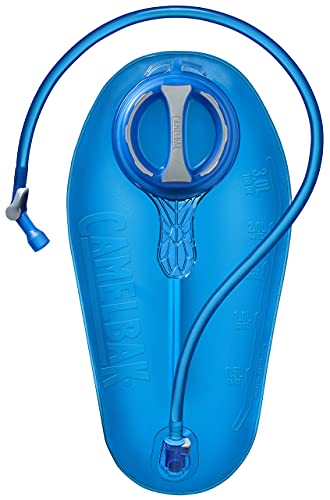
Pros
- Generous 3-liter (100 oz) volume suits long trail miles and dry hiking routes
- Bite valve self-seals cleanly to avoid wet gear inside or outside your pack
- Simple one-handed shutoff lever prevents unexpected tube leaks during transport
- Reliable wide-mouth cap design facilitates straightforward refilling and closing
Cons
- 18-inch length requires a full-sized daypack or backpacking pack with an appropriately sized hydration sleeve
- Carrying a full 3-liter load adds over 6.5 pounds of liquid weight to your overall pack base
- Does not include quick-disconnect hose fittings or an insulated tube cover
The CamelBak Crux 3L Hydration Reservoir is a high-capacity replacement or upgrade water bladder built for day hikers, backpackers, mountain bikers, and trail enthusiasts. Holding up to 100 fluid ounces (3 liters) of water, this reservoir is tailored for outdoor recreationists who need dependable hydration access on the move without constantly stopping to reach for external water bottles.
On the trail, hydration volume and flow rate directly impact stamina and convenience. The Crux bladder is engineered to deliver 20 percent more water per sip, allowing hikers to drink more efficiently on steep ascents or warm summer trails. Weighing roughly 0.52 pounds when empty and measuring 18 x 9 x 3 inches, the bladder carries a significant volume of fluid while maintaining a profile designed to slide vertically into dedicated pack sleeves.
Construction centers on trail-ready reliability and drip prevention. The reservoir features an ergonomic cap engineered to open and close smoothly without cross-threading, reducing the chances of accidental leaks inside your pack. Down along the drinking tube, an integrated on/off lever allows users to seal the flow with a single hand during transit, while the self-sealing Big Bite valve automatically closes after every sip to keep water from leaking onto your clothing or gear.
Integrating and maintaining the reservoir is straightforward for anyone familiar with hydration-compatible backpacks. The wide-mouth opening simplifies refilling from campground taps, backcountry filters, or trailhead spigots. Once filled, the bladder drops into an internal hydration compartment, and the tube routes through the pack shoulder harness. After hiking, the wide opening makes it easier to flush, wash, and prop open for complete drying between weekend outings.
Despite its solid feature set, prospective buyers should verify pack sizing and loaded weight before purchasing. At 18 inches long, the Crux 3L requires a daypack or backpacking pack with a generously sized internal sleeve; smaller minimalist packs or waist packs will likely find it too long. Additionally, carrying three full liters of water adds more than 6.5 pounds of liquid weight to your load, which may be more capacity than needed for short, casual outings.
For hikers and backpackers preparing for extended miles or warmer conditions, the CamelBak Crux 3L Hydration Reservoir provides a high-capacity, dependable water storage system. Its self-sealing bite valve, leak-resistant cap, and integrated flow shutoff make it a reliable choice for anyone whose backpack is equipped to handle a full 3-liter hydration bladder.
A 3-liter (100 oz) liquid capacity makes this reservoir an ideal choice for sustained backcountry mileage, dry section hikes, and warm-weather outings where frequent water sources are unavailable. This large capacity allows hikers to minimize time spent stopping to pump or treat water along the trail.
Flow delivery is enhanced through the Crux hose and bite valve configuration, which provides 20 percent more fluid per sip compared to older standard valves. The self-sealing Big Bite valve eliminates accidental dripping onto gear, while the inline shutoff lever allows instant, one-handed closure to keep water secure inside the line during travel or transport.
Measuring 18 inches long, 9 inches wide, and 3 inches deep when full, this reservoir is sized to match standard 3-liter internal sleeves in most medium-to-large daypacks and multi-day backpacking packs. Hikers should verify their backpack's internal compartment dimensions prior to purchase, as compact running vests and small lumbar packs generally lack the height required for an 18-inch bladder.
Weighing approximately 0.52 pounds empty, the reservoir adds minimal base weight to your setup. However, filling it to its full 100-ounce capacity adds approximately 6.5 pounds of water weight, so users should adjust water levels to match their specific trip duration and expected resupply points.

Pros
- Generous 3.5-inch opening accommodates ice cubes and makes reaching inside for thorough cleaning easy.
- Quick-release detachable hose with auto shut-off prevents leaks when removing the reservoir from a pack.
- Compact 14.2 x 6.8 inch profile fits neatly into most standard hiking daypack hydration compartments.
- Clear bite valve design with manual on/off switch prevents accidental dripping during transit.
- Wide operating temperature tolerance (-20 to 50 degrees Celsius) supports cold-weather or warm-weather trail outings.
Cons
- Screw-cap style closure may be harder to seal properly if threads are cross-threaded compared to slide-top closures.
- Maximum temperature limit of 50 degrees Celsius (122 degrees Fahrenheit) means it cannot handle boiling water for cleaning or hot beverages.
- At 14.2 inches long, it requires verifying pack hydration sleeve dimensions before purchasing for compact lumbar packs or small vests.
The KUREIDA 2-Liter Hydration Bladder is a standalone water reservoir engineered to integrate with hydration-compatible daypacks, backpacking packs, running vests, and cycling bags. Built for outdoor recreation, it offers day hikers, trail runners, weekend campers, and backpackers a practical way to carry hands-free water on the trail. Rather than functioning as a pack itself, this bladder acts as a central hydration engine for any pack equipped with a dedicated internal sleeve and hydration hose routing port.
On the trail, the reservoir provides a balanced 2-liter liquid volume inside a vertical profile measuring 14.2 inches long by 6.8 inches wide, weighing approximately 0.51 pounds empty. That sizing makes it compatible with a wide variety of small-to-midsize daypacks without taking up unnecessary interior pack volume. The included drinking hose measures 40 inches in length with a 0.4-inch diameter, giving users plenty of reach to route through shoulder-strap loops and hydration ports on either the left or right side of a pack. Additionally, the reservoir is rated for liquid temperatures ranging from -20 to 50 degrees Celsius, which allows for chilled ice water on sweltering summer trails or cool fluids in near-freezing conditions.
In terms of build quality, the bladder is manufactured from BPA-free and taste-free materials featuring double-welded perimeter seams designed to resist bursting under pack pressure. The bladder has passed pneumatic pressure testing to ensure integrity when compressed inside a stuffed pack compartment. At the drinking end, a soft silicone bite valve pairs with an easily accessible manual on-and-off flow switch to prevent unintended drips when the pack is dropped at rest stops. The base connector utilizes a quick-release mechanism with an automatic shut-off valve, allowing hikers to detach the tube instantly while leaving the bladder sealed and full of water inside or outside the pack.
Daily handling and maintenance are noticeably straightforward thanks to the 3.5-inch wide-mouth screw cap. This expansive port makes quick refills from trailhead faucets, campground spigots, or backcountry water filter bags hassle-free, while also allowing hikers to drop in standard household ice cubes directly from an ice dispenser. Cleaning after a hike is equally practical because the opening is broad enough to accommodate an adult hand or standard bottle brush to scrub the smooth interior walls. Storing or pre-chilling the reservoir is simple since the hose can be unclipped so the filled body sits flat inside a refrigerator or cooler without a cumbersome tube wrapping around items.
While the reservoir provides strong core functionality, there are practical trail considerations to keep in mind. The screw-top lid requires careful alignment to avoid cross-threading, which can lead to leaks if not screwed down completely flat before slipping the reservoir into a backpack. Additionally, with an upper temperature threshold of 50 degrees Celsius (122 degrees Fahrenheit), the bladder cannot be filled with boiling water for purification or heated for hot camp beverages. Buyers should also verify that their daypack sleeve accommodates a 14.2-inch vertical height, as smaller lumbar packs or compact trail vests may require shorter, wider bladder shapes.
For budget-conscious day hikers, weekend trail walkers, and cyclists looking for an accessible replacement bladder, the KUREIDA 2-Liter Hydration Bladder offers solid baseline performance. The combination of a generous 3.5-inch opening, quick-release auto-shutoff hose, and included cooling towel delivers reliable trail hydration without forcing you into an expensive proprietary ecosystem.
The KUREIDA 2-Liter Reservoir features a 40-inch drinking tube with a 0.4-inch diameter designed to maintain a consistent water flow during uphill climbs and active trail runs. The tube connects to the bladder base via a quick-disconnect port equipped with an automatic shut-off valve. This allows hikers to unclip the hose for refilling or cleaning without having water spill out of the main reservoir chamber.
At the drinking terminal, the soft bite valve activates with gentle tooth pressure, while a built-in lever lets you manually lock off water flow entirely. This dual-action design provides an extra layer of leak prevention when resting your backpack against rocks, storing it horizontally in a vehicle, or packing extra gear tightly against the hydration sleeve.
Maintaining the KUREIDA water bladder is streamlined by its oversized 3.5-inch screw-cap opening. The wide aperture allows direct access for a hand, sponge, or bottle brush, ensuring you can thoroughly clean the smooth inner surface without specialized bladder cleaning kits. The wide mouth also makes it simple to add ice cubes directly from an ice dispenser or freezer tray for hot summer hikes.
For long-term hygiene and drying, detach the quick-release hose and let both components air dry completely before storing. Because the reservoir material is rated for temperatures between -20 and 50 degrees Celsius (-4 to 122 degrees Fahrenheit), avoid using boiling water or dishwashers, and rely on warm soapy water or dedicated reservoir cleaning tablets to keep the taste-free interior fresh.

Pros
- Comes complete with a 2L BPA-free PEVA reservoir and insulated compartment
- Featherlight 1.1 lb total weight minimizes strain during active trail use
- Wide chest strap adjustment range from 22.4 to 61 inches supports versatile fit options
- External clips and reflective detailing provide practical utility for multi-sport use
Cons
- Slim profile and four-pocket layout offer minimal capacity for bulky cold-weather clothing or camping gear
- Lacks a padded load-bearing hip belt, limiting its support to lightweight hydration loads
- Fabric and pocket construction do not include a dedicated rain cover for torrential downpours
The Maelstrom Hydration Backpack is a lightweight hydration pack and running vest hybrid built specifically for fast-paced day hikers, trail runners, cyclists, and fitness enthusiasts who require easy, hands-free water access. Featuring a streamlined profile and an empty weight of just 1.1 lbs, this pack caters directly to outdoor recreationists seeking fluid capacity without the bulk, weight, or complexity of a heavy internal-frame backpack.
Hydration management is central to the design, anchored by an included 2L BPA-free PEVA water bladder. The pack features an aluminum-lined hydration sleeve engineered to provide insulated cooling, helping maintain refreshing fluid temperatures in warmer outdoor conditions. Dedicated shoulder strap ports allow straightforward routing for the hydration hose, keeping the bite valve close at hand for quick sips while maintaining stride on the trail.
Constructed from durable nylon fabric, the pack incorporates four exterior storage pockets that separate keys, snacks, wallets, and phones. For multi-sport versatility, external attachment clips accommodate a bike helmet when transitioning off two wheels, and reflective strips enhance visibility along dawn, dusk, or roadside sections. Against the back, a ventilated panel encourages air movement between the user and the pack to help mitigate sweat build-up during intense climbs.
Achieving a secure fit is managed by an adjustable chest strap system spanning an expansive range of 22.4 to 61 inches, offering compatibility across many body shapes and clothing layers. Daily operation is simple: fill the 2L bladder, seat it in the insulated compartment, route the tube through the harness ports, and secure the chest buckle. Post-trip maintenance involves rinsing the PEVA bladder, allowing it to air-dry thoroughly, and spot cleaning the nylon pack body.
While this pack excels on fast outings, it carries specific volume limitations. With its slim silhouette and four-pocket layout, storage space is strictly intended for small essentials rather than extra insulation layers, cooking gear, or emergency shelters. Additionally, while the chest strap stabilizes the upper body, the pack lacks a padded, load-bearing hip belt, making it unsuitable for heavier loads or multi-day backpacking trips.
For hikers, runners, and active commuters who prioritize hydration access and minimal pack weight over heavy gear volume, the Maelstrom Hydration Backpack delivers straightforward utility. Its combination of an insulated bladder sleeve, included 2L reservoir, wide chest adjustment, and ventilated back panel makes it a solid, dependable option for everyday trail training and short day hikes.
The Maelstrom hydration pack comes ready for trail use with an included 2L water bladder constructed from BPA-free PEVA material. The bladder compartment features an aluminum lining designed to deliver thermal insulation, helping to keep water cool during high-temperature outdoor activities.
Integrated hose ports on the shoulder straps allow for straightforward drink-tube routing on either side, providing reliable hands-free hydration. Hikers should ensure the reservoir is fully rinsed, drained, and dried between trips to prevent moisture retention and keep the PEVA material fresh.
This pack features an adjustable chest strap system with a sizing range spanning from 22.4 inches to 61 inches. This broad adjustability allows the pack to sit comfortably over thin summer running shirts as well as thicker winter layers.
At a total weight of approximately 1.1 lbs, the vest rests lightly against the torso. The rear section is backed by a ventilated panel to encourage airflow, helping active hikers and runners stay comfortable across variable terrain.
Defining the Hydration Bladder in Endurance and Trail Running
A hydration bladder for running is a specialized flexible reservoir engineered to carry potable water comfortably against the runner’s back while delivering fluids through a hands-free drink tube. Unlike rigid water bottles that bounce in handheld grips or waist belts, running bladders conform directly to the curvature of the spine inside a snug running vest or lightweight pack. The system allows an endurance runner to hydrate continuously without interrupting their stride, arm swing, or pacing cadence. By collapsing inward as liquid is consumed, a quality running reservoir actively limits fluid sloshing, making it an essential piece of equipment for mountain running and ultra-distance trail training.
Anatomical Components of a Running Hydration System
Every dedicated running reservoir consists of four primary mechanical elements that work together under constant motion. The core body is constructed from flexible, taste-free films such as food-grade thermoplastic polyurethane or durable PEVA materials. These materials must provide high tensile strength and puncture resistance while remaining supple enough to mold against the body. Welded perimeter seams reinforce the bladder edges, preventing bursts when compressed inside a tight pack during rapid downhill running.
Connected to the base of the reservoir is the drinking tube, which channels water up to the runner’s shoulder harness. Premium systems feature detachable quick-release couplers with auto-shutoff check valves that seal automatically when the tube is unplugged. This modular connection allows athletes to pull the bladder out for refilling without unthreading the hose from the shoulder strap ports. Standard running hoses measure roughly forty inches in length, offering enough slack for natural head movement while maintaining a clean profile across the chest.
At the terminal end of the hose sits the bite valve, which acts as the runner’s personal fluid portal. Modern bite valves use soft, food-grade silicone sheaths with a self-sealing slit that opens under light dental pressure and closes automatically when released. Many trail models also integrate a manual on and off shutoff lever directly behind the mouthpiece. This secondary mechanical lockout prevents accidental leakage if the valve gets pinned beneath an arm or compressed against running vest fabric.
How Running Reservoirs Differ from Traditional Hiking Bladders
Volume capacity represents the most immediate difference between running bladders and standard hiking reservoirs. While backcountry hikers often pack expansive three-liter reservoirs like the CamelBak Crux 3L Hydration Reservoir to survive dry stretches between distant springs, runners generally favor two-liter or one-and-a-half-liter designs. Extra water weight creates noticeable vertical bounce with each foot strike, accelerating muscular fatigue across the shoulders and lower back. Limiting capacity to two liters provides ample hydration between aid stations while keeping overall pack weight manageable.
Dimensions and internal profiles also separate running bladders from bulky camp storage bags. Running reservoirs feature elongated, slender footprints designed to stay centered between the scapulae without protruding into the armpits. A reservoir measuring around fourteen inches long by seven inches wide fits securely within the narrow rear sleeves of athletic vests. This narrow geometry ensures that vigorous arm swings remain completely unobstructed on steep climbs or technical rocky descents.
The suspension and anchor interfaces must also withstand aggressive vertical displacement. Hiking packs rely on simple top hooks, but running vests require multi-point loops or sleeve friction to prevent the bladder from slumping as it empties. When a reservoir collapses downward, it bunches at the lumbar region and alters the runner’s center of gravity. Dedicated running systems use reinforced top grommets and tight elastane sleeves to keep the reservoir upright from the first mile to the finish line.
Fluid Dynamics, Slosh Reduction, and the Burping Technique
Fluid movement inside a partially filled container presents a unique mechanical challenge during running. When air is trapped alongside liquid, every foot strike causes the water to surge violently against the interior walls. This rhythmic sloshing is not merely noisy; the shifting mass actively disrupts forward momentum and causes pack chafing across the ribs. Rigid plastic bottles cannot solve this problem because air must enter to replace consumed fluid.
Flexible bladders offer a mechanical advantage through a procedure known among trail runners as burping the reservoir. After filling the bladder and sealing the closure, the runner turns the unit upside down so the air bubble migrates to the hose port. By gently drawing suction through the bite valve, the runner extracts all trapped air until pure water enters the tube. With no internal air pocket remaining, the flexible bladder film collapses flush against the water surface, virtually eliminating slosh noise and unwanted pack oscillation.
Internal baffles further enhance fluid stabilization in advanced athletic reservoirs. A central weld or dividing wall creates dual vertical columns that prevent water from pooling entirely on one side of the pack during cambered trail running. This flattened profile maintains an even distribution of weight across the runner’s upper back. Maintaining balanced weight distribution prevents uneven shoulder fatigue and preserves natural running posture over long distances.
Bite Valve Ergonomics and High-Flow Mechanics on the Move
Breathing heavily during high-cadence running makes fluid intake far more difficult than sipping leisurely while strolling. When heart rates rise, an athlete cannot afford to spend multiple respiration cycles fighting high draw resistance from a restricted valve. Running bite valves require soft silicone that responds instantly to light pressure without causing jaw strain. A wide internal fluid path allows the runner to swallow a substantial volume in a single breath before resuming their breathing rhythm.
High-flow engineering plays a central role in modern reservoir utility. Systems like the CamelBak Crux 3L Hydration Reservoir highlight designs that deliver up to twenty percent more water per sip, reducing the effort needed to hydrate under exertion. The self-sealing Big Bite valve prevents drips between gulps, keeping moisture off the runner’s clothing and shoes. Quick shutoff levers provide single-handed operation, allowing athletes to seal the line without breaking stride or looking away from the trail surface.
Lockout switches also guard against accidental fluid loss when transitioning through crowded trailheads or scrambling over rocky terrain. If an unlocked bite valve gets pressed against a sternum strap or hydration vest pocket, water can siphon steadily into the runner’s clothing. Engaging the physical on and off lever eliminates this risk entirely during technical mountain sections. Verifying that your valve has a dependable shutoff mechanism is essential before embarking on long backcountry routes.
Pack Integration and Insulated Temperature Control
How a bladder integrates with running apparel directly impacts comfort and thermal regulation. Running vests position the reservoir directly against the athlete’s spine, separated only by thin mesh and nylon fabrics. As a result, body heat quickly warms the drinking water during warm summer efforts. Conversely, in freezing winter conditions, cold ambient air quickly chills the exposed drinking tube and can freeze the bite valve solid.
Specialized gear solutions incorporate thermal barriers to stabilize fluid temperatures. Products like the Maelstrom Hydration Backpack with 2L Water utilize an aluminum-lined bladder sleeve that reflects radiant heat away from the reservoir. This insulated compartment helps maintain cooler drinking water during summer outings while protecting the runner’s back from icy condensation. Ventilated back panels constructed from breathable mesh promote airflow, reducing moisture buildup between the pack and the runner’s technical shirt.
Chest harness adjustment is equally important for keeping the hydration pack stable on technical terrain. Multi-point sternum straps spanning chest circumferences from twenty-two to sixty-one inches ensure that the reservoir remains glued to the torso without restricting rib cage expansion. When transitioning from high-tempo training to longer backcountry excursions, choosing an affordable hiking backpack with a dedicated hydration sleeve allows runners to carry extra nutrition and warm layers. Proper strap tension prevents lateral shifting that could otherwise lead to painful friction hot spots.
Trail Refill Efficiency and Aid Station Logistics
Refueling speed is critical when competing in timed trail races or hitting strict pacing goals on remote loops. Running bladders feature large fill ports that allow fast pouring from pitchers, water coolers, or natural backcountry filters. The KUREIDA Hydration Bladder 2 Liter Leak Proof Water incorporates a wide three-point-five-inch screw-on cap that opens and closes with minimal turns. This generous opening makes it easy to add ice cubes directly from aid station coolers, keeping fluids refreshingly cold on scorching summer days.
Detachable hose systems significantly streamline the entire refill sequence. With an auto-shutoff quick-release valve at the reservoir base, you can pop the bladder out of your vest without unthreading forty inches of drinking tube from shoulder loops. The base valve seals instantly, ensuring not a drop leaks onto your dry clothing while you carry the reservoir to the water source. Once refilled, the hose clicks back into place with a positive tactile snap, confirming a watertight seal.
Temperature tolerance ratings determine what fluids you can safely carry on the trail. Reservoirs engineered to handle temperatures from minus twenty to fifty degrees Celsius can withstand freezing winter chills as well as warm electrolyte mixes. Heavier expedition gear such as an internal frame trail pack demands structured weight transfer, whereas running setups prioritize pliable, body-hugging comfort. Checking temperature thresholds ensures you do not inadvertently compromise seam welds by adding hot water during pre-race preparations.
Hygiene, Odor Prevention, and Post-Run Reservoir Maintenance
Running bladders require prompt attention after sweaty workouts, especially if you mix carbohydrate drinks or electrolyte tablets with your water. Leaving sugary residue inside a sealed reservoir creates an ideal breeding ground for biofilm and dark mold colonies. Rinsing the bladder with lukewarm tap water immediately upon returning home prevents sticky sugars from hardening inside the valve mechanism. A thorough rinse preserves the taste-free properties of BPA-free films and prevents persistent sour odors.
Deep cleaning protocols should always follow manufacturer guidelines to protect plastic integrity. Avoid boiling water or harsh household bleach, as intense heat and caustic chemicals can warp polyurethane seams and degrade silicone bite valves. Instead, use mild dish soap, diluted white vinegar, or dedicated reservoir cleaning tablets dissolved in warm water. A wide top opening allows easy access for bottle brushes to scrub every internal corner and smooth surface.
Drying the system completely before storage is the single most effective defense against microbial growth. Moisture trapped in the corners of a flat bladder or inside a narrow forty-inch hose will quickly turn stale. Prop the reservoir open using a specialized drying frame, clean kitchen tongs, or a clean dry towel to facilitate internal airflow. Storing the fully dried bladder in the freezer between weekend trail sessions is an effective way to keep bacteria from multiplying.
Practical Criteria for Choosing a Running Bladder Setup
Selecting the right hydration reservoir requires balancing liquid capacity against your typical trail distances and climate conditions. A two-liter bladder provides the sweet spot for most runners, offering enough hydration for two to three hours of moderate exertion without excessive weight. If your routes feature frequent aid stations or reliable mountain streams, carrying only one liter reduces total pack mass and sharpens your agility. Matching your water load to the distance prevents unnecessary fatigue on steep trail ascents.
Compatibility between your chosen reservoir and running vest is equally vital for a bounce-free run. Measure your vest’s rear compartment before purchasing to ensure the bladder dimensions, such as a fourteen-inch length and seven-inch width, slide in without bunching. Check that the hose exit ports align cleanly with your shoulder harness routing loops and magnetic clips. A secure, well-matched hydration system remains silent, stable, and completely unobtrusive, allowing you to focus entirely on trail navigation and pacing.
Understanding the running definition of a hydration bladder clarifies why these hands-free systems remain a staple of endurance athletics. By combining flexible materials, slosh-reducing mechanics, and high-flow bite valves, running reservoirs provide continuous hydration with minimal disruption to your stride. Testing your pack fit, verifying valve lockouts, and mastering the air-burping technique will ensure your reservoir performs flawlessly on every trail adventure.


Write Your Review
No reviews yet. Be the first to share your experience!