


Packing for a long trek often leads outdoor enthusiasts to fill their water reservoirs the night before departure. Leaving standing water trapped inside an enclosed reservoir, however, raises critical questions regarding bacterial growth, plastic taste transfer, and overall hygiene. Understanding how long can you leave water in a hydration bladder helps you avoid drinking stale fluids or dealing with stubborn mildew buildup in your drinking tube. Many hikers who pair their reservoirs with specialized pack systems, such as insulated backpack cooler designs, discover that temperature management plays a substantial role in maintaining freshness.
Moisture left inside closed thermoplastic reservoirs creates an ideal environment for biological film to take hold over time. While modern taste-free materials help prevent chemical odors, stagnant water eventually degrades in taste and safety regardless of reservoir quality. Knowing the exact limits for room temperature, refrigeration, and trail storage ensures your hands-free hydration system remains fresh and ready for miles of hard effort.

Pros
- Wide screw-cap opening makes refilling, interior cleaning, and loading refrigerator ice cubes quick and simple.
- Detachable quick-release hose connection shuts off automatically, so the reservoir stays sealed when the tube is unplugged.
- Protective dust cover keeps the bite valve clean when navigating dusty trail sections or laying your pack on the ground.
- Pneumatic pressure testing and double-sealed perimeter seams offer reliable leak prevention inside pack compartments.
Cons
- Operational temperature range of 20 to 50 degrees Celsius means it is not rated for freezing winter conditions or boiling liquids.
- At 14.2 inches in length, it may be too tall for ultra-compact waist packs or specialized low-profile running vests.
- Screw-top cap design requires careful thread alignment to guarantee a complete seal compared to slide-top bladder closures.
The CHERAINTI 2L Hydration Bladder is a standalone hydration reservoir engineered as a direct replacement or upgrade for daypacks, backpacking packs, running vests, and cycling bags with built-in reservoir compartments. Sized at 14.2 inches long by 6.8 inches wide, it offers a versatile 2-liter capacity that fits standard hydration sleeves used by major outdoor pack brands. This setup works especially well for day hikers, trail runners, gravel cyclists, and backpackers who prefer drinking on the move rather than stopping to reach for water bottles.
On the trail, hydration flow and pack compatibility are critical, and the CHERAINTI reservoir delivers practical functionality. The 40-inch-long tube provides ample length to route through either left or right pack ports, securing neatly along shoulder harness webbing. With a 0.4-inch hose diameter and a soft bite valve, drawing water requires minimal effort during steep climbs or fast paces. The dry weight of 0.6 pounds adds negligible base weight to your loadout, making it a functional choice for weight-conscious hikers managing overall trail weight.
Durability and leak prevention are addressed through double-sealed side edges and pneumatic pressure-tested construction. The reservoir body is made of BPA-free material designed with a smooth interior to minimize residual plastic taste and resist residue build-up. The bite valve includes a tethered dust cover, an essential feature for keeping trail dust, grit, and mud off the silicone mouthpiece when setting your pack down at rocky overlooks or dusty rest stops.
Routine handling, filling, and cleaning are simplified by the oversized screw-on port. The wide diameter allows you to pour directly from taps, filter pumps, or water jugs without spilling, and it easily accommodates refrigerator ice cubes for warm-weather outings. Cleaning the bladder is straightforward because hands and standard bottle brushes can reach the interior corners. Furthermore, the quick-release hose mechanism features an automatic shut-off valve, which allows you to detach the tube and leave it routed through your pack straps while taking the reservoir to a water source or placing it in a refrigerator.
Hikers should note realistic operational limits before heading out. The reservoir is rated for temperatures between 20 and 50 degrees Celsius, which means it is not intended for sub-freezing winter mountaineering where hose freezing or brittle plastics occur, nor should it be filled with boiling water for sanitization. Additionally, buyers with compact hydration waist packs or ultra-short running vests should verify that their hydration compartment accommodates the 14.2-inch vertical height to avoid bunching or kinked feed tubes.
For hikers, cyclists, and weekend campers seeking an affordable, dependable 2-liter water reservoir replacement, the CHERAINTI Hydration Bladder offers solid performance. With its reliable auto-shutoff connector, leak-resistant seam construction, and convenient wide-mouth opening, it delivers essential hydration capability for everyday trail adventures.
The CHERAINTI 2L Bladder measures 14.2 inches in length by 6.8 inches in width, aligning with the standard sizing of 2-liter hydration sleeves found in most modern hiking daypacks and multi-day backpacks. Confirming the internal dimensions of your pack's hydration pocket before purchase ensures the bladder sits flat against your back panel without folding.
The included 40-inch drinking tube is long enough to route through upper pack exit ports and down shoulder-strap retainers on packs of various torso lengths. Because the quick-connect port automatically stops water flow upon disconnection, hikers can easily refill the bladder without unweaving the hose from shoulder harness clips.
Maintaining proper hygiene with the CHERAINTI reservoir is aided by the wide screw-cap opening, which allows direct interior access for cleaning brushes and sponge cleaning. The smooth inner surface helps prevent liquid residue and simplifies rinsing after use with plain water or hydration drink mixes.
To extend reservoir life and prevent mold growth, detach the 40-inch tube, prop the main bladder open to air dry completely between hikes, and store it in a cool, dry place. Always adhere to the stated 20 to 50 degree Celsius temperature range by avoiding dishwashers, boiling water, and freezer-based freezing cycles.
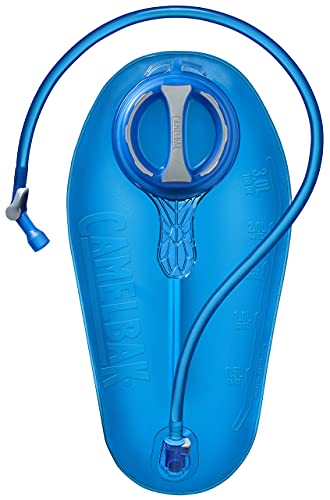
Pros
- Generous 3-liter (100 oz) volume suits long trail miles and dry hiking routes
- Bite valve self-seals cleanly to avoid wet gear inside or outside your pack
- Simple one-handed shutoff lever prevents unexpected tube leaks during transport
- Reliable wide-mouth cap design facilitates straightforward refilling and closing
Cons
- 18-inch length requires a full-sized daypack or backpacking pack with an appropriately sized hydration sleeve
- Carrying a full 3-liter load adds over 6.5 pounds of liquid weight to your overall pack base
- Does not include quick-disconnect hose fittings or an insulated tube cover
The CamelBak Crux 3L Hydration Reservoir is a high-capacity replacement or upgrade water bladder built for day hikers, backpackers, mountain bikers, and trail enthusiasts. Holding up to 100 fluid ounces (3 liters) of water, this reservoir is tailored for outdoor recreationists who need dependable hydration access on the move without constantly stopping to reach for external water bottles.
On the trail, hydration volume and flow rate directly impact stamina and convenience. The Crux bladder is engineered to deliver 20 percent more water per sip, allowing hikers to drink more efficiently on steep ascents or warm summer trails. Weighing roughly 0.52 pounds when empty and measuring 18 x 9 x 3 inches, the bladder carries a significant volume of fluid while maintaining a profile designed to slide vertically into dedicated pack sleeves.
Construction centers on trail-ready reliability and drip prevention. The reservoir features an ergonomic cap engineered to open and close smoothly without cross-threading, reducing the chances of accidental leaks inside your pack. Down along the drinking tube, an integrated on/off lever allows users to seal the flow with a single hand during transit, while the self-sealing Big Bite valve automatically closes after every sip to keep water from leaking onto your clothing or gear.
Integrating and maintaining the reservoir is straightforward for anyone familiar with hydration-compatible backpacks. The wide-mouth opening simplifies refilling from campground taps, backcountry filters, or trailhead spigots. Once filled, the bladder drops into an internal hydration compartment, and the tube routes through the pack shoulder harness. After hiking, the wide opening makes it easier to flush, wash, and prop open for complete drying between weekend outings.
Despite its solid feature set, prospective buyers should verify pack sizing and loaded weight before purchasing. At 18 inches long, the Crux 3L requires a daypack or backpacking pack with a generously sized internal sleeve; smaller minimalist packs or waist packs will likely find it too long. Additionally, carrying three full liters of water adds more than 6.5 pounds of liquid weight to your load, which may be more capacity than needed for short, casual outings.
For hikers and backpackers preparing for extended miles or warmer conditions, the CamelBak Crux 3L Hydration Reservoir provides a high-capacity, dependable water storage system. Its self-sealing bite valve, leak-resistant cap, and integrated flow shutoff make it a reliable choice for anyone whose backpack is equipped to handle a full 3-liter hydration bladder.
A 3-liter (100 oz) liquid capacity makes this reservoir an ideal choice for sustained backcountry mileage, dry section hikes, and warm-weather outings where frequent water sources are unavailable. This large capacity allows hikers to minimize time spent stopping to pump or treat water along the trail.
Flow delivery is enhanced through the Crux hose and bite valve configuration, which provides 20 percent more fluid per sip compared to older standard valves. The self-sealing Big Bite valve eliminates accidental dripping onto gear, while the inline shutoff lever allows instant, one-handed closure to keep water secure inside the line during travel or transport.
Measuring 18 inches long, 9 inches wide, and 3 inches deep when full, this reservoir is sized to match standard 3-liter internal sleeves in most medium-to-large daypacks and multi-day backpacking packs. Hikers should verify their backpack's internal compartment dimensions prior to purchase, as compact running vests and small lumbar packs generally lack the height required for an 18-inch bladder.
Weighing approximately 0.52 pounds empty, the reservoir adds minimal base weight to your setup. However, filling it to its full 100-ounce capacity adds approximately 6.5 pounds of water weight, so users should adjust water levels to match their specific trip duration and expected resupply points.

Pros
- Insulated neoprene hose sleeve provides temperature resistance against summer heat soak and freezing winter winds
- Quick-disconnect hose with automatic shut-off allows hassle-free filling and cleaning without re-routing the tube
- Wide 3.35-inch mouth fits ice cubes and makes reaching inside for thorough cleaning and drying straightforward
- Internal baffle keeps the reservoir flat against your back panel and minimizes water sloshing on trail
- Protective bite valve dust cap prevents trail dirt, mud, and dust from contaminating the silicone mouthpiece
Cons
- At 0.6 pounds, the thicker 0.4mm TPU film and insulated sleeve weigh slightly more than ultralight minimalist bladders
- The rigid screw-cap rim adds bulk compared to slim slide-top closures when sliding into packed hydration sleeves
- Generous 3-liter volume may exceed the reservoir sleeve capacity of compact running vests or small daypacks
The MARCHWAY 3L TPU Hydration Bladder is a dedicated hands-free hydration reservoir designed for day hikers, weekend backpackers, and multi-sport outdoor enthusiasts. Sized at 3 liters, this water reservoir serves as a direct replacement or capacity upgrade for worn-out bladder systems inside most hydration-compatible hiking daypacks, backpacking packs, and outdoor bags.
Out on the trail, managing water volume and pack stability is critical, and this bladder addresses those issues through practical design choices. An integrated internal center baffle prevents the 3-liter volume from ballooning into a barrel shape, keeping the reservoir flat against your pack frame while reducing water sloshing as fluid depletes. The neoprene sleeve wrapped around the flexible TPU hose provides thermal insulation, which helps mitigate warm water buildup under direct summer sun and delays tube freeze-ups during colder shoulder-season or winter excursions.
Durability centers on its 0.4mm-thick TPU film, engineered to resist punctures, pressure spikes, and abrasion when packed alongside bulky camp gear. The drinking tube connects via an automatic shutoff valve that instantly seals water inside the bladder when unplugged, allowing hikers to remove the reservoir for refills while leaving the hose routed through shoulder-strap loops. At the business end, a 360-degree rotating bite valve enables natural drinking angles, supported by a soft silicone mouthpiece, an on-off flow switch, and a fitted dust cap to keep trail grit away from your mouth.
Setup, filling, and routine maintenance are simplified by the generous 3.35-inch inner diameter screw-top opening. The integrated lower handle provides secure leverage for one-handed filling under faucets or gravity water filters, and the wide aperture easily swallows full-sized ice cubes. Between trips, the wide mouth allows you to reach inside with a sponge or towel, while the removable bite valve head permits straightforward tube flushing to keep your water tasting clean.
While feature-rich, this reservoir has practical limitations buyers should evaluate before purchasing. Weighing in at 0.6 pounds, the combination of thick 0.4mm TPU, dual mounting handles, and an insulated sleeve carries a modest weight penalty compared to ultralight hydration bladders. Additionally, the 3-liter volume and pronounced screw-top ring may be difficult to squeeze into compact trail running vests or ultra-slim daypack sleeves designed exclusively for 1.5-liter or 2-liter reservoirs.
For hikers, hunters, and backpackers seeking a reliable, high-capacity water bladder with cold and heat hose protection, the MARCHWAY 3L TPU Hydration Bladder delivers exceptional utility. It offers dependable leak prevention, straightforward trail-side filling, and easy post-trip sanitation at an accessible price point for any outdoor gear kit.
Hands-free hydration depends heavily on continuous, leak-free hose operation, which this reservoir addresses through its quick-release coupling and automatic shut-off mechanism. Hikers can disconnect the drinking tube instantly without spilling a drop, making it possible to leave the hose threaded through backpack strap guides while taking the reservoir to a water filter or tap.
The insulated neoprene wrap shields the kink-resistant TPU hose from extreme ambient temperatures, reducing the chance of freezing in sub-zero weather or delivering lukewarm mouthfuls during intense summer heat. The drinking assembly terminates in a 360-degree rotating soft silicone bite valve, which features a manual on-off shutoff switch to stop accidental leaks under pack compression, as well as an attached dust cap to shield the mouthpiece from trail debris.
Cleaning and drying a hydration bladder is critical to preventing odors and maintaining clean water taste. The MARCHWAY reservoir features an extra-large 3.35-inch inner diameter opening that accommodates adult hands, dish sponges, or drying towels, significantly speeding up routine cleaning compared to narrow-mouth bladders.
For thorough post-trip maintenance, the bite valve head detaches from the flexible TPU hose, allowing warm water flushing throughout the entire drinking line. After washing, propping the bladder open using its internal baffle and dual hang loops ensures air circulates completely, preventing moisture retention and prolonging the life of the TPU film.
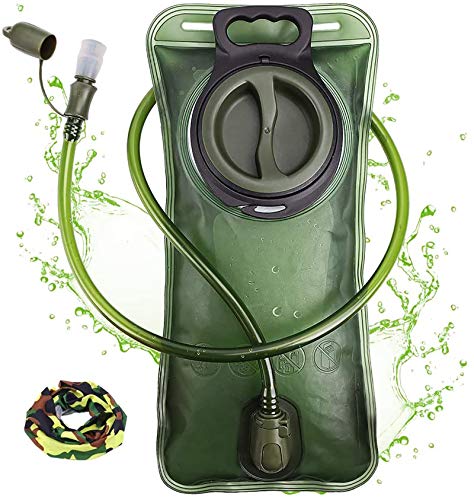
Pros
- Large 3-liter capacity minimizes the need for frequent refills on dry trail segments.
- Wide-mouth opening accommodates bottle brushes and ice cubes for straightforward maintenance.
- Auto-shutoff connector enables disconnecting the drinking hose without draining the reservoir.
- Integrated dust cover keeps the bite valve clean when resting packs on dusty ground.
Cons
- Screw-top cap mechanism adds a raised profile compared to flat slide-lock bladders.
- Manufacturer-stated liquid operating range of 20 to 50 degrees Celsius is not intended for boiling liquids.
- Overall length of 16.9 inches may be too tall for compact running vests or smaller lumbar daypacks.
The CHERAINTI 3L Hydration Bladder is an aftermarket water reservoir designed to fit inside the hydration sleeve of hiking daypacks, backpacking packs, cycling bags, and travel rucksacks. Holding three liters of water, it suits day hikers tackling sun-exposed routes, weekend backpackers seeking a central reservoir for camp use, and trail users replacing an old or leaking bladder without spending top-dollar brand premiums.
On the trail, physical dimensions play an essential role in how well a reservoir integrates with your pack. Measuring 16.9 inches long by 7.6 inches wide and weighing approximately 0.62 pounds empty, this bladder drops cleanly into vertical hydration compartments of mid-sized to full-sized hiking backpacks. The 40-inch long drinking hose with a 0.4-inch diameter provides ample length to route through hydration ports and down pack shoulder straps, giving hikers easy drinking access without halting their stride.
In terms of construction and hardware, the reservoir utilizes BPA-free materials assembled with double-sealed edge seams designed to resist pressure inside a fully packed bag. The connection port at the base incorporates a quick-release mechanism with an automatic shut-off valve. This allows you to disconnect the drink tube for packing or cleaning while the bladder remains full of water, preventing leaks inside your pack or refrigerator.
Refilling and cleaning are handled through the large screw-on fill port. The wide diameter accommodates large ice cubes and provides sufficient clearance to fit a hand or cleaning brush into the smooth-walled interior. The drinking end features a soft silicone bite valve with a mechanical on/off lever to prevent accidental dripping during transport, accompanied by a tethered protective dust cap that guards the mouthpiece against grit and trail debris.
Potential buyers should account for a few practical considerations. The circular screw-cap design creates a firmer, bulkier contact point against the pack back panel compared to flat slide-seal reservoirs, which can be noticeable in frameless packs. Additionally, the manufacturer-listed fluid temperature tolerance is 20 to 50 degrees Celsius, meaning the bladder is not rated for hot or boiling liquids. At nearly 17 inches in length, it may also bunch up in shallow running packs or small-capacity hydration vests.
For hikers, campers, and multi-sport outdoor enthusiasts looking for a budget-conscious, high-volume replacement reservoir, the CHERAINTI 3L Bladder provides practical hydration utility. Verify your pack sleeve dimensions before purchasing, but for standard daypacks and multi-day backpacks, it delivers dependable volume and straightforward cleaning.
The CHERAINTI bladder features an exterior footprint of 16.9 inches tall by 7.6 inches wide, requiring a pack hydration sleeve with at least 17 inches of vertical clearance for an unbunched fit. It works well with standard 20L to 65L hiking daypacks and multi-day backpacks that provide dedicated reservoir sleeves and shoulder-strap hose routing loops.
The included 40-inch hose provides plenty of reach from deep internal hydration sleeves out through top or side hose ports. Because the quick-disconnect fitting features an automatic shutoff valve, the bladder can be removed from your backpack for trailside refills while leaving the hose routed through your shoulder harness.
The large screw-cap opening provides direct hand access into the interior, facilitating thorough cleaning with warm water, mild soap, and a standard bottle brush. The smooth inner surface helps deter residue buildup between trail excursions.
To maintain product longevity, adhere to the manufacturer-listed liquid temperature range of 20 to 50 degrees Celsius (68 to 122 degrees Fahrenheit). Avoid using boiling water to sanitize the reservoir. After washing, prop the bladder open and hang it upside down until completely dry before storing it away.
Hydration Reservoir Water Storage: Timelines, Risks, and Maintenance
Safe hydration management requires understanding how time, ambient temperature, and water purity interact inside an airtight bladder. While pure municipal tap water contains residual sanitizers that temporarily suppress bacterial proliferation, enclosed plastic bladders cannot keep standing water fresh indefinitely. Outdoor adventurers must recognize the critical storage thresholds to protect their digestive health and prevent permanent damage to high-grade reservoir films. By pairing sound hygiene practices with equipment designed for rapid cleaning, you can enjoy clean hydration on every outing.
Safe Storage Timelines for Room Temperature, Refrigeration, and Freezing
Under standard indoor room temperature conditions, clean municipal tap water can safely remain in a clean hydration bladder for approximately twenty-four to forty-eight hours. After two days, the residual chlorine present in treated tap water begins to dissipate, leaving the standing liquid vulnerable to microbial colonization. If your pack sits in a hot vehicle or direct summer sunlight, this safe window drops sharply to under twelve hours. Stagnant warmth accelerates bacterial division and often causes flexible polyurethane films to impart an unpleasant chemical flavor to the water.
Placing a filled reservoir inside a household refrigerator substantially extends its usable storage life. When stored at temperatures near forty degrees Fahrenheit, clean tap water can remain fresh inside a sealed bladder for up to one full week. Detaching the drinking hose and sealing the connection port prevents moisture from sitting idle inside narrow valve passages during cold storage. Before drinking from a refrigerated bladder after several days, inspect the clarity of the water and take a test sip to verify that no stale odors have developed.
Freezing provides long-term preservation for several months, but it introduces distinct mechanical hazards for reservoir seams and fittings. Water expands by roughly nine percent as it transitions into ice, which can stretch radio-frequency welded seams or crack rigid plastic closure collars. If you decide to freeze your bladder, fill it only halfway to allow ample expansion space and lay it completely flat in the freezer. Always leave the bite valve and quick-disconnect ports free of trapped water to avoid freezing-related valve splits.
The presence of nutritional additives drastically shortens all safe storage timelines. If you mix electrolyte powders, carbohydrate drink mixes, or fruit flavorings into your bladder, discard any unused liquid within twelve to twenty-four hours. Simple sugars and minerals provide immediate fuel for wild yeasts, bacteria, and mold spores to colonize the bladder walls. Rinsing the reservoir immediately after completing an endurance workout prevents stubborn fungal colonies from embedding themselves inside the hose lining.
The Science of Stagnation: Biofilm, Mold, and Chemical Leaching
The primary biological threat in stagnant hydration reservoirs is the rapid formation of biofilm. Biofilm is a slimy matrix created by colonies of bacteria and microscopic fungi that adhere tenaciously to smooth polyurethane surfaces. Once this invisible layer establishes itself across the reservoir interior, standard tap rinsing is no longer sufficient to dislodge it. Consuming water contaminated with active biofilm can lead to mild digestive upset, stomach cramps, or nausea during outdoor activities.
Narrow drinking tubes represent the most vulnerable component of any hydration pack system. Because drink hoses are exposed to exterior ambient heat and body warmth radiating from your back panel, water sitting in the tube warms up rapidly. Trapped moisture combined with ambient light provides prime conditions for black mold spots to germinate along the inner hose wall. Routine back-blowing of water into the main bladder can keep the hose cleared during intense heat, but lingering moisture will still spoil if left idle for days.
Bite valves accumulate bacteria at an accelerated rate due to direct oral contact. Every time you bite down on a flexible silicone sheath to draw water, trace amounts of saliva and oral bacteria transfer onto the valve surface. These microbes migrate into the valve crevice and the inner shutoff mechanism, multiplying rapidly in the dark, damp enclosure. Without regular sanitization, the bite valve quickly becomes the primary source of foul smells and discoloration in your hydration setup.
Material quality heavily influences how standing water tastes over extended periods. Modern bladders crafted from premium thermoplastic polyurethane (TPU) that are certified free of BPA, BPS, and phthalates drastically reduce chemical off-gassing. Lower-grade plastic materials, however, often leach strong petroleum-like or plastic tastes into water when left standing for more than a few hours. Selecting high-grade taste-neutral reservoirs ensures your water retains a crisp flavor, provided you adhere to responsible storage schedules.
How Water Source and Quality Influence Reservoir Storage Life
The initial purity of the water you pour into your bladder dictates how long that water will stay safe to drink. Treated municipal tap water carries residual disinfectants such as chlorine or chloramines that actively retard microbial growth for forty-eight hours. Private well water, by contrast, frequently lacks chemical sanitizers and may contain benign mineral content that speeds up algal or fungal formation. Always consider the origin of your water supply before assuming a filled bladder can sit safely in your pack for a weekend trip.
Backcountry water collected from wilderness streams or alpine lakes requires extra caution even after field filtration. Portable microfilters and hollow-fiber squeeze filters effectively strip out protozoan cysts and bacteria, but they do not add residual chemical barriers. Because backcountry water contains natural organic compounds, filtered wilderness water can spoil more rapidly than treated municipal tap water. Hikers carrying filtered water inside supportive internal frame packs should plan to consume or replace their supply daily to prevent stagnation under warm trail conditions.
Chlorinated water left in a bladder for several days also tends to take on a stale, oxidized flavor as the chlorine breaks down. As chemical disinfectants degrade, microscopic spores that entered the reservoir during filling can finally begin to proliferate. This transition often occurs between the forty-eight and seventy-two-hour marks under typical indoor room temperatures. Discarding unused tap water after two days remains the safest rule of thumb for regular recreational users.
Recognizing Signs of Spoiled Water and Contaminated Bladders
Inspecting your hydration gear before every outing is an essential defensive routine against contaminated drinking water. Visual indicators provide the first and most obvious signal that stored water is past its prime. Look for haziness or cloudiness in the liquid, small floating debris, or discoloration along the seams and folds of the bladder body. If you spot dark green, black, or grey specks inside the drink tube or around the mouthpiece, mold has already taken root.
The physical texture of the inner bladder lining reveals the hidden presence of biofilm. Run your clean fingers along the interior walls of the reservoir through the main access opening. A clean bladder feels smooth, dry, and slightly squeaky, whereas a contaminated bladder feels slick, greasy, or slimy. Any noticeable slipperiness indicates an established layer of biological matter that requires a thorough chemical and mechanical scrub.
Olfactory and taste checks offer definitive proof of compromised water quality. Stagnant water develops a distinct swampy, musty, or sour smell that differs noticeably from fresh tap water. Never force yourself to drink water that exhibits a sharp plastic bite or sour undertone on the trail. Trust your senses and dump suspect fluids immediately, taking time to sanitize the bladder before refilling from a safe potable source.
Restoring and Sanitizing a Reservoir After Extended Water Storage
If you inadvertently left water inside your hydration reservoir for weeks, a comprehensive sanitization procedure is mandatory. Begin by completely disassembling every modular component of the hydration system. Remove the drink tube from the reservoir base using the quick-release mechanism or by twisting it carefully off the barbed fitting. Pull the soft silicone bite valve sheath off the plastic elbow, and separate any protective dust caps or on-off shutoff levers.
Prepare a food-grade sanitizing solution using warm water and safe household ingredients. A mixture of warm water and two tablespoons of sodium bicarbonate (baking soda) helps neutralize lingering odors and dislodges organic residues. Alternatively, a mild solution containing one part food-grade white vinegar to four parts warm water provides effective natural antimicrobial action. Specialized reservoir cleaning tablets formulated with sodium percarbonate also deliver deep sanitization without damaging sensitive polyurethane films.
Avoid using concentrated industrial cleaners, harsh chemical solvents, or high-strength chlorine bleach on your hydration gear. Harsh bleach can break down the molecular structure of flexible TPU films and degrade the elastic memory of silicone bite valves. Furthermore, never expose your bladder to boiling water that exceeds manufacturer thermal limits. Many high-durability TPU reservoirs are rated for liquid temperatures up to fifty degrees Celsius (one hundred twenty-two degrees Fahrenheit), meaning scalding water can warp seals and delaminate radio-frequency welds.
Mechanical scrubbing ensures that chemical sanitizers reach every corner of the bladder and hose. Use a long, flexible wire cleaning brush specifically designed for hydration tubes to scrub the full interior length of the hose. Bladders engineered with large openings allow a hand or standard bottle brush to scrub the inner reservoir corners thoroughly. Rinse all components repeatedly with clean lukewarm tap water until no residue or scent of the cleaning agent remains.
Proper Drying Protocols to Stop Mold Regrowth
Even a completely sanitized reservoir will rapidly grow mildew if residual moisture remains trapped inside its folded walls. Complete air drying is the single most critical step in preserving the lifespan of your hydration equipment. Hang the bladder upside down in an area with steady airflow, ensuring the opening stays propped wide open. Inserting a specialized reservoir drying rack, clean paper towel roll, or wire kitchen whisk inside the opening prevents the opposing plastic walls from sticking together.
Drinking tubes require deliberate attention to clear trapped water droplets clinging to the inner lumen. Swing the detached hose gently in a wide arc outdoors or over a sink to expel standing water through centrifugal force. Hang the hose vertically from one end so remaining condensation drains freely through the open bottom fitting. Squeeze the silicone bite valve slit open or remove the valve head entirely during drying to allow unrestricted airflow through the tip.
Storing dry reservoirs flat ensures they remain in peak condition between weekend hiking adventures. Clean, thoroughly dried reservoirs slide smoothly into pack compartments without bunching, making them ideal companions for budget hiking backpacks that feature dedicated internal hydration sleeves. Some experienced hikers place their clean, dry bladders inside the home freezer between outings. Sub-freezing environments completely arrest microbial growth, ensuring your gear stays sanitary even if microscopic traces of moisture linger.
Reservoir Engineering That Simplifies Maintenance and Freshness
The physical architecture of a hydration bladder significantly impacts how easily you can maintain sanitary water storage. Large opening designs, such as the screw-cap ports featured on CHERAINTI 2L and 3L bladders, make interior access straightforward for thorough hand scrubbing and adding ice cubes. Similarly, reservoirs with wide-mouth ports, such as the MARCHWAY TPU bladder with its 3.35-inch inner diameter, facilitate quick refilling and rapid interior air drying. CamelBak Crux 3L reservoirs feature ergonomic leak-proof caps that seal tightly in a fraction of a turn while providing ample room for cleaning brushes.
Quick-release hose couplings with automatic shutoff valves represent another crucial feature for maintaining water hygiene. Both MARCHWAY and CHERAINTI reservoirs incorporate quick-disconnect connectors that automatically seal when the drink tube is detached. This design lets you remove the tube for detailed scrubbing or cold refrigerator storage without spilling the contents of the filled bladder. Detachable hoses also pack neatly into gear bins without kinking or stressing the base connection point.
Internal baffling systems improve both carrying comfort and reservoir drainage. The MARCHWAY ultra-durable reservoir includes an internal center baffle that keeps the bladder flat, reducing water sloshing and pack bulging on steep trails. This low-profile profile prevents the bladder from deforming backpack harness frames while maintaining even fluid distribution. When drying baffled reservoirs, make sure to prop open both side chambers so air circulates around the central weld seam.
Premium bite valves equipped with manual shutoff levers provide vital protection against accidental leaks and microbial contamination. CamelBak Crux reservoirs utilize an on-off lever that lets you seal fluid flow with one hand, paired with a self-sealing Big Bite valve that stops drips. MARCHWAY reservoirs offer a 360-degree rotating soft bite valve with an integrated shutoff valve and a fitted dust cap to keep trail grime off the mouthpiece. A secure dust cover prevents trail dirt, dust, and insects from contacting the silicone surface when you set your pack on dusty ground.
Daily Trail Habits and Long-Term Storage Routines
Developing disciplined trail habits preserves the freshness of your water throughout multi-day backcountry trips. Purge air from your bladder after filling by turning it upside down and sucking the air pocket out through the bite valve. Removing excess air stops water from sloshing against your back and minimizes the surface area exposed to oxygen during hot ascents. If you camp near a clean water source, empty your bladder at night and refill it with fresh cold water in the morning.
Post-trip maintenance should never be postponed until the next outdoor excursion. Empty any remaining liquid as soon as you return home, rinse the interior with fresh tap water, and hang the components to dry. Stashing a damp reservoir inside a dark gear closet for even three days can ruin the taste-neutral properties of the film and foster black mildew. Taking five minutes to drain and ventilate your gear ensures dependable performance and protects your health on future outings.
Following proper timelines and sanitation practices transforms your hydration bladder into a reliable trail partner. Respect the forty-eight-hour limit for room-temperature tap water, dump electrolyte mixtures promptly, and clean all modular parts thoroughly. With sensible storage habits, clean water management, and quality gear, you can tackle demanding trails with complete confidence in your hydration system.


Write Your Review
No reviews yet. Be the first to share your experience!