


Negotiating steep elevation gains or rocky singletrack requires continuous hydration, yet fumbling with standard handheld bottles disrupts running cadence and balance. Endurance runners frequently ask what is a hydration bladder trail running setup and how a dedicated reservoir improves performance over variable terrain. A hydration reservoir consists of a flexible, puncture-resistant fluid container housed inside a running vest or pack, connected to an accessible drinking hose and a pressure-activated bite valve. This hands-free design lets runners sip fluids instantly without breaking stride, helping maintain consistent pacing and stable core balance across technical mountain sections.
Unlike rigid bottles that demand constant hand grip or create uneven torso loads, a dedicated bladder rests flat against the upper spine inside an integrated sleeve. When combined with supportive gear like insulated backpack cooler packs or running vests, these reservoirs stabilize liquid weight to minimize energy-wasting bounce. Modern systems incorporate wide access ports for fast electrolyte refilling, secure shutoff valves to protect gear from leaks, and durable food-grade materials engineered to eliminate chemical aftertastes. Understanding these core mechanical features helps runners select the right fluid setup for distances ranging from short morning loops to remote ultra-distance events.

Pros
- Wide top opening makes refilling, adding ice cubes, and scrubbing the interior straightforward
- Includes a bite valve shutoff switch and protective dust cover for cleaner trail use
- Self-locking joint design helps keep water sealed when attaching or detaching the hose
- Weighs approximately 0.42 pounds, minimizing empty base weight in your pack
- Cost-effective solution for replacing leaking or worn-out bladders in standard daypacks
Cons
- Does not include specialized drying clips or cleaning brushes in the single pack
- Specific exterior dimensions are not listed, requiring users to check narrow pack sleeves
- Shutoff switch on the bite valve may feel stiff during initial trail uses
The Mdvora 2L Hydration Bladder is a standalone water reservoir engineered to fit inside hydration-compatible backpacks, daypacks, cycling packs, and running vests. Designed for trail runners, cyclists, day hikers, and campers, this bladder serves as an accessible replacement reservoir or an entry-level hydration upgrade. Carrying 2 liters of fluid, it strikes a practical balance between fluid volume and manageable carry weight for typical short-to-medium outings.
On the trail, managing water supply efficiently without constantly stopping to pull bottles from side pockets is the main reason to carry a bladder. This 2L model holds roughly 67 fluid ounces, which fits standard hydration sleeves in most mid-sized daypacks and backpacking packs. The listed weight of roughly 0.42 pounds ensures you are not adding unnecessary bulk to your pack setup before filling it. Its self-locking joints and pressure-tested sealing are designed to withstand normal jostling during active running, hiking, and biking.
The bladder includes several practical hardware touches that improve everyday usability. A large opening at the top allows users to drop in full-sized ice cubes on warm summer hikes and makes scooping water or filling from standard taps hassle-free. The drinking hose connects via self-locking sealing joints, and the high-flow bite valve is equipped with an integrated on-off switch to guard against slow leaks while hiking. An attached dust cover shields the mouthpiece from dust, mud splashes, and trailhead dirt.
Setting up the reservoir requires threading the hose through your pack hydration port and securing the bladder upright in the internal hydration pocket or hanging loop. Cleaning and drying bladders can often be frustrating, but the wide opening on this Mdvora model allows cleaning kits or a clean towel inside to dry out moisture effectively. Thoroughly air-drying the bladder with the opening propped open prevents moisture buildup between trips, while the detachable parts make rinsing straightforward.
While this reservoir covers core trail hydration needs, buyers should keep a few practical considerations in mind. The manufacturer does not list exact length and width measurements, so owners of ultra-narrow running vests or compact lumbar packs should double-check their pack sleeve clearance. Additionally, this single pack does not come with cleaning brushes or specialized hanging clips, meaning you will need standard household drying methods or separate accessories for long-term reservoir care.
Overall, the Mdvora 2L Hydration Bladder offers a dependable, value-oriented solution for hikers, runners, and campers needing reliable hydration on the move. Its combination of a wide-mouth fill port, leak-resistant connection points, and an on-off bite valve with a dust cap makes it a sensible addition to almost any hydration-ready hiking daypack.
The Mdvora 2L reservoir is designed to sit inside standard internal hydration sleeves found in most daypacks, cycling bags, and backpacking packs. Its 2-liter capacity matches the most common hydration bladder compartment size across major outdoor daypack designs.
The drinking tube utilizes self-locking joints to maintain a reliable seal at the base of the reservoir, allowing for straightforward hose routing through backpack shoulder-strap ports. The bite valve delivers high water flow and features a manual lever switch to stop water from escaping when the pack is compressed or laid down at a campsite.
Routine care for hydration reservoirs is essential for long-term trail use and preventing trapped moisture odor. The standout feature of this bladder is its wide-mouth opening, which allows you to reach inside easily with a sponge, cloth, or standard reservoir cleaning brush.
After washing with mild soap and warm water, prop the bladder open to air-dry completely before storing it flat in a cool, dry place. The detachable bite valve and hose connection also simplify targeted rinsing after long weekend hiking trips.
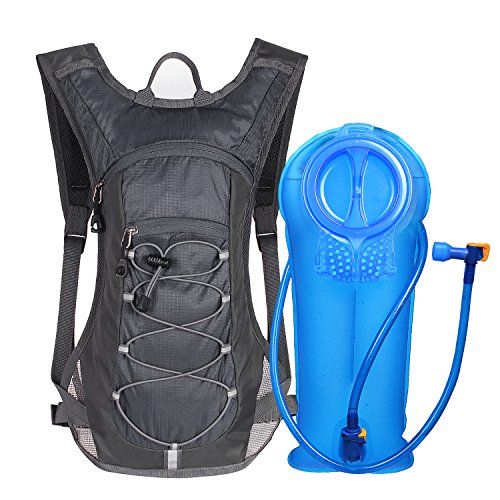
Pros
- Comes ready to use with an included 2-liter (70 oz) BPA-free hydration bladder
- Wide adjustment range securely fits chest circumferences from 27 to 50 inches
- Extremely lightweight at 1.1 pounds total carry weight
- Dual chest and waist strap system minimizes pack bounce during high-cadence movement
Cons
- Cargo storage is limited to a single small front pocket suitable only for keys or small snacks
- Splash-resistant nylon fabric is not waterproof and requires separate dry protection in heavy downpours
- Cannot accommodate bulky layers, cold-weather apparel, or extra trail equipment
The Unigear Hydration Pack is a minimalist, speed-focused hydration backpack designed primarily for day hikers, trail runners, and cyclists who prioritize on-the-move fluid access over heavy gear storage. Featuring a compact 16.5 x 8 x 6.0-inch profile and an included 2-liter (70 oz) BPA-free water bladder, this pack caters to outdoor enthusiasts who want a lightweight setup for shorter trail efforts, race training, or local bike rides.
Fit adjustability is a central feature of the harness system, which utilizes adjustable shoulder, sternum, and waist straps to secure the pack closely against the upper body. According to product specifications, the harness accommodates chest circumferences from 27 inches up to 50 inches, allowing it to fit teenagers, women, and men. The dual strap configuration across the chest and waist helps reduce pack bounce during brisk hiking or jogging, preventing excessive shifting while negotiating uneven trail terrain.
The included 2-liter hydration bladder features a standard screw cap that allows users to easily add small ice cubes before hitting the trail. An integrated back panel air flow system works alongside the reservoir compartment to promote steady air circulation, which helps keep drinking water relatively cool on warm-weather outings. Because the bladder is completely replaceable, users can swap it out or remove it to thoroughly clean and dry the reservoir between hikes.
Weighing just 1.1 pounds in total with the bladder installed, the pack is constructed from splash-resistant nylon fabric engineered to shed light rain and spray during fast-paced trail outings. Storage is purposefully streamlined, revolving around a single small front pocket designed specifically for high-priority pocket items like vehicle keys or a couple of energy bars. The exterior waist strap construction uses double built-in layering to improve wear and tear resistance against frequent trail use.
Potential buyers should be aware of this pack's strict cargo limitations before planning an outing. With storage restricted to the hydration bladder compartment and one compact front pocket, the pack cannot accommodate extra clothing layers, bulky first aid kits, or trail lunches. Furthermore, while the nylon shell is splash resistant, it is not seam-sealed or waterproof, meaning sensitive electronics should be stored in separate protective dry sacks during steady rain.
For hikers, runners, and mountain bikers seeking an economical, low-profile hydration carrier that includes a 2-liter reservoir, the Unigear Hydration Pack offers practical functional value. It performs best on fast-and-light outings, cardio trail workouts, and short day hikes where reliable fluid capacity and bounce-free stability are required without the bulk of a traditional daypack.
The Unigear Hydration Pack comes equipped with a removable 2-liter (70 oz) BPA-free hydration bladder. The reservoir incorporates a wide screw-cap opening designed to facilitate rapid filling and allow small ice cubes to be loaded directly into the water chamber for chilled drinking during warm outings.
The pack is engineered with an internal air flow system designed to encourage air circulation behind the water bladder compartment, helping to moderate water temperature during sustained activity. Because the bladder is fully removable, it can be disconnected for routine washing, drying, or replacement as needed.
The harness system on this hydration pack provides extensive sizing versatility, accommodating chest circumferences from 27 inches to 50 inches. This broad range allows the pack to comfortably fit youth, women, and men without requiring complex torso adjustments.
To maintain stability during high-cadence movement like running or mountain biking, the pack incorporates both an adjustable sternum strap and double built-in waist straps. Tightening these straps secures the pack flat against the spine, minimizing unwanted bounce, shifting, and friction on the trail.
Designed strictly for minimal-cargo endurance activities, this pack features a dedicated compartment for the 2-liter reservoir alongside a small external front pocket. The front zippered compartment is sized specifically for compact trail essentials such as car keys, an identification card, or one to two energy bars.
Because total internal capacity is dedicated almost entirely to water transport, hikers should not expect to carry bulky jackets, food containers, or standard hiking gear inside this pack. It serves as an ultra-compact hydration delivery system rather than a general-purpose daypack.
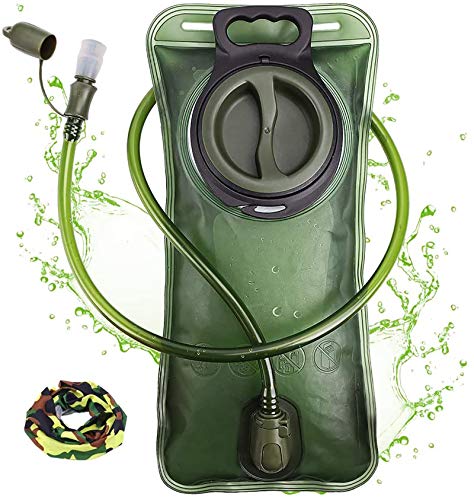
Pros
- Quick-release tube unclicks cleanly while retaining liquid, letting you leave the hose routed in your pack during reservoir refills
- Wide threaded opening makes filling ice and cleaning with a standard brush simple and fast
- Mouthpiece includes a snap-tight dust cover to keep dirt, sand, and trail debris off your bite valve
- Double-sealed edge construction offers dependable burst resistance when packed tight among hiking gear
Cons
- Operating temperature limit of 20 to 50 degrees Celsius makes it unsuitable for boiling water or freezing winter hikes
- The raised screw-cap collar adds rigid bulk that can feel tight in very narrow pack hydration compartments
The CHERAINTI 2L Hydration Bladder is a dedicated replacement water reservoir designed for hikers, backpackers, cyclists, and trail runners seeking a dependable, budget-friendly fluid delivery system. Engineered to slide into hydration-ready daypacks and internal-frame hiking bags, this bladder holds two liters (approximately 67.6 fluid ounces) of water. That capacity offers a practical balance between fluid endurance and manageable trail carry weight, avoiding the excessive bulk and sloshing of oversized bladders on moderate outings.
Trail usability centers around thoughtful plumbing and sensible dimensions. Measuring 14.2 inches long by 6.8 inches wide, the bladder fits neatly into the rear hydration sleeves of standard outdoor daypacks. Its 40-inch flexible drink hose features an ample 0.4-inch diameter for consistent, effortless water flow. A soft bite valve allows simple bite-to-sip operation, complemented by an on-off switch to stop drips during transit and a tethered plastic cap that prevents dirt or grit from contaminating your drinking surface on dusty trails.
In terms of build quality, the reservoir utilizes BPA-free, taste-free materials reinforced with double side-welded seams. The manufacturer subjected the construction to pneumatic pressure testing, ensuring the seams resist the internal pressure spikes that occur when stuffing gear, jackets, and food into a fully packed backpack. At the base of the reservoir, a quick-release connector houses an automatic shut-off mechanism, which holds water securely inside even when the drinking hose is detached.
Refilling and routine maintenance are made user-friendly thanks to the oversized screw cap. The wide mouth allows hikers to pour water from standard filters, drop full ice cubes straight in, or reach inside with a cleaning brush to scrub the slick internal surface. Because the drink tube unclicks instantly with a single button press, you can leave the hose routed through your backpack shoulder straps and carry only the bladder body to a campground spigot or water filter station.
There are a few functional limitations to keep in mind before heading into extreme environments. The manufacturer lists an operational temperature range of 20 to 50 degrees Celsius (68 to 122 degrees Fahrenheit), which means this bladder is not built for sub-freezing snowshoe treks or hot water sterilization. Additionally, the rigid plastic collar of the screw cap adds more profile thickness than roll-top slider bladders, which may require deliberate packing inside ultra-slim running vests or tight hydration pockets.
For day hikers, weekend backpackers, and outdoor enthusiasts seeking an affordable, leak-resistant water reservoir with modern quick-disconnect convenience, the CHERAINTI 2L Hydration Bladder serves as a dependable upgrade or spare component that reliably covers essential trail hydration needs.
The CHERAINTI 2L Hydration Bladder measures 14.2 inches in length and 6.8 inches in width, fitting the standard hydration compartment dimensions found across most mid-sized daypacks, overnight packs, and tactical packs. The top handle area integrates cutouts that align with standard hydration hook loops found in hiking packs, keeping the bladder suspended upright to prevent sagging as water levels drop.
A generous 40-inch drinking hose provides sufficient length to route through top pack ports and down shoulder straps on both small daypacks and taller backpacking frames. The quick-disconnect coupling at the base allows the hose to stay secured in your pack harness while you remove the bladder for refilling, avoiding the hassle of rethreading the tube at every water stop.
Routine cleaning is straightforward thanks to the wide fill opening, which is large enough to admit a hand, sponge, or standard bottle brush. After rinsing with mild soapy water, ensure the reservoir is thoroughly air-dried with the cap removed before storing it to keep the interior fresh and prevent moisture buildup.
Keep in mind the listed temperature tolerance of 20 to 50 degrees Celsius when washing or filling. Avoid pouring boiling water directly into the bladder or using heat-based drying appliances, as excessive heat can deform the plastic fittings or compromise seam seals over time.

Pros
- Includes a ready-to-use 2L hydration reservoir with a fast-flow locking bite valve
- Weighs only 8.5 ounces empty, making it exceptionally lightweight for active sports
- Dual shoulder-strap mesh pockets provide quick-access storage without taking off the pack
- Sliding sternum strap offers 5.5 inches of vertical adjustment for an adaptable chest fit
Cons
- Compact 12-liter volume does not accommodate bulky cold-weather apparel or extensive backcountry kits
- Frameless design and lack of a padded load-bearing hip belt make it unsuitable for heavy cargo approaching the 25-pound rating
The N NEVO RHINO 12L Hydration Backpack is a minimalist, vest-inspired daypack engineered specifically for high-cadence outdoor activities. Built for day hikers, trail runners, mountain bikers, and music festival attendees, this pack centers around self-contained hydration and nimble mobility. Its compact 12-liter footprint provides just enough cargo volume for a light outer layer, emergency essentials, and snacks, making it ideal for those who prefer moving light and fast without the heft of a standard daypack.
On the trail, weight management is the primary highlight. At an empty weight of just 8.5 ounces (0.53 pounds), the pack adds virtually no baseline burden before adding water and gear. The harness system features shoulder straps that adjust from 19 to 34 inches in length, complemented by an integrated sternum strap with 2.4 to 7.9 inches of vertical sliding range. This dual adjustment helps keep the pack planted against the upper back during jogging or descending technical trails. Along the rear surface, a soft air-mesh back panel creates a permeable barrier against your shirt to facilitate passive airflow during warm-weather outings.
In terms of construction, the exterior utilizes a PU-coated nylon fabric specified to resist tearing and shed light surface moisture. The manufacturer rates the overall chassis to bear up to 25 pounds, though typical hydration loads will stay far below that mark. A bidirectional zipper operates the main compartment, which houses the included 2-liter hydration bladder. Crafted from BPA-free, food-grade PEVA material, the reservoir incorporates a designated hose clamp and a locking, leakproof bite valve designed to supply consistent fluid flow without accidental dripping when locked shut.
Organization is geared toward quick trail-side handling. Alongside the primary bladder compartment, the pack includes smaller front zippered storage compartments for maps or personal items, as well as dual exterior side mesh pouches that can hold compact umbrellas, secondary water bottles, or small accessories. For immediate access on the move, N NEVO RHINO integrated two stretch mesh pouches directly onto the shoulder straps, keeping items like a smartphone, keys, or energy gels available without needing to unbuckle the harness.
Despite its convenience, the pack carries clear design limitations inherent to its ultralight category. With a 12-liter maximum capacity, it cannot accommodate bulky insulated layers, extensive first-aid kits, or multi-day backpacking gear. Furthermore, the frameless structure lacks a padded waist belt, meaning all carried weight rests squarely on the shoulders and upper torso. While the PU-coated fabric provides exterior water resistance against light mist, the pack lacks seam sealing and should not be treated as completely waterproof in torrential downpours.
For outdoor enthusiasts seeking an affordable, streamlined hydration carrier for local trail loops, gravel rides, or summer trail runs, the N NEVO RHINO 12L pack offers exceptional practical value. The combination of an included 2-liter bladder, featherweight nylon construction, and convenient shoulder-strap storage makes it a dependable entry-level choice for warm-weather, short-duration adventures.
The pack comes equipped with a dedicated 2-liter hydration reservoir manufactured from BPA-free, food-grade PEVA material. This volume provides ample water capacity for typical half-day hikes, medium-distance trail runs, and bike rides without requiring immediate refills.
To prevent trail leaks, the drinking tube is equipped with a hose clamp and a quick-action bite valve featuring a positive shut-off lock. The main pack compartment utilizes a bidirectional zipper layout that allows easy hose routing over either shoulder, while the bladder sleeve keeps the reservoir positioned vertically against the back panel to prevent shifting.
The harness system is tailored for adult wearers, featuring multi-adjustable shoulder straps that accommodate a range between 19 and 34 inches. This adjustment range allows users to position the 12-liter pack high and tight on the torso to reduce bounce during active movement.
Upper-body stability is maintained via a vertical-sliding sternum strap with an adjustment span of 2.4 to 7.9 inches. This vertical mobility allows both men and women to adjust the cross-chest tension around different torso shapes and clothing layers without pinching.
Storage is divided between a dedicated rear bladder pocket and forward-facing organization slots. The bidirectional main zipper opens smoothly to facilitate bladder installation, drying, and gear retrieval without snagging.
In addition to small front zippered compartments for wallet and keys, two exterior stretch mesh side pockets accommodate extra gear like small bottles or compact gear. Two dedicated mesh pockets on the front of the shoulder straps allow rapid retrieval of a smartphone, energy chews, or trail navigation devices while maintaining your stride.

Pros
- Comes complete with a 2L BPA-free PEVA reservoir and insulated compartment
- Featherlight 1.1 lb total weight minimizes strain during active trail use
- Wide chest strap adjustment range from 22.4 to 61 inches supports versatile fit options
- External clips and reflective detailing provide practical utility for multi-sport use
Cons
- Slim profile and four-pocket layout offer minimal capacity for bulky cold-weather clothing or camping gear
- Lacks a padded load-bearing hip belt, limiting its support to lightweight hydration loads
- Fabric and pocket construction do not include a dedicated rain cover for torrential downpours
The Maelstrom Hydration Backpack is a lightweight hydration pack and running vest hybrid built specifically for fast-paced day hikers, trail runners, cyclists, and fitness enthusiasts who require easy, hands-free water access. Featuring a streamlined profile and an empty weight of just 1.1 lbs, this pack caters directly to outdoor recreationists seeking fluid capacity without the bulk, weight, or complexity of a heavy internal-frame backpack.
Hydration management is central to the design, anchored by an included 2L BPA-free PEVA water bladder. The pack features an aluminum-lined hydration sleeve engineered to provide insulated cooling, helping maintain refreshing fluid temperatures in warmer outdoor conditions. Dedicated shoulder strap ports allow straightforward routing for the hydration hose, keeping the bite valve close at hand for quick sips while maintaining stride on the trail.
Constructed from durable nylon fabric, the pack incorporates four exterior storage pockets that separate keys, snacks, wallets, and phones. For multi-sport versatility, external attachment clips accommodate a bike helmet when transitioning off two wheels, and reflective strips enhance visibility along dawn, dusk, or roadside sections. Against the back, a ventilated panel encourages air movement between the user and the pack to help mitigate sweat build-up during intense climbs.
Achieving a secure fit is managed by an adjustable chest strap system spanning an expansive range of 22.4 to 61 inches, offering compatibility across many body shapes and clothing layers. Daily operation is simple: fill the 2L bladder, seat it in the insulated compartment, route the tube through the harness ports, and secure the chest buckle. Post-trip maintenance involves rinsing the PEVA bladder, allowing it to air-dry thoroughly, and spot cleaning the nylon pack body.
While this pack excels on fast outings, it carries specific volume limitations. With its slim silhouette and four-pocket layout, storage space is strictly intended for small essentials rather than extra insulation layers, cooking gear, or emergency shelters. Additionally, while the chest strap stabilizes the upper body, the pack lacks a padded, load-bearing hip belt, making it unsuitable for heavier loads or multi-day backpacking trips.
For hikers, runners, and active commuters who prioritize hydration access and minimal pack weight over heavy gear volume, the Maelstrom Hydration Backpack delivers straightforward utility. Its combination of an insulated bladder sleeve, included 2L reservoir, wide chest adjustment, and ventilated back panel makes it a solid, dependable option for everyday trail training and short day hikes.
The Maelstrom hydration pack comes ready for trail use with an included 2L water bladder constructed from BPA-free PEVA material. The bladder compartment features an aluminum lining designed to deliver thermal insulation, helping to keep water cool during high-temperature outdoor activities.
Integrated hose ports on the shoulder straps allow for straightforward drink-tube routing on either side, providing reliable hands-free hydration. Hikers should ensure the reservoir is fully rinsed, drained, and dried between trips to prevent moisture retention and keep the PEVA material fresh.
This pack features an adjustable chest strap system with a sizing range spanning from 22.4 inches to 61 inches. This broad adjustability allows the pack to sit comfortably over thin summer running shirts as well as thicker winter layers.
At a total weight of approximately 1.1 lbs, the vest rests lightly against the torso. The rear section is backed by a ventilated panel to encourage airflow, helping active hikers and runners stay comfortable across variable terrain.
The Anatomy and Function of Trail Running Hydration Reservoirs
A trail running hydration bladder is a specialized fluid reservoir engineered to supply continuous, hands-free hydration while remaining stable against the runner’s back during rapid physical movement. Constructed from flexible food-grade polymers such as thermoplastic polyurethane or polyethylene, the bladder collapses progressively as liquid is consumed, which prevents excessive air space and reduces fluid movement. A long, flexible drink tube routes over the shoulder directly to the runner’s chest, terminating in a bite-activated mouthpiece. This self-contained fluid delivery mechanism allows athletes to manage fluid intake continuously without pausing their stride, unzipping pack compartments, or holding bulky handheld bottles over long trail miles.
How Trail Running Hydration Bladders Operate
The mechanical operation of a hydration reservoir relies on fluid displacement created by negative pressure when the athlete draws water through the mouthpiece. As liquid exits the hermetically sealed bladder, the surrounding atmospheric pressure causes the flexible film walls to contract inward. This vacuum-driven collapse distinguishes bladders from rigid trail bottles, where air must enter to replace consumed fluid. Because the flexible container flattens during a run, fluid has minimal open space in which to generate momentum, keeping the runner’s center of gravity centered and calm.
The drink tube extends from the lower base of the bladder, ensuring runners can access every milliliter of water without inverting the pack or contorting their posture. Integrated routing loops along the vest shoulder straps keep the drinking hose secured against the chest, preventing annoying whip or bounce during downhill strides. Silicone mouthpieces feature pressure-sensitive slit valves that open cleanly when bitten and seal instantly upon release. Runners can take rapid micro-sips every few minutes, optimizing gastric emptying and preventing dehydration more effectively than consuming large gulps intermittently.
Reservoir Film Materials and Taste Neutrality
Modern hydration reservoirs utilize durable, food-grade materials such as thermoplastic polyurethane (TPU) and polyethylene vinyl acetate (PEVA) that remain free from bisphenol compounds like BPA. Premium films undergo radio-frequency welding along the perimeter boundaries, fusing the material at a molecular level to withstand significant internal pressure and pack compression. Products like the Hydration Bladder, 2L Water Bladder for Hiking highlight pressure-tolerant, double-sealing side construction designed to withstand trail impacts and rigorous movement. These pliable synthetic films remain flexible across wide temperature swings, resisting abrasions from pack zippers, external friction, and trail debris.
A frequent frustration for outdoor athletes is a lingering chemical or plastic taste in newly purchased bladders. High-quality reservoirs employ inert food-contact liners that help prevent off-gassing and chemical leaching into standing water. To guarantee taste neutrality before an initial outing, runners can flush the bladder with warm water and a teaspoon of baking soda or mild lemon solution. Thoroughly rinsing the interior removes residual manufacturing films and conditions the surface for pure water or electrolyte powders.
Bite Valve Engineering and Flow Control
The bite valve serves as the primary control point for fluid delivery, functioning as an auto-sealing check valve on the runner’s chest strap. High-flow silicone sheaths are molded with precision slits that separate when compressed between the teeth, creating an unobstructed passage for rapid liquid draw. An ergonomic angled design, commonly set at ninety degrees, reduces neck strain by aligning the mouthpiece naturally with the runner’s mouth. Products like the Mdvora 1.5L/2L/2.5L/3L Hydration Bladder utilize large-flow bite valves equipped with physical switches to balance quick fluid delivery with trail-tested leak security.
Accidental compression leaks present a real risk when descending steep trails or storing a loaded pack inside a vehicle. Integrated twist or lever on/off lockout switches isolate the fluid column behind a mechanical gate, preventing accidental discharge if the valve is pressed against a harness buckle or running pole. Removable protective dust covers provide an extra line of defense against kicked-up grit, dry trail dust, and mud splashes. Keeping the mouthpiece shielded ensures hygienic fluid delivery even during dusty ultra-marathons or gritty alpine traverses.
Tube Routing and Quick-Disconnect Mechanisms
A quick-disconnect hose coupling transforms the day-to-day usability of a hydration pack by allowing the bladder to separate from the drinking tube with a single press. Located at the reservoir base, this push-button connector contains an internal spring-loaded poppet valve with a synthetic O-ring seal. When the tube is detached, the auto-shutoff mechanism instantly seals the fluid outlet, preventing water from escaping even when the bladder is completely full. The Hydration Bladder, 2L Water Bladder for Hiking features a detachable quick-release tube with an automatic connector shutoff, allowing users to remove the reservoir while keeping the tube neatly routed.
Leaving the drinking hose woven through vest shoulder channels saves significant time during aid station stops or rapid stream refills. Runners simply unclip the reservoir, fill it at the water source, slide it back into the pack compartment, and click the coupling securely back into place. Tubing dimensions also play an important role, with forty-inch lengths and approximately 0.4-inch diameters providing generous reach without excessive slack that could snag on trail branches. Consistent O-ring inspection ensures the quick-release interface remains leak-free under dynamic pack movement.
Closure Architectures: Wide Openings vs Screw Caps
Reservoir closure designs broadly fall into two categories: threaded wide-mouth screw caps and fold-over slide-seal top systems. Threaded screw caps feature wide access ports that make filling from domestic taps or dedicated aid station pitchers fast and straightforward. Designs such as the Unigear Hydration Pack Backpack with 2L Water incorporate wide-opening screw caps that accommodate standard ice cubes for improved cooling on hot summer runs. The rigid collar provides a secure hand grip while pouring, helping prevent accidental drops when hands are tired or wet.
Slide-seal closures, by contrast, open across the entire top width of the reservoir, folding over a molded ridge and locking into place with a durable plastic slider. This expansive opening allows runners to scoop water rapidly from shallow backcountry seeps, streams, or low-flowing springs where positioning a rigid circular cap is awkward. Full-width openings also provide complete internal access for drying racks, cleaning brushes, and microfiber cloths after training sessions. Selecting between closure formats often comes down to personal preference regarding refilling speed versus cleaning convenience.
Capacity Selection for Varied Trail Distances
Selecting the correct reservoir capacity requires balancing required fluid volume against total carried pack weight. One liter of water weighs approximately one kilogram, or 2.2 pounds, meaning that an oversized reservoir can place unnecessary fatigue on a runner’s back and shoulders. Compact 1.5-liter reservoirs work exceptionally well for shorter runs between five and fifteen miles where aid stations or natural water sources are frequent. For moderate distances and self-supported training loops, two-liter bladders serve as the trail running industry standard, offering an ideal compromise between fluid endurance and upper-body agility.
Long-distance mountain objectives and desert ultra-marathons often demand higher fluid capacity, making 2.5-liter or 3-liter models necessary. Reservoirs like the Mdvora 1.5L/2L/2.5L/3L Hydration Bladder provide multiple capacity configurations ranging from 1.5L up to 3L to match specific route requirements and weather conditions. High-mileage runners must account for elevated heat indexes and prolonged intervals between reliable water points when choosing higher-volume bladders. Sizing the reservoir appropriately ensures runners avoid dehydration without burdening their running gait with surplus fluid ballast.
Eliminating Slosh and Managing Center of Gravity
Water slosh is one of the most common complaints among runners transitioning from traditional hiking packs to dedicated running hydration gear. When liquid moves loosely inside a bladder, the rhythmic shifting of weight disrupts running balance and creates irritating auditory distractions. Trail runners eliminate this problem by burping excess air from the bladder immediately after sealing it. By inverting the reservoir so air collects at the tube port, drawing out the trapped air through the bite valve until liquid arrives creates an effective internal vacuum that locks the fluid tightly in place.
Pack architecture also plays a vital role in keeping fluid weight stable against the spine during aggressive downhill strides. While high-capacity internal frame hiking packs use rigid stays to manage vertical load, running vests rely on close-fitting body wraps and compression straps to eliminate bounce. Running vests position the bladder high on the thoracic spine to align fluid mass with the athlete’s natural center of mass. This targeted load placement preserves upright running posture and minimizes lumbar torque over rugged mountain terrain.
Thermal Management and Insulated Sleeves
Ambient temperature swings and direct body heat can quickly turn refreshing drinking water into an unappealing, lukewarm liquid. Pliable reservoir walls absorb warmth radiating from a runner’s back during prolonged exertion, especially when breathable mesh panels become saturated with perspiration. To counter this heat transfer, packs like the Maelstrom Hydration Backpack with 2L Water feature an aluminum-lined bladder sleeve that reflects radiant body warmth and preserves cool liquid temperatures. Maintaining cool drinking water encourages frequent hydration and helps regulate core body temperature during grueling summer outings.
Operating in sub-freezing alpine environments introduces the opposite challenge, as stationary fluid inside exposed drink tubes can quickly freeze solid. Reservoirs like the CHERAINTI model are rated to withstand liquid temperatures between 20 and 50 degrees Celsius, but cold alpine air primarily threatens the narrow hose and silicone valve. Winter runners counteract tube freezing by back-blowing residual fluid out of the line and into the reservoir after every sip. Adding an aftermarket neoprene tube cover or tucking the bite valve inside a running jacket provides additional thermal security on below-freezing trails.
Pack Integration and Harness Compatibility
A hydration bladder must integrate harmoniously with the pack’s suspension system to prevent sagging, bunching, or shifting during rapid movement. Dedicated running packs feature integrated hanger loops, hooks, or Velcro tabs that secure the top rim of the bladder inside the hydration sleeve. Options like the Lightweight Hydration Backpack combine a 2L PEVA reservoir with a multi-adjustable shoulder harness, bidirectional main zipper access, and breathable mesh backing. Suspending the bladder from its top anchor ensures it stays vertical and flat as fluid drains, preventing uncomfortable lumpiness against the runner’s back.
Harness adjustability ensures the entire hydration system accommodates different body profiles without excessive lateral movement or friction hotspots. Multi-point sternum straps and wide waist belts stabilize the load across the rib cage, keeping the pack anchored during technical footing and steep descents. While multi-day trekkers often carry substantial gear in durable budget hiking backpacks, trail running vests prioritize streamlined low-profile geometries that minimize wind resistance and skin abrasion. Testing strap tension with a fully loaded reservoir before race day guarantees bounce-free performance across diverse trail conditions.
Hygiene, Sanitization, and Long-Term Maintenance
Proper cleaning protocols protect the longevity of hydration bladders and prevent the growth of harmful mold, mildew, or slippery biofilm. Dark, narrow spaces like drink tubes and bite valve interiors are especially susceptible to microbial accumulation if left damp after workouts. Using sports drinks, electrolyte tablets, or carbohydrate mixes accelerates bacterial colonization, requiring immediate post-run flushing with warm, soapy water. Specialized cleaning kits featuring long flexible wire brushes allow runners to scrub the entire interior length of the drinking tube with minimal effort.
Drying the reservoir completely before storage is the single most critical step in preventing persistent mildew and sour odors. Bladders with large openings, such as the Mdvora 1.5L/2L/2.5L/3L Hydration Bladder, facilitate rapid drying by allowing users to insert drying frames or prop the walls open with clean utensils. Storing an empty, unsealed bladder in the freezer between training runs provides an effective defense against microbial growth by inhibiting bacterial replication. Never use boiling water or abrasive household bleach solutions, as excessive heat and harsh chemicals degrade radio-frequency welded seams and weaken flexible TPU films.
Troubleshooting Common Reservoir Field Issues
Minor mechanical issues can compromise a hydration system if not identified and addressed before setting out on remote trails. A dripping bite valve typically indicates accumulated dirt inside the silicone slit or fatigue in the internal elastomeric seal. Dismantling the mouthpiece to rinse away grit or replacing a worn silicone sheath quickly restores a watertight barrier. If air bubbles enter the drink tube during suction, runners should inspect the quick-disconnect coupling to confirm that the internal O-ring is seated properly and free from debris.
Kinked drink tubes represent another common frustration, often caused by improper routing through pack shoulder channels or tight corners inside the bladder sleeve. Ensuring smooth, gradual bends along the harness allows water to flow freely without requiring excessive suction effort. Before embarking on wilderness routes, conducting a quick pressure test by filling the bladder and gently compressing it over a sink verifies that all seams and ports remain secure. Carrying a spare bite valve and checking connection points periodically guarantees dependable hydration throughout rigorous endurance seasons.
Practical Takeaways for Trail Runners
Choosing a trail running hydration bladder ultimately comes down to matching reservoir volume, closure design, and harness stability to individual training objectives. Whether selecting a standalone replacement reservoir or an all-in-one vest system like the Unigear Hydration Pack Backpack with 2L Water, runners gain uninterrupted access to fluids without carrying heavy bottles in their hands. Hands-free hydration systems allow athletes to navigate technical rocky switchbacks, steep scrambles, and continuous singletrack with confidence and balance.
By understanding how film materials, bite valves, quick-disconnect fittings, and anti-slosh techniques function together, trail runners can optimize fluid management across every season. Diligent post-run cleaning routines, proper air-burping practices, and regular component inspections ensure the reservoir remains hygienic and leak-free for years of dependable trail service. Equipping yourself with a reliable hydration reservoir transforms long-distance trail running into a safer, more efficient, and thoroughly enjoyable mountain experience.


Write Your Review
No reviews yet. Be the first to share your experience!