


Preparing for an all-day trek in scorching summer heat often prompts outdoor enthusiasts to find creative ways to keep their drinking water refreshingly cold. Many hikers wonder, can you freeze water in a hydration bladder without permanently ruining the seams, the quick-disconnect ports, or the flexible drink tube. While sipping ice-cold water on an exposed ridge sounds appealing, solid ice behaves very differently than liquid water inside flexible thermoplastic polyurethane gear. If you do not prepare your reservoir properly, thermal expansion can easily split welded edges and leave your backpack soaked before you even reach the trailhead.
Pairing your hydration gear with insulated storage such as specialized trail cooler backpacks provides one way to manage warm weather, but freezing a reservoir directly requires careful handling. Quality reservoirs from brands like CHERAINTI, MARCHWAY, and Water Buffalo are built from durable, food-grade materials that can handle cold temperatures when managed correctly. Understanding how ice expands inside a pouch, how to burp out air, and how to protect sensitive shutoff valves allows you to enjoy ice-cold sips safely. With the right preparation, you can keep your pack dry and your drinking water cold for miles of rugged trail.

Pros
- Wide screw-cap opening makes refilling, interior cleaning, and loading refrigerator ice cubes quick and simple.
- Detachable quick-release hose connection shuts off automatically, so the reservoir stays sealed when the tube is unplugged.
- Protective dust cover keeps the bite valve clean when navigating dusty trail sections or laying your pack on the ground.
- Pneumatic pressure testing and double-sealed perimeter seams offer reliable leak prevention inside pack compartments.
Cons
- Operational temperature range of 20 to 50 degrees Celsius means it is not rated for freezing winter conditions or boiling liquids.
- At 14.2 inches in length, it may be too tall for ultra-compact waist packs or specialized low-profile running vests.
- Screw-top cap design requires careful thread alignment to guarantee a complete seal compared to slide-top bladder closures.
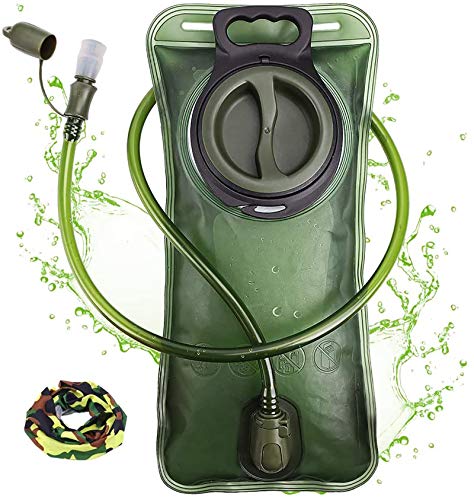
The CHERAINTI 2L Hydration Bladder is a standalone hydration reservoir engineered as a direct replacement or upgrade for daypacks, backpacking packs, running vests, and cycling bags with built-in reservoir compartments. Sized at 14.2 inches long by 6.8 inches wide, it offers a versatile 2-liter capacity that fits standard hydration sleeves used by major outdoor pack brands. This setup works especially well for day hikers, trail runners, gravel cyclists, and backpackers who prefer drinking on the move rather than stopping to reach for water bottles.
On the trail, hydration flow and pack compatibility are critical, and the CHERAINTI reservoir delivers practical functionality. The 40-inch-long tube provides ample length to route through either left or right pack ports, securing neatly along shoulder harness webbing. With a 0.4-inch hose diameter and a soft bite valve, drawing water requires minimal effort during steep climbs or fast paces. The dry weight of 0.6 pounds adds negligible base weight to your loadout, making it a functional choice for weight-conscious hikers managing overall trail weight.
Durability and leak prevention are addressed through double-sealed side edges and pneumatic pressure-tested construction. The reservoir body is made of BPA-free material designed with a smooth interior to minimize residual plastic taste and resist residue build-up. The bite valve includes a tethered dust cover, an essential feature for keeping trail dust, grit, and mud off the silicone mouthpiece when setting your pack down at rocky overlooks or dusty rest stops.
Routine handling, filling, and cleaning are simplified by the oversized screw-on port. The wide diameter allows you to pour directly from taps, filter pumps, or water jugs without spilling, and it easily accommodates refrigerator ice cubes for warm-weather outings. Cleaning the bladder is straightforward because hands and standard bottle brushes can reach the interior corners. Furthermore, the quick-release hose mechanism features an automatic shut-off valve, which allows you to detach the tube and leave it routed through your pack straps while taking the reservoir to a water source or placing it in a refrigerator.
Hikers should note realistic operational limits before heading out. The reservoir is rated for temperatures between 20 and 50 degrees Celsius, which means it is not intended for sub-freezing winter mountaineering where hose freezing or brittle plastics occur, nor should it be filled with boiling water for sanitization. Additionally, buyers with compact hydration waist packs or ultra-short running vests should verify that their hydration compartment accommodates the 14.2-inch vertical height to avoid bunching or kinked feed tubes.
For hikers, cyclists, and weekend campers seeking an affordable, dependable 2-liter water reservoir replacement, the CHERAINTI Hydration Bladder offers solid performance. With its reliable auto-shutoff connector, leak-resistant seam construction, and convenient wide-mouth opening, it delivers essential hydration capability for everyday trail adventures.
The CHERAINTI 2L Bladder measures 14.2 inches in length by 6.8 inches in width, aligning with the standard sizing of 2-liter hydration sleeves found in most modern hiking daypacks and multi-day backpacks. Confirming the internal dimensions of your pack's hydration pocket before purchase ensures the bladder sits flat against your back panel without folding.
The included 40-inch drinking tube is long enough to route through upper pack exit ports and down shoulder-strap retainers on packs of various torso lengths. Because the quick-connect port automatically stops water flow upon disconnection, hikers can easily refill the bladder without unweaving the hose from shoulder harness clips.
Maintaining proper hygiene with the CHERAINTI reservoir is aided by the wide screw-cap opening, which allows direct interior access for cleaning brushes and sponge cleaning. The smooth inner surface helps prevent liquid residue and simplifies rinsing after use with plain water or hydration drink mixes.
To extend reservoir life and prevent mold growth, detach the 40-inch tube, prop the main bladder open to air dry completely between hikes, and store it in a cool, dry place. Always adhere to the stated 20 to 50 degree Celsius temperature range by avoiding dishwashers, boiling water, and freezer-based freezing cycles.
Pros
- Quick-release tube unclicks cleanly while retaining liquid, letting you leave the hose routed in your pack during reservoir refills
- Wide threaded opening makes filling ice and cleaning with a standard brush simple and fast
- Mouthpiece includes a snap-tight dust cover to keep dirt, sand, and trail debris off your bite valve
- Double-sealed edge construction offers dependable burst resistance when packed tight among hiking gear
Cons
- Operating temperature limit of 20 to 50 degrees Celsius makes it unsuitable for boiling water or freezing winter hikes
- The raised screw-cap collar adds rigid bulk that can feel tight in very narrow pack hydration compartments
The CHERAINTI 2L Hydration Bladder is a dedicated replacement water reservoir designed for hikers, backpackers, cyclists, and trail runners seeking a dependable, budget-friendly fluid delivery system. Engineered to slide into hydration-ready daypacks and internal-frame hiking bags, this bladder holds two liters (approximately 67.6 fluid ounces) of water. That capacity offers a practical balance between fluid endurance and manageable trail carry weight, avoiding the excessive bulk and sloshing of oversized bladders on moderate outings.
Trail usability centers around thoughtful plumbing and sensible dimensions. Measuring 14.2 inches long by 6.8 inches wide, the bladder fits neatly into the rear hydration sleeves of standard outdoor daypacks. Its 40-inch flexible drink hose features an ample 0.4-inch diameter for consistent, effortless water flow. A soft bite valve allows simple bite-to-sip operation, complemented by an on-off switch to stop drips during transit and a tethered plastic cap that prevents dirt or grit from contaminating your drinking surface on dusty trails.
In terms of build quality, the reservoir utilizes BPA-free, taste-free materials reinforced with double side-welded seams. The manufacturer subjected the construction to pneumatic pressure testing, ensuring the seams resist the internal pressure spikes that occur when stuffing gear, jackets, and food into a fully packed backpack. At the base of the reservoir, a quick-release connector houses an automatic shut-off mechanism, which holds water securely inside even when the drinking hose is detached.
Refilling and routine maintenance are made user-friendly thanks to the oversized screw cap. The wide mouth allows hikers to pour water from standard filters, drop full ice cubes straight in, or reach inside with a cleaning brush to scrub the slick internal surface. Because the drink tube unclicks instantly with a single button press, you can leave the hose routed through your backpack shoulder straps and carry only the bladder body to a campground spigot or water filter station.
There are a few functional limitations to keep in mind before heading into extreme environments. The manufacturer lists an operational temperature range of 20 to 50 degrees Celsius (68 to 122 degrees Fahrenheit), which means this bladder is not built for sub-freezing snowshoe treks or hot water sterilization. Additionally, the rigid plastic collar of the screw cap adds more profile thickness than roll-top slider bladders, which may require deliberate packing inside ultra-slim running vests or tight hydration pockets.
For day hikers, weekend backpackers, and outdoor enthusiasts seeking an affordable, leak-resistant water reservoir with modern quick-disconnect convenience, the CHERAINTI 2L Hydration Bladder serves as a dependable upgrade or spare component that reliably covers essential trail hydration needs.
The CHERAINTI 2L Hydration Bladder measures 14.2 inches in length and 6.8 inches in width, fitting the standard hydration compartment dimensions found across most mid-sized daypacks, overnight packs, and tactical packs. The top handle area integrates cutouts that align with standard hydration hook loops found in hiking packs, keeping the bladder suspended upright to prevent sagging as water levels drop.
A generous 40-inch drinking hose provides sufficient length to route through top pack ports and down shoulder straps on both small daypacks and taller backpacking frames. The quick-disconnect coupling at the base allows the hose to stay secured in your pack harness while you remove the bladder for refilling, avoiding the hassle of rethreading the tube at every water stop.
Routine cleaning is straightforward thanks to the wide fill opening, which is large enough to admit a hand, sponge, or standard bottle brush. After rinsing with mild soapy water, ensure the reservoir is thoroughly air-dried with the cap removed before storing it to keep the interior fresh and prevent moisture buildup.
Keep in mind the listed temperature tolerance of 20 to 50 degrees Celsius when washing or filling. Avoid pouring boiling water directly into the bladder or using heat-based drying appliances, as excessive heat can deform the plastic fittings or compromise seam seals over time.

Pros
- BPA-free TPU material is taste-free and built for leak-resistant trail use
- Insulated hose sleeve helps maintain water temperature in warm or chilly weather
- Quick-disconnect tube makes refilling easy without unthreading the hose from pack straps
- Wide-mouth opening accommodates ice cubes and simplifies thorough hand cleaning
Cons
- This specific package configuration does not include a cleaning kit or drying hanger
- The 2-liter capacity may require frequent refilling or supplemental bottles on dry backpacking routes
- Wide 15-inch profile requires checking pack hydration compartment dimensions before purchase
The Water Buffalo Oasis 2L Hydration Bladder is a dedicated hydration reservoir designed to drop directly into hydration-compatible daypacks, hiking backpacks, and trail vests. Geared toward day hikers, trail runners, weekend adventurers, and outdoor recreationists, this 2-liter (68-ounce) reservoir provides a reliable fluid-carrying setup without the need to stop and unholster separate water bottles. For hikers wanting hands-free hydration on moderate-distance trails, this aftermarket bladder serves as an efficient setup or a direct replacement for worn-out reservoirs.
Out on the trail, the reservoir manages hydration through a combination of a self-sealing, high-flow bite valve and an insulated drinking tube. The bite valve is designed to deliver immediate water intake under light pressure, reducing effort during steep ascents or high-cadence hikes. Furthermore, the insulated hose sleeve acts as a protective barrier against external ambient temperatures, helping keep drinking water cool during exposed summer hikes and slowing down line-freezing during crisp shoulder-season outings.
Durability centers around a BPA-free, taste-free thermoplastic polyurethane (TPU) body designed to handle constant pack compression, trail shifting, and repeated flex cycles. TPU provides flexible puncture and abrasion resistance while avoiding the persistent chemical odor or plastic flavor often associated with low-grade bladders. The reinforced seam construction and secure cap mechanism help guard against leaks inside your pack compartment, keeping spare layers, electronics, and trail snacks protected from unintended moisture.
Refilling and trail-side management are made considerably easier by the integration of a wide-mouth opening and a quick-disconnect hose system. The quick-connect coupling allows you to disconnect the bladder body instantly and leave the drinking hose threaded through your backpack shoulder-strap loops, saving significant time at water stations or trail taps. The wide cap opening provides ample space to insert standard ice cubes and facilitates direct scrubbing or quick rinsing when you return from your hike.
While practical for typical day outings, the 2-liter capacity has natural limitations for long, arid treks or multi-day backpacking trips where natural water sources are scarce and higher fluid capacity or supplemental filtration is required. Additionally, this configuration does not include a dedicated cleaning brush set or drying frame, meaning users must provide their own cleaning tools to ensure complete interior drying between trips. Hikers should also check their backpack dedicated hydration sleeve against the listed 15 by 15-inch exterior dimensions to verify a smooth, unbunched fit.
Based on product specifications and functional trail design, the Water Buffalo Oasis 2L Hydration Bladder delivers solid utility and dependable value for day hikers, cyclists, and fitness walkers. The combination of an insulated hose, quick-connect convenience, and taste-free TPU makes it a practical upgrade over standard basic bladders. If you need an accessible, easy-to-clean 2-liter fluid reservoir that keeps drinking water cooler on sun-exposed paths, this bladder is well worth adding to your hiking pack.
The high-flow bite valve on the Water Buffalo Oasis 2L Hydration Bladder utilizes a self-sealing design that opens with gentle bite pressure and seals immediately when released, preventing unwanted drips onto pack straps. The quick-connect hose assembly features an integrated shut-off mechanism that prevents fluid from draining out when the tube is disconnected, making refills clean and quick.
The included hose insulator covers the length of the drinking tube to buffer water against extreme ambient temperatures. On hot summer trail days, this prevents the water sitting in the tube from turning lukewarm between sips, while in cold weather, it helps resist early line freezing.
The wide-mouth cap design allows easy interior access for hand rinsing, towel drying, or inserting cleaning brushes after a long hike. Because the bladder is crafted from food-grade, BPA-free TPU, regular warm-water rinses and occasional mild soap cleaning are typically sufficient to keep it fresh and odor-free.
Because this specific version comes without a cleaning kit, users should prop the bladder open or hang it upside down in a well-ventilated space to ensure the reservoir and hose dry completely before long-term storage, preventing moisture buildup.
With listed dimensions of 15 by 15 by 1 inches and an empty weight of approximately 0.66 pounds, this 2-liter reservoir fits standard hydration sleeves in most daypacks, commuter bags, and mid-sized hiking backpacks. The upper profile provides a secure grip area for sliding into internal hydration compartments.
Before taking it onto the trail, confirm that your pack hydration sleeve has sufficient vertical and lateral clearance, and ensure the shoulder harness includes a port or elastic loops capable of routing the insulated hose and bite valve comfortably.

Pros
- Insulated neoprene hose sleeve provides temperature resistance against summer heat soak and freezing winter winds
- Quick-disconnect hose with automatic shut-off allows hassle-free filling and cleaning without re-routing the tube
- Wide 3.35-inch mouth fits ice cubes and makes reaching inside for thorough cleaning and drying straightforward
- Internal baffle keeps the reservoir flat against your back panel and minimizes water sloshing on trail
- Protective bite valve dust cap prevents trail dirt, mud, and dust from contaminating the silicone mouthpiece
Cons
- At 0.6 pounds, the thicker 0.4mm TPU film and insulated sleeve weigh slightly more than ultralight minimalist bladders
- The rigid screw-cap rim adds bulk compared to slim slide-top closures when sliding into packed hydration sleeves
- Generous 3-liter volume may exceed the reservoir sleeve capacity of compact running vests or small daypacks
The MARCHWAY 3L TPU Hydration Bladder is a dedicated hands-free hydration reservoir designed for day hikers, weekend backpackers, and multi-sport outdoor enthusiasts. Sized at 3 liters, this water reservoir serves as a direct replacement or capacity upgrade for worn-out bladder systems inside most hydration-compatible hiking daypacks, backpacking packs, and outdoor bags.
Out on the trail, managing water volume and pack stability is critical, and this bladder addresses those issues through practical design choices. An integrated internal center baffle prevents the 3-liter volume from ballooning into a barrel shape, keeping the reservoir flat against your pack frame while reducing water sloshing as fluid depletes. The neoprene sleeve wrapped around the flexible TPU hose provides thermal insulation, which helps mitigate warm water buildup under direct summer sun and delays tube freeze-ups during colder shoulder-season or winter excursions.
Durability centers on its 0.4mm-thick TPU film, engineered to resist punctures, pressure spikes, and abrasion when packed alongside bulky camp gear. The drinking tube connects via an automatic shutoff valve that instantly seals water inside the bladder when unplugged, allowing hikers to remove the reservoir for refills while leaving the hose routed through shoulder-strap loops. At the business end, a 360-degree rotating bite valve enables natural drinking angles, supported by a soft silicone mouthpiece, an on-off flow switch, and a fitted dust cap to keep trail grit away from your mouth.
Setup, filling, and routine maintenance are simplified by the generous 3.35-inch inner diameter screw-top opening. The integrated lower handle provides secure leverage for one-handed filling under faucets or gravity water filters, and the wide aperture easily swallows full-sized ice cubes. Between trips, the wide mouth allows you to reach inside with a sponge or towel, while the removable bite valve head permits straightforward tube flushing to keep your water tasting clean.
While feature-rich, this reservoir has practical limitations buyers should evaluate before purchasing. Weighing in at 0.6 pounds, the combination of thick 0.4mm TPU, dual mounting handles, and an insulated sleeve carries a modest weight penalty compared to ultralight hydration bladders. Additionally, the 3-liter volume and pronounced screw-top ring may be difficult to squeeze into compact trail running vests or ultra-slim daypack sleeves designed exclusively for 1.5-liter or 2-liter reservoirs.
For hikers, hunters, and backpackers seeking a reliable, high-capacity water bladder with cold and heat hose protection, the MARCHWAY 3L TPU Hydration Bladder delivers exceptional utility. It offers dependable leak prevention, straightforward trail-side filling, and easy post-trip sanitation at an accessible price point for any outdoor gear kit.
Hands-free hydration depends heavily on continuous, leak-free hose operation, which this reservoir addresses through its quick-release coupling and automatic shut-off mechanism. Hikers can disconnect the drinking tube instantly without spilling a drop, making it possible to leave the hose threaded through backpack strap guides while taking the reservoir to a water filter or tap.
The insulated neoprene wrap shields the kink-resistant TPU hose from extreme ambient temperatures, reducing the chance of freezing in sub-zero weather or delivering lukewarm mouthfuls during intense summer heat. The drinking assembly terminates in a 360-degree rotating soft silicone bite valve, which features a manual on-off shutoff switch to stop accidental leaks under pack compression, as well as an attached dust cap to shield the mouthpiece from trail debris.
Cleaning and drying a hydration bladder is critical to preventing odors and maintaining clean water taste. The MARCHWAY reservoir features an extra-large 3.35-inch inner diameter opening that accommodates adult hands, dish sponges, or drying towels, significantly speeding up routine cleaning compared to narrow-mouth bladders.
For thorough post-trip maintenance, the bite valve head detaches from the flexible TPU hose, allowing warm water flushing throughout the entire drinking line. After washing, propping the bladder open using its internal baffle and dual hang loops ensures air circulates completely, preventing moisture retention and prolonging the life of the TPU film.
Pros
- Large 3-liter capacity minimizes the need for frequent refills on dry trail segments.
- Wide-mouth opening accommodates bottle brushes and ice cubes for straightforward maintenance.
- Auto-shutoff connector enables disconnecting the drinking hose without draining the reservoir.
- Integrated dust cover keeps the bite valve clean when resting packs on dusty ground.
Cons
- Screw-top cap mechanism adds a raised profile compared to flat slide-lock bladders.
- Manufacturer-stated liquid operating range of 20 to 50 degrees Celsius is not intended for boiling liquids.
- Overall length of 16.9 inches may be too tall for compact running vests or smaller lumbar daypacks.
The CHERAINTI 3L Hydration Bladder is an aftermarket water reservoir designed to fit inside the hydration sleeve of hiking daypacks, backpacking packs, cycling bags, and travel rucksacks. Holding three liters of water, it suits day hikers tackling sun-exposed routes, weekend backpackers seeking a central reservoir for camp use, and trail users replacing an old or leaking bladder without spending top-dollar brand premiums.
On the trail, physical dimensions play an essential role in how well a reservoir integrates with your pack. Measuring 16.9 inches long by 7.6 inches wide and weighing approximately 0.62 pounds empty, this bladder drops cleanly into vertical hydration compartments of mid-sized to full-sized hiking backpacks. The 40-inch long drinking hose with a 0.4-inch diameter provides ample length to route through hydration ports and down pack shoulder straps, giving hikers easy drinking access without halting their stride.
In terms of construction and hardware, the reservoir utilizes BPA-free materials assembled with double-sealed edge seams designed to resist pressure inside a fully packed bag. The connection port at the base incorporates a quick-release mechanism with an automatic shut-off valve. This allows you to disconnect the drink tube for packing or cleaning while the bladder remains full of water, preventing leaks inside your pack or refrigerator.
Refilling and cleaning are handled through the large screw-on fill port. The wide diameter accommodates large ice cubes and provides sufficient clearance to fit a hand or cleaning brush into the smooth-walled interior. The drinking end features a soft silicone bite valve with a mechanical on/off lever to prevent accidental dripping during transport, accompanied by a tethered protective dust cap that guards the mouthpiece against grit and trail debris.
Potential buyers should account for a few practical considerations. The circular screw-cap design creates a firmer, bulkier contact point against the pack back panel compared to flat slide-seal reservoirs, which can be noticeable in frameless packs. Additionally, the manufacturer-listed fluid temperature tolerance is 20 to 50 degrees Celsius, meaning the bladder is not rated for hot or boiling liquids. At nearly 17 inches in length, it may also bunch up in shallow running packs or small-capacity hydration vests.
For hikers, campers, and multi-sport outdoor enthusiasts looking for a budget-conscious, high-volume replacement reservoir, the CHERAINTI 3L Bladder provides practical hydration utility. Verify your pack sleeve dimensions before purchasing, but for standard daypacks and multi-day backpacks, it delivers dependable volume and straightforward cleaning.
The CHERAINTI bladder features an exterior footprint of 16.9 inches tall by 7.6 inches wide, requiring a pack hydration sleeve with at least 17 inches of vertical clearance for an unbunched fit. It works well with standard 20L to 65L hiking daypacks and multi-day backpacks that provide dedicated reservoir sleeves and shoulder-strap hose routing loops.
The included 40-inch hose provides plenty of reach from deep internal hydration sleeves out through top or side hose ports. Because the quick-disconnect fitting features an automatic shutoff valve, the bladder can be removed from your backpack for trailside refills while leaving the hose routed through your shoulder harness.
The large screw-cap opening provides direct hand access into the interior, facilitating thorough cleaning with warm water, mild soap, and a standard bottle brush. The smooth inner surface helps deter residue buildup between trail excursions.
To maintain product longevity, adhere to the manufacturer-listed liquid temperature range of 20 to 50 degrees Celsius (68 to 122 degrees Fahrenheit). Avoid using boiling water to sanitize the reservoir. After washing, prop the bladder open and hang it upside down until completely dry before storing it away.

Pros
- Quick-release hose uncouples cleanly without leaking water from the filled reservoir body
- Generous 3.5-inch screw opening simplifies interior washing, hand drying, and loading ice cubes
- Tethered dust cap keeps blowing sand, dust, and trail debris away from the drinking mouthpiece
- Lightweight design weighs approximately 0.44 pounds empty, avoiding unnecessary base pack weight
Cons
- Screw-on cap requires deliberate thread alignment to ensure a flat, water-tight seal compared to slide-top closures
- Maximum temperature limit of 50 degrees Celsius (122 degrees Fahrenheit) prevents using boiling water for cleaning or warmth
- Lacks an internal stabilizing baffle, which can allow water to shift inside loosely packed gear compartments
The HEIKLN 2L Hydration Bladder is a standalone replacement water reservoir engineered for day hikers, backpackers, mountain bikers, and trail runners who require reliable, hands-free hydration. Weighing approximately 0.44 pounds empty with dimensions of 14.2 inches long by 6.8 inches wide, this bladder is designed to slip directly into the dedicated internal hydration sleeve of standard hiking daypacks and multi-day trekking packs. It provides an efficient solution for hikers seeking to replace an aged reservoir or convert an existing hydration-compatible pack into an active drinking system.
On the trail, consistent fluid access depends on hose routing and valve reliability. This model includes a 40-inch drinking hose with a 0.4-inch outer diameter, offering plenty of length to route up through pack shoulder-strap loops and secure to a sternum-strap magnetic or clip retainer. Flow is controlled through a soft bite valve activated by light tooth pressure, supported by an integrated push-pull valve that shuts off the water line entirely during transport. A tethered dust cap covers the silicone bite tip, preventing dirt, mud, and trail grit from contaminating the mouthpiece when your backpack is set down at rest stops.
Material construction focuses on basic durability and water purity. The bladder body is built from taste-free, BPA-free, SGS-certified food-grade material engineered to resist plastic odors and maintain neutral water taste. To prevent accidental bursts or seam splitting when packed tightly against camp gear, the bladder incorporates double-welded side seams and undergoes pneumatic pressure testing. A critical convenience feature is the quick-release tube base: pressing the release button decouples the hose while an automatic shut-off valve keeps the water sealed inside the reservoir, allowing you to refill your water without unthreading the drinking hose from your pack straps.
Filling and routine maintenance are managed through a large 3.5-inch screw-on port. This broad mouth allows hikers to drop ice cubes straight into the reservoir on warm summer mornings and provides ample room to insert a hand, sponge, or cleaning brush to scrub the inner walls. The reservoir is rated for liquid temperatures ranging from -20 to 50 degrees Celsius (-4 to 122 degrees Fahrenheit), accommodating cold tap water, iced fluids, and chilled conditions across three-season outings.
There are several practical considerations to evaluate before buying. While the 14.2 by 6.8-inch silhouette matches most mid-size daypack hydration sleeves, users with ultra-compact running vests or exceptionally shallow hydration pockets should measure their compartment depth first. Additionally, the screw-on closure requires careful alignment to avoid cross-threading, and the bladder does not contain an internal center baffle, meaning water may slosh slightly when partially full if your backpack lacks external compression straps.
The HEIKLN 2L Hydration Bladder represents a practical, functional replacement reservoir for hikers seeking dependable hydration without paying premium brand prices. If you need an easy-to-fill, quick-disconnect reservoir for regular day hikes, local trail outings, or weekend backpacking loops, it provides the essential features needed to stay hydrated on trail.
The HEIKLN 2L reservoir fits backpacks equipped with internal hydration sleeves measuring at least 15 inches tall and 7 inches wide. Its 14.2-inch by 6.8-inch body profile integrates smoothly into standard hiking daypacks, hunting packs, and weekend backpacking packs with built-in hanger loops.
With a 40-inch flexible drinking hose and a 0.4-inch diameter, the tube provides adequate reach to travel out of hydration exit ports and extend along pack shoulder straps. The quick-release connection allows the bladder to be removed from the pack for refilling while leaving the hose routed through harness loops.
Routine cleaning is facilitated by the 3.5-inch wide screw-cap opening, which allows a standard bottle brush or hand sponge to scrub interior surfaces. Washing with mild soap and warm water below 50 degrees Celsius (122 degrees Fahrenheit) protects the structural integrity of the food-grade material.
After rinsing, prop the bladder open to ensure complete air drying between hiking trips, which prevents moisture retention inside the corners. The detachable hose and removable silicone bite valve components can be rinsed individually to keep the entire fluid path clear and fresh.

Pros
- Auto-shutoff quick-release connection allows the hose to detach without spilling water from the filled reservoir
- Wide-mouth port makes interior scrubbing, air drying, and loading ice cubes remarkably simple
- Protective dust cap prevents dirt, mud, and trail grime from contaminating the bite valve
- Sized neatly at 14.1 by 6.6 inches to fit standard internal hydration compartments in smaller packs
Cons
- 1.5-liter capacity may prove insufficient for long backcountry days without frequent water refill stops
- Restricted to temperatures between 20 and 50 degrees Celsius, making it unsuitable for boiling water or hot beverages
- Screw-collar mechanism creates a slightly thicker profile than slide-top closures inside tight pack pockets
The CHERAINTI 1.5L Hydration Bladder is a dedicated replacement water reservoir designed for active day hikers, trail runners, mountain bikers, and commuters who already carry a hydration-compatible pack. Sized specifically for lower-volume hydration sleeves, this unit provides a direct replacement for worn or damaged bladders. It is particularly well matched for outdoor enthusiasts who prioritize effortless cleaning and a straightforward fill setup over massive fluid volume.
On the trail, the 1.5-liter (roughly 50 fluid ounce) capacity offers a balanced compromise between hydration availability and carried pack weight. Weighing approximately 0.6 pounds when empty, this reservoir minimizes base bulk in your pack. Its dimensions of 14.1 inches long by 6.6 inches wide allow it to slide neatly into compact daypack hydration pockets without distorting pack balance or crowding essential trail layers and emergency gear.
Construction quality focuses on practical leak prevention. The bladder is crafted from food-grade, BPA-free material designed to preserve the neutral taste of your water. CHERAINTI utilizes a double-sealing perimeter technique along the edges and pneumatic pressure verification to resist internal pressure spikes when packed tightly. The 40-inch drinking tube provides ample length for routing through shoulder-strap guides, while the high-flow bite valve features an on-off switch and an integrated dust cap to keep dust and grit off your mouthpiece during dusty trail ascents.
Handling, packing, and maintenance are noticeably straightforward thanks to the wide-mouth screw cap. The generously sized port allows you to reach inside with a sponge or brush for thorough hygiene, and it accommodates full-sized ice cubes directly from an ice dispenser. Furthermore, the quick-release tube port features an internal shutoff valve, allowing you to unplug the hose while leaving the bladder filled, making it easy to store the reservoir in a cooler or refrigerator without threading the hose out of your backpack.
There are realistic limitations to keep in mind before taking this reservoir on extended outings. With a 1.5-liter total volume, this reservoir is tailored for moderate distances and may require frequent trail refilling during hot summer afternoons or arid mountain section hikes. Additionally, the construction is rated for temperatures between 20 and 50 degrees Celsius (68 to 122 degrees Fahrenheit), which means you cannot sanitize it with boiling water or fill it with hot trail tea.
For hikers, runners, and cyclists seeking an affordable, easy-to-clean water reservoir that fits standard daypacks, the CHERAINTI 1.5L Hydration Bladder is a dependable, practical choice. Its auto-shutoff quick-connect hose, wide filling port, and hygienic dust cap provide solid everyday utility for recreational trail outings.
Compatibility depends primarily on the internal dimensions of your backpack hydration sleeve. With overall measurements of 14.1 inches in length and 6.6 inches in width, this 1.5-liter reservoir easily fits within most compact daypacks, running vests, and cycling backpacks equipped with standard vertical bladder pockets.
The included 40-inch drinking hose provides plenty of reach from the bottom disconnect port up through pack hydration ports and down to your shoulder strap. The 0.4-inch tube diameter fits through common elastic hose loops and sternum-strap magnetic clips without snagging. Hikers should verify their pack sleeve depth to ensure the 14.1-inch vertical profile sits comfortably above the lower base of the pack.
Routine care is simplified by the oversized screw-cap opening, which allows you to insert a cleaning brush or hand directly into the reservoir body. The smooth interior surface helps prevent sediment buildup and rinses clean with mild dish soap and warm water.
Always respect the specified temperature limits of 20 to 50 degrees Celsius. Avoid pouring boiling water inside, as extreme heat can compromise the welded seams and connector seals. After rinsing, prop the bladder open to air dry completely before storage to prevent residual moisture from developing mildew between trips.
Everything You Need to Know About Freezing a Hydration Bladder
The Direct Answer and the Physics of Freezing Water
The straightforward answer is yes, you can freeze water in a hydration bladder, but doing so without precautions risks damaging your gear. When water transitions into solid ice, its volume expands by roughly nine percent. That expanding ice generates intense hydraulic pressure against container walls. If a sealed reservoir is filled to the brim, that pressure pushes relentlessly against seams and plastic fittings.
Most modern hydration reservoirs use thermoplastic polyurethane (TPU) or flexible food-grade polyethylene films. While these polymer films offer good elasticity, their walls cannot stretch indefinitely against crystalline ice. The most vulnerable failure points are perimeter bonds and connector housings. Giving ice physical room to expand is the key to freezing your reservoir safely.
When water has room to expand into empty headspace, freezing causes no structural harm to the polymer. Manufacturers build quality bladders to withstand temperatures from sub-freezing conditions up to 50 degrees Celsius. The danger comes from trapped mechanical stress rather than cold temperatures alone. Managing fluid volume and purging trapped air allows you to freeze water safely for warm-weather adventures.
Why Full Reservoirs Rupture Along Welded Seams
A common trail problem begins when a hiker fills a reservoir completely to the fill line and freezes it overnight. As water freezes from the outside inward, a rigid shell of ice forms first around the perimeter. As the remaining internal core crystallizes, it exerts severe outward force against the exterior seams. Because the surrounding ice cannot yield, that force focuses on the perimeter seals.
Hydration bladders rely on radio-frequency (RF) welded seams or heat-sealed perimeter techniques to join polymer sheets. While double-sealing techniques on CHERAINTI and HEIKLN bladders improve pressure tolerance, they cannot withstand confined ice expansion. When ice pushes past the tensile tolerance of the weld, it separates the bond. You might not notice this failure while the block remains frozen solid.
The true problem occurs several miles into your hike as ambient air and body heat melt the ice. The thawing water escapes through the separated seam, soaking spare clothing, insulation layers, and electronics. Inspecting a bladder with seam delamination usually reveals a clean split along the weld line. Avoiding this issue requires respecting reservoir capacity and never allowing expanding ice to bottom out against sealed edges.
Step-by-Step Guide to Freezing Your Hydration Bladder Safely
Following a clear preparation routine ensures your reservoir delivers icy hydration without risking punctures or tears. The first step is restricting fluid volume to roughly one-half or two-thirds of total capacity. For a 2-liter reservoir, fill it with no more than one to 1.3 liters of clean water. This generous headspace gives freezing liquid room to expand without stressing welded seams.
Once water is inside, purge excess air from the bladder before sealing the opening. Hold the reservoir upright and gently squeeze the body until water reaches the base of the neck. Squeezing out this air pocket before locking the screw cap or slide closure ensures the reservoir freezes flat. A flatter reservoir freezes faster and packs much more comfortably against your backpack harness later.
Always disconnect the drink tube before placing the reservoir inside your freezer compartment. Quality reservoirs like the MARCHWAY Ultra Durable TPU Bladder and Water Buffalo Oasis feature quick-disconnect couplings with automatic shutoff valves. Detaching the hose prevents trapped water from damaging connectors or bending tubes on freezer shelves. Lay the detached bladder flat on a smooth freezer shelf, away from sharp edges or heavy frozen items.
Managing Drink Tubes, Quick-Disconnect Ports, and Bite Valves
The drink tube assembly contains the most delicate components of any hydration system, including small O-rings and soft silicone mouthpieces. Leaving a water-filled hose connected to a freezing reservoir often causes component failure. Trapped water inside the narrow tube expands outward, stretching the hose wall and pressing into the disconnect port. This pressure can easily dislodge or warp the rubber O-rings needed for a leak-proof seal.
Freezing water inside a bite valve can also ruin the slit mechanism that regulates flow. Soft silicone mouthpieces, such as those on CHERAINTI and Water Buffalo bladders, rely on elastomer tension to seal shut when released. If expanding ice stretches or tears that silicone opening, the valve will drip constantly once thawed. Ice freezing inside rotating shutoff switches can also crack the rigid plastic housing.
To avoid these breakdowns, keep your drinking tube assembly out of the freezer. Store an empty, dry hose at room temperature and attach it just before your hike begins. Quick-release connectors with automatic shutoff valves allow you to snap the dry hose into the chilled reservoir without spilling water. This habit preserves rubber seals and ensures reliable, drip-free water flow on the trail.
Adding Ice Cubes vs. Freezing the Whole Reservoir
While freezing water inside a reservoir works well, adding ice cubes through a wide opening is often more practical. Reservoirs like the HEIKLN Hydration Bladder and CHERAINTI models feature wide screw caps measuring up to 3.5 inches across. These large openings allow you to scoop ice cubes directly from an ice dispenser without funnels. Filling a bladder with loose ice and topping it with cold water provides instant chilling without waiting hours for water to freeze.
Using ice cubes also avoids the long waiting period associated with a solid block of frozen water. When an entire bladder freezes solid, you cannot drink until ambient heat melts enough liquid to reach the exit port. On a sunny morning, you could hike for over an hour before getting a sip. A reservoir with floating ice cubes provides immediate drinking flow while the ice melts steadily over several miles.
Using ice cubes also preserves the natural flexibility of your hydration pack. A bladder filled with ice cubes and water flexes easily to match the interior curves of your backpack. When using affordable trail daypacks, a flexible bladder prevents rigid corners from jabbing into your back. This flexibility makes packing your gear around the reservoir much easier and more comfortable.
Safe Thawing Techniques and Trail Morning Preparation
When you freeze your reservoir into a solid half-block, preparing it properly on trail morning ensures reliable hydration. Never accelerate thawing by submerging the frozen bladder in boiling water or heating it in a microwave. Quality TPU reservoirs have maximum temperature limits, typically around 50 degrees Celsius. Exposing frozen polymer seams to boiling water creates thermal shock that can weaken seams and warp threaded caps.
The safest thawing method is topping off the frozen half-block with cool tap water before heading out. Pouring liquid water over the ice block fills the remaining volume and begins melting the ice surface. This ambient water quickly creates an instant pool of cold drinking water around the bottom port. You start your hike with a full reservoir that delivers immediate cold sips right away.
Handle the bladder gently while the ice inside remains solid and rigid. Dropping a frozen reservoir onto hard floors or rocks can crack brittle plastic fittings or puncture taut film. If you need to slide the bladder into a tight pack sleeve, let the ice soften slightly rather than forcing it. Gentle handling protects both the reservoir film and any internal baffles.
Cold Weather Protection and Winter Trail Freeze Prevention
While summer hikers freeze bladders intentionally, winter adventurers face the opposite problem of water freezing on cold trails. In sub-freezing weather, standing water inside an exposed drink tube can freeze solid within fifteen minutes. Once ice blocks the tube or bite valve, hands-free hydration stops completely, creating a serious dehydration hazard in cold conditions. Protecting your tube assembly is vital during winter treks.
Using a reservoir with an insulated hose sleeve provides dependable protection against freezing trail temperatures. Models like the MARCHWAY Ultra Durable TPU Bladder and Water Buffalo Oasis feature neoprene sleeves covering the drink tube. These thermal wraps slow heat loss in cold wind, helping prevent sudden freeze-ups during trail breaks. Pairing an insulated tube with a bite valve dust cover also shields soft silicone from snow and icy air.
Trail habits also help prevent freeze-ups during cold winter outings. After taking a sip, blow air back through the bite valve to push standing water out of the hose and into the main reservoir. The larger volume of water inside your backpack resists freezing much longer than water resting in an exposed tube. You can also run the tube under your jacket where body heat keeps water flowing.
Using the Freezer for Post-Trip Storage and Mold Prevention
Beyond keeping water cold, many hikers store clean, empty hydration bladders directly in the freezer between trips. Drying the interior corners of a narrow reservoir can be difficult in humid weather. If trapped moisture stays inside a stored bladder, mold, mildew, and foul odors can develop quickly. Freezing temperatures stop the growth of bacteria and fungal spores completely, keeping the interior fresh.
To use this storage method, rinse and clean your bladder with mild soap and warm water after your hike. Shake out standing water, leave the opening propped slightly open to drain, and let excess moisture escape. Once mostly dry, fold the empty reservoir loosely and place it in a clean bag on a freezer shelf. Any remaining moisture freezes harmlessly, preventing black mildew spots from forming inside.
When packing for your next outing, pull the bladder from the freezer, rinse it, and fill it with fresh water. This storage habit saves time compared to scrubbing interior corners with specialized wire brushes before every hike. Let cold polymers warm up for a minute before unfolding the bladder aggressively to avoid stressing stiffened seams.
Pack Integration, Load Balance, and Rigid Ice Blocks
Carrying a frozen bladder changes how your pack feels against your body during long trail miles. A liquid reservoir conforms to the curvature of your lower back and adjusts to your movements. When water freezes solid, however, it becomes a rigid plate that will not flex with your spine. If frozen unevenly, a bulging ice block can press awkwardly against your back and disrupt balance.
A reservoir with an internal center baffle, such as the MARCHWAY TPU bladder, helps maintain a flat profile while freezing. The baffle prevents water from pooling into a round cylinder, spreading fluid evenly across dual chambers. When carrying heavy loads in supportive framed hiking backpacks, a flat reservoir keeps water weight close to your spine where your harness carries it best.
Condensation also requires attention when placing an iced bladder inside your backpack. As warm air contacts the cold reservoir surface, condensation forms and collects at the bottom of your hydration sleeve. Wrapping the bladder in a light towel or placing it in a water-resistant sleeve keeps sleeping bags and spare clothing dry. Managing condensation and pack balance ensures cold, refreshing hydration without wet gear or back strain.



Write Your Review
No reviews yet. Be the first to share your experience!