


Navigating uneven woodland trails or daily neighborhood sidewalks requires dependable ground traction to protect joints and prevent sudden slips. When a favorite wooden staff or trekking pole begins skittering across slick pavement or polished rock, the bottom rubber ferrule has likely worn thin or detached entirely. Knowing where to buy walking stick rubber tips ensures your gear remains stable, quiet, and safe for outdoor adventures. Choosing the right source helps hikers and daily walkers find properly sized replacement caps that match their specific shaft diameters and trail demands.
Reliable rubber tips shield sensitive indoor floors, cushion impact shocks through the wrist, and protect trail surfaces from premature wear caused by exposed metal hardware. While pair-matched gear like hiking pants designed for joint support helps stabilize the lower body, a secure rubber tip gives your upper body the solid grip needed to offload downhill knee pressure. Whether you require standard eleven-millimeter hiking staff covers or heavy-duty three-quarter-inch cane ferrules, understanding available retail options saves valuable time. Sourcing high-quality rubber replacements keeps every outing confident and secure.


A Complete Guide on Where to Buy Walking Stick Rubber Tips and Selecting the Right Fit
Finding dependable replacement tips requires knowing both where trusted suppliers sell them and how to determine your stick’s exact sizing requirements. A worn ferrule compromises balance, creates harsh impact vibrations, and exposes delicate wooden tenons or metal spikes to abrasive ground surfaces. This comprehensive guide covers the most dependable retail outlets and online sources while detailing the technical factors needed to secure the right replacement.
Primary Retail Sources for Walking Stick Rubber Tips
Major online marketplaces represent the most versatile destination when deciding where to buy walking stick rubber tips for both outdoor staffs and daily mobility aids. E-commerce platforms aggregate verified listings from specialized brands such as Tenalleys, JJZS, and supregear, providing comprehensive dimension charts and bulk multipacks. Online shopping allows you to filter specifically by inner socket diameter, whether you need slender eleven-millimeter hiking staff heads or thick one-inch cane feet. Customer feedback sections also contain real-world measurements that help confirm compatibility with various wooden and aluminum models before placing an order.
Local outdoor outfitters and sporting goods retailers serve as an excellent physical shopping alternative for active trail walkers. These specialty stores typically stock blister packs of standard replacement rubber boots and trail caps designed to protect tungsten carbide tips. Visiting an outfitter in person enables you to bring your walking stick along to physically verify the friction fit before purchasing. In contrast, neighborhood pharmacies and medical supply shops excel at stocking wider diameter ferrules, such as three-quarter-inch or one-inch heavy-duty rubber feet made by brands like Gadgetime USA or XSL.
Distinguishing 11mm Trekking Protectors from Heavy-Duty Cane Ferrules
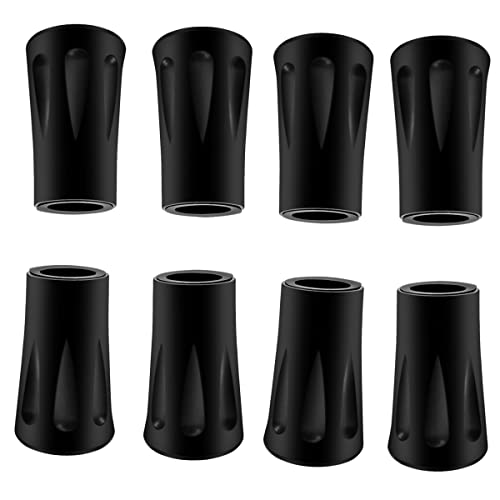
One of the most frequent purchasing mistakes involves confusing slender trekking pole protectors with heavy-duty cane ferrules. Standard hiking staffs and collapsible walking sticks usually feature a tapered lower shaft ending in a narrow tip that accepts an eleven-millimeter interior diameter cap. Products from brands like SENLIXIN and Tenalleys are specifically molded to fit these 0.43-inch terminals, slipping snugly over the metal spike. Attempting to force these compact hiking protectors onto a full-sized wooden walking stick will result in an impossible installation because the socket is far too small.
Traditional wooden walking sticks carved from hardwoods like hickory, oak, or chestnut usually require much larger ferrule diameters. These stout natural wood staffs commonly finish with bottom tenons measuring three-quarters of an inch, one inch, or even one and one-eighth inches. Ferrules engineered for this category, such as those produced by supregear, feature much thicker sidewalls and broad ground contact patches. Sourcing tips from the correct product category ensures the rubber housing provides adequate structural support without splitting under downward pressure during trail walks.
How to Accurately Measure Shaft Diameter Before Purchasing
Taking precise measurements of your walking stick’s bottom tip is the most critical step before placing an online order. The measurement that matters is the outside diameter of the stick’s bottom tenon, which must correspond directly to the internal socket diameter of the rubber tip. The most reliable method involves using a digital or manual sliding caliper placed across the widest point of the unclad tip. Calipers provide fractional millimeter and inch readouts that eliminate the guesswork common with standard household rulers or tape measures.
If you do not own a set of calipers, a flexible tailor’s tape or a narrow strip of paper provides an accurate alternative. Wrap the paper tightly around the bare base of the shaft, mark the exact overlap with a sharp pencil, and lay the strip flat against a ruler to measure the circumference. Dividing this circumference measurement by 3.14 yields the true outside diameter of your walking stick’s base. Never measure an old, stretched rubber tip, because rubber naturally expands over months of use and provides a deceptively large measurement.
Why Internal Metal Washers Are Essential for Tip Longevity
The presence of an internal metal washer is the primary structural feature distinguishing durable rubber tips from cheap imitations. As you plant your walking stick during daily walks or mountain hikes, downward force concentrates directly onto the small surface area of the shaft tip. Without internal reinforcement, a narrow wooden shaft or metal spike acts like a chisel, steadily punching through the bottom of the rubber housing. Quality replacement tips from brands like Tenalleys, XSL, and Gadgetime USA embed a heavy steel or aluminum washer inside the base to halt this internal wear.
This embedded metal plate distributes downward pressure evenly across the entire flat rubber contact surface. By spreading the load, the washer prevents premature puncture and ensures the rubber wears away naturally from external ground abrasion rather than internal cutting. Hiking stick users who frequently traverse hard pavement or rocky trails often discover that unreinforced rubber caps fail within a matter of days. Checking product descriptions specifically for built-in steel washers or aluminum plates ensures you receive a product built for lasting outdoor use.
Rubber Formulations, Wide Bases, and Traction on Hard Surfaces
The chemical composition of a replacement tip directly governs how well it grips wet sidewalks, slick granite, and smooth indoor tiles. High-grade replacement tips frequently utilize vulcanized natural rubber or dense tire rubber compounds that retain flexibility across varying temperatures. Natural rubber conforms slightly to microscopic surface irregularities, delivering dependable skid resistance on challenging surfaces like damp boardwalks and wet asphalt. Cheaper plastic blends often become rigid in chilly weather, causing the stick to slide dangerously across smooth terrain when you need stability most.
Base tread geometry also plays a major role in keeping your steps secure across variable trail conditions. Some replacement tips feature concentric circular grooves or aggressive siping designed to channel away surface water. For example, supregear incorporates a slightly wider base measuring 1.4 inches in diameter with raised outer edges, which prevents water from collecting beneath the tip while boosting stability. Pairing high-traction rubber ferrules with durable trail clothing such as lightweight hiking pants creates a comfortable and nimble setup for long-distance day hikes.
Safe Removal and Installation Steps for Replacement Rubber Caps
Replacing an old walking stick tip is a straightforward task, but worn ferrules can become stubbornly stuck over years of use. Dirt, dried mud, and natural wood expansion often bind the rubber tightly to the base of the shaft. To remove a stubborn rubber foot, avoid using sharp knives or metal blades that could gouge the wooden grain or scratch aluminum shafts. Instead, grasp the old tip with a textured rubber jar opener or work glove, applying firm rotational pressure while pulling outward from the stick.
If the old ferrule refuses to budge, submerging the bottom two inches of the stick in warm water for several minutes can help loosen the bond. The gentle heat softens hardened rubber and loosens accumulated grit, allowing the tip to twist free easily. Installing the fresh replacement tip requires no specialized tools or messy adhesives. Simply align the socket of the new rubber foot with the shaft base, push it firmly into place, and tap the stick lightly against a solid surface while twisting to seat the internal washer fully.
Trail Etiquette and Surface Protection with Rubber Ferrules
Using rubber tips on walking sticks and hiking staffs extends far beyond personal balance and comfort. Outdoor recreation organizations and park authorities frequently encourage or require rubber tips to practice Leave No Trace trail etiquette. Bare tungsten carbide spikes scratch historic stone stairs, scar delicate alpine rock formations, and accelerate erosion along packed earthen trails. Placing a protective rubber cap over exposed metal tips minimizes your physical footprint on pristine outdoor landscapes while dampening harsh impact noise.
Rubber tips also eliminate the sharp, repetitive clicking sound of metal striking stone, creating a quieter and more peaceful environment for fellow hikers. Furthermore, rubber caps protect public and private infrastructure when transitioning from trailheads into visitor centers, historic sites, or indoor lodgings. Exposed carbide spikes can easily gouge polished hardwood floors, crack decorative tiles, and snag delicate carpet weaves. Carrying slip-on rubber tips allows you to transition seamlessly between backcountry trails and urban environments without causing property damage.
The Practical Advantage of Multipacks for Day Hikers and Travelers
Experienced hikers and daily walkers rarely purchase replacement tips as individual units. Rubber tips are consumable accessories subject to constant abrasion, friction, and environmental wear that gradually erodes tread depth over time. Moreover, deep trail mud, dense bogs, and narrow rock crevices possess a notorious tendency to pull slip-on tips directly off walking staffs during ascents. Choosing multipacks containing four, eight, or ten pieces, such as offerings from SENLIXIN or JJZS, guarantees you always have immediate spares ready in your gear bag.
Keeping extra rubber tips in your pack ensures that an unexpected tip loss in the backcountry never cuts your outing short. When organizing your travel gear or checking carry on backpack volume recommendations for flights, stashing a couple of spare eleven-millimeter rubber tips takes up virtually zero space while providing peace of mind. Multipacks also offer greater overall value compared to purchasing individual replacements whenever noticeable wear appears.
Distinguishing Balance Assistance from Clinical Mobility Support
When shopping for walking stick rubber tips, it is crucial to recognize the clear distinction between recreational balance aids and clinical medical devices. Standard wooden walking sticks and single hiking staffs are designed to assist balance, improve posture, and offload modest joint pressure during trail descents. They are not certified by regulatory agencies as prescription medical devices for individuals with severe mobility impairments or non-weight-bearing injuries. Rubber tips enhance grip on smooth surfaces but cannot alter the underlying mechanical limits of a recreational staff.
Heavy-duty rubber cane tips produced by brands like supregear and Gadgetime USA provide substantial skid resistance and wide contact bases, but they cannot convert an informal wooden staff into a medical crutch. If you require absolute weight-bearing rehabilitation following surgery or suffer from significant vestibular balance challenges, consult a healthcare professional for specialized orthopedic equipment. Using recreational walking sticks within their intended balance-assist parameters ensures your safety on both paved paths and rugged outdoor trails.
Final Pre-Walk Checks for Confident Ground Traction
Before embarking on any lengthy trail excursion or neighborhood walk with newly installed rubber tips, perform a few rapid safety checks. Place the stick upright on a clean, flat surface and apply steady downward pressure to verify that the shaft is fully bottomed out against the internal metal washer. Give the rubber tip a firm twist with your hand to confirm that the friction fit holds securely without spinning or slipping off the shaft during normal movement.
Inspect the exterior of the new tip to ensure the rubber is free from molding cracks or surface flaws that could compromise durability under load. Check that the base sits completely flat against the floor when your arm is positioned at a natural walking angle, typically with the elbow bent near ninety degrees. Taking thirty seconds to verify secure tip seating guarantees that your walking stick will provide smooth, dependable support from your first stride to the finish.





Write Your Review
No reviews yet. Be the first to share your experience!