


Navigating rocky forest paths or neighborhood sidewalks requires proper balance, yet many walkers struggle with awkward posture because their balance staff sits at the wrong elevation. When you ask what size walking stick do i need, the answer depends heavily on whether you intend to stroll level pavement or navigate steep mountain descents. An incorrectly sized staff forces your shoulder to hike upward unnaturally or causes uncomfortable forward slouching that strains the lower back. Pairing your balance gear with supportive hiking apparel helps relieve joint fatigue, but dialing in exact shaft height remains the foundational first step for joint comfort.
Recreational single staffs and adjustable balance sticks provide essential joint offloading on steep descents, steadying your footing across loose gravel, wet roots, and slick mud. Handcrafted hardwoods, lightweight aluminum alloys, and collapsible travel models each offer distinct advantages for everyday fitness or trail exploration. Understanding proper walking stick height measurement ensures your elbow maintains an efficient biomechanical angle without causing wrist fatigue or palm cramping. By matching your stick length to your natural standing posture and typical trail terrain, you gain stable footing and upright posture on every outing.
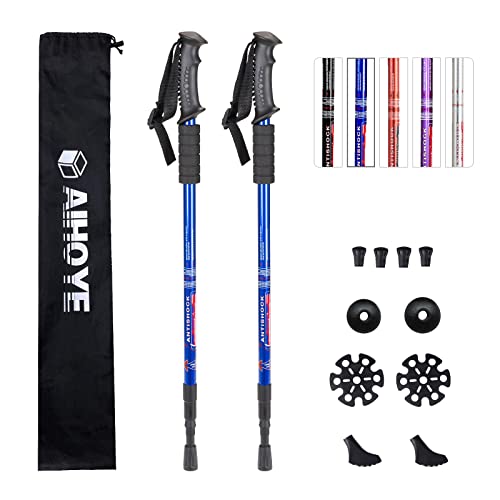


Determining the Right Walking Stick Height and Staff Dimensions
Selecting the correct shaft length is the single most critical factor for walking comfort, upright posture, and joint relief. A walking stick that fails to match your height disrupts your natural gait and transfers awkward strain into your shoulders, neck, and lower back. Whether you choose a classic handcrafted wooden staff or an adjustable aluminum walking cane, establishing an accurate measurement guarantees that every step feels fluid and supportive.
The Functional Difference Between Walking Sticks and Hiking Staffs
Sizing begins with recognizing the distinct mechanical roles of standard walking sticks and traditional hiking staffs. A standard walking stick functions as an ergonomic balance aid for neighborhood walks, paved greenways, and level park paths. It relies on a low grip position near your hip, keeping your arm relaxed and your spine straight. In contrast, a hiking staff features a taller profile designed to provide variable hand placement across uneven wilderness terrain.
Traditional hiking staffs, often crafted from solid timbers like chestnut, hickory, or bianbai wood, typically stand between 50 and 55 inches tall. That extended elevation allows you to shift your grip downward during steep climbs or place your palm over the rounded top when descending rocky steps. Choosing between these styles depends on whether your outings focus on steady paved paths or unpredictable backcountry trails.
How to Measure for a Standard Balance Walking Stick
Measuring yourself for a standard walking stick requires simple household tools and attention to everyday posture. Stand upright on a firm, level floor while wearing the walking shoes you use most frequently. Let your arms hang loosely at your sides with your shoulders relaxed, avoiding any subconscious slouching or hunching. Have a partner measure the vertical distance from the interior crease of your wrist down to the ground.
That wrist-to-floor measurement equals the ideal total height of your walking stick from the rubber ferrule to the handle top. When holding a stick sized to this dimension, your elbow should form a natural 90-degree angle with your forearm parallel to the walking surface. This alignment allows downward force to travel smoothly through your arm without straining the elbow or shoulder joint. If your forearm angles upward toward your chest, the shaft is too tall and requires trimming or telescoping adjustment.
Calculating Proper Length for Full-Length Trail Hiking Staffs
Sizing a traditional one-piece hiking staff follows a different guideline than sizing a standard walking cane. A trail staff should generally reach between your armpit and your chin when standing flat in trail footwear. For most hikers of average height, a 50-inch to 55-inch wooden staff provides the best balance between forward reach and ground clearance. Hikers taller than six feet typically benefit from a 58-inch or 60-inch staff to prevent awkward bending on steep inclines.
Pairing a full-length staff with durable, flexible hiking apparel allows your lower body to move freely across overgrown underbrush while your staff probes the path ahead. The extended length also lets you gauge stream depth, clear low-hanging branches, and brace against sudden slips in muddy terrain. If you purchase a handcrafted wooden staff that feels slightly tall, you can trim material from the bottom ferrule end with a fine-toothed hand saw before refitting the rubber tip.
Adjusting Stick Length for Uphill Climbs and Steep Descents
Trail gradients place changing biomechanical demands on your body, making height adaptability highly advantageous. When trekking uphill, an excessively long stick forces your hand higher than your chest, accelerating shoulder fatigue and reducing forward leverage. Hikers using adjustable sticks should shorten the shaft by roughly two to three inches when tackling sustained ascents. If you carry a fixed-length wooden staff, simply shift your hand downward along the shaft below the carved grip area.
Downhill travel presents the opposite challenge, requiring maximum forward reach to absorb impact before your lead foot strikes the slope. Lengthening an adjustable stick by two to four inches allows you to plant the rubber tip slightly ahead of your descent line. This early plant distributes downward force into your upper torso and arm muscles, substantially relieving strain on your knees, hips, and lower back. Hikers navigating steep mountain switchbacks rely on this braking action to maintain joint comfort.
Shaft Materials and Structural Load Characteristics
Shaft materials directly determine weight, flex, vibration damping, and overall load capacity. Handcrafted wooden staffs made from species like Bianbai wood, hickory, oak, sweet chestnut, or hazel offer natural shock absorption that dampens trail impact before it reaches your wrist. These seasoned timbers possess dense grain structures that resist splintering while providing an authentic outdoor feel. Wooden sticks carry slightly more swing weight than synthetic materials, but their heirloom charm and dependable rigidity make them enduring trail companions.
Modern alternatives frequently use aviation-grade aluminum alloys or carbon fiber composites. Aluminum shafts offer outstanding tensile strength and impact resistance against jagged rocks, making them ideal for telescoping hiking sticks and folding balance aids. Many modular aluminum designs support user weight capacities between 250 and 264 pounds when used for balance assistance. Carbon fiber reduces carry weight even further, although aluminum remains less prone to snapping under sharp lateral impacts on rocky paths.
Handle Ergonomics and Grip Posture
Handle geometry dictates how comfortably your hand interacts with the walking stick during prolonged outings. Traditional crook handles feature an arched hook design that allows you to hang the stick over your forearm or a chair when resting. While classic and attractive, crook handles concentrate downward force across a relatively narrow palm area. Derby handles provide a flatter, contoured top that spreads downward pressure evenly across the palm, making them a preferred choice for individuals managing hand fatigue or arthritis.
Spherical knob handles and hand-carved floral finials are standard on traditional full-length hiking staffs. These rounded tops allow your palm to cup the head of the staff from above when descending steep switchbacks, providing solid downward leverage. Many dedicated hiking poles also incorporate an extended secondary foam sleeve situated beneath the primary molded grip. This secondary foam zone provides a secure, sweat-absorbing handhold when temporarily shortening your grip on uphill pitches without stopping to readjust telescoping hardware.
Traction Mechanics: Ferrules, Rubber Feet, and Trail Spikes
The base of your walking stick determines its traction across varying outdoor and indoor surfaces. Traditional wooden staffs and modern trekking poles frequently feature a durable metal spike tip crafted from hardened steel or tungsten carbide. Metal spike tips bite securely into soft woodland soil, thick forest duff, packed gravel, and icy trail patches, preventing the stick from sliding out from beneath you. However, bare metal tips skitter unpredictably on hard granite slabs, wet cobblestones, and finished asphalt.
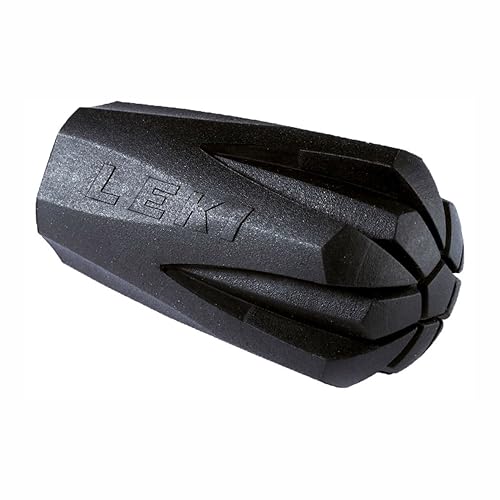
To maintain stability on hard surfaces, slip-resistant vulcanized rubber ferrules should be installed over the metal tip. A proper rubber ferrule features a grooved, treaded base that grips flat surfaces securely, providing dependable traction on paved sidewalks and indoor tile. Quality replacement rubber tips also include an internal metal washer embedded inside the rubber socket. This internal steel washer prevents the pointed tip or tapered wooden shaft from piercing through the rubber bottom under repetitive downward pressure.
Collapsible Mechanisms Versus Rigid One-Piece Staffs
Choosing between a rigid single-piece wooden staff and a multi-section collapsible stick depends heavily on how you travel. Rigid wooden staffs deliver unmatched structural solidity and zero mechanical joint play, instilling deep confidence on rugged forest paths. However, their full length creates logistical challenges when packing into compact vehicles or boarding public transit. A solid 55-inch staff cannot fit inside standard luggage, requiring dedicated vehicle space or careful transport.
Folding walking sticks solve this transport dilemma by breaking down into compact segments connected by an internal tension cord. Many folding designs collapse down to approximately 11.5 inches, sliding effortlessly into a daypack or meeting standard carry on luggage pack dimensions for airline travel. Telescoping hiking poles use external lever clamps or internal twist locks that let you retract the shafts from 52 inches down to roughly 25 inches. These packable formats allow active travelers to maintain dependable balance support wherever their journeys lead.
Preserving Wooden Shafts and Maintaining Hardware
Natural wood walking sticks require straightforward seasonal care to preserve their structural integrity and handsome finish. Exposure to damp trail soil, wet grass, and rain can cause unsealed timber to absorb moisture, leading to warping or checking along the grain lines. After returning from a wet hike, wipe your wooden stick clean with a dry cloth and allow it to air dry at room temperature away from direct heating vents. Never store a damp wooden staff inside an unventilated plastic bag or damp basement closet.
Applying a light coat of boiled linseed oil or pure tung oil once or twice a year replenishes the wood fibers and enhances natural water resistance. Rub the oil into the shaft with a lint-free cloth, allow it to penetrate the wood for twenty minutes, and buff off any excess oil. Sticks with factory polyurethane or lacquer finishes require less frequent oiling, but you should inspect the clear coat periodically for deep scratches that could let moisture enter the timber. Touching up minor scuffs with clear wood sealant prevents environmental moisture from degrading the wood grain over time.
Distinguishing Balance Aids From Clinical Devices
Maintaining personal safety requires recognizing the clear operational boundary between recreational walking sticks and clinical medical mobility devices. Recreational walking sticks, handcrafted hiking staffs, and multi-piece trekking poles are engineered to provide balance assistance, posture alignment, and light joint offloading. They are not designed, tested, or certified as full weight-bearing medical crutches or prescription orthopedic canes. Using a decorative wooden stick or recreational hiking pole to support total body weight during acute lower-limb injury recovery can lead to sudden structural failure and serious injury.
Individuals managing severe balance deficits, acute neurological conditions, or non-weight-bearing surgical recoveries should always consult a licensed medical professional for clinical mobility prescriptions. Standard recreational balance sticks lack the broad multi-tip quad bases and clinical certifications necessary for acute rehabilitation. However, for active adults, day hikers, and fitness walkers seeking subtle stability and joint comfort, a properly sized recreational stick provides invaluable confidence without carrying a medical aesthetic.
Confirming that your stick matches your stature ensures a safe and rewarding walking experience. Checking tip traction for your specific walking surface and testing locking hardware before departure prevents unexpected slipping on the trail. When sized with precision and held with relaxed posture, your walking stick becomes a natural extension of your stride that protects your joints and enhances your stability across every mile.





Write Your Review
No reviews yet. Be the first to share your experience!