


Negotiating a rocky scramble, climbing over trail blowdowns, or stopping at a camp shelter often requires hands-free mobility. While a sturdy walking stick provides vital stability and helps ease knee strain on downhill descents, carrying it continuously in hand is not always practical. Learning how to attach walking sticks to backpack gear loops ensures your balance aid remains secure, balanced, and instantly accessible whenever the trail steepens. Pack stability depends on anchoring the shaft properly against the bag to prevent awkward swinging, snagging on low branches, or unbalancing your center of gravity.
Different styles of packs, whether a streamlined daypack or an iron frame hiking backpack, feature varying lash configurations. Traditional wooden hiking staffs, collapsible aluminum models, and folding travel sticks each demand distinct mounting approaches to protect both the stick finish and your pack fabric. Adding adjustable elastic bungee cords or utilizing dedicated side compression straps keeps the stick rigid against the pack frame. Reliable mounting preserves your physical energy across long trail days and prevents annoying gear clatter. With the right hardware and a sensible mounting technique, you can stow your stick securely in seconds without taking off your pack or slowing your stride.

Pros
- Ultralight listed package weight of roughly 0.022 pounds keeps pack weight down.
- Four-piece bundle provides versatile placement options across one or two backpacks.
- Sliding buckle mechanism adjusts quickly to secure poles of different diameters.
- Inexpensive upgrade for daypacks and hiking bags lacking factory pole attachment hardware.
Cons
- Requires existing webbing, daisy chains, or anchor points on your backpack to secure the cord.
- Elastic cord can lose tension over time if exposed to repeated heavy snagging or over-stretching.
- Not engineered or rated for technical climbing protection, heavy axes, or high-load carrying.
The Marsrut 4-Piece Trekking Pole Holder set is an aftermarket external attachment accessory designed for hikers, backpackers, and travelers who need a secure way to stow trekking poles or walking sticks on their packs. Many daypacks and minimalist backpacking bags omit dedicated pole attachment bungees to reduce production costs or maintain clean exterior profiles. This four-piece kit bridges that gap by providing standalone, adjustable elastic cord ties that attach to existing exterior anchor points.
On the trail, managing trekking poles during scrambles, stream crossings, or flat access walks requires a dependable hands-free storage method. These holders measure 20.3 cm (8 inches) in length and feature a slide-lock plastic buckle. When anchored through an exterior loop or compression strap on your pack, the elastic cord wraps around the pole shaft, allowing the buckle to slide forward and clamp the shaft tightly against the pack body. At an ultra-low total weight of approximately 0.022 pounds, this accessory adds no noticeable load to your setup.
The build centers around resilient elastic cord paired with molded plastic locking buckles. The cord provides enough elasticity to hold poles firmly without slippage, while the plastic friction hardware bites into the cord to prevent unwanted loosening during motion. While this hardware is engineered for light-duty tensioning rather than heavy load-bearing support, it offers dependable day-to-day security for standard aluminum or carbon fiber trekking poles, canes, and lightweight accessories like compact umbrellas.
Setup is straightforward and tool-free. To attach a pole, you thread the cord loop through a backpack daisy chain, shoulder harness loop, or side compression strap, insert the pole shaft into the open loop, and cinch the buckle down. Cleaning and maintaining these straps is simple: they can be rinsed with clear water to remove trail dust or grit from the buckle mechanism and air-dried before storage. Having four straps in the package means you can equip two attachment points on two separate packs or keep spares in a repair kit.
Prospective buyers should note realistic limitations regarding compatibility and load capacity. These holders do not create attachment loops out of thin air; your backpack must already feature some form of external webbing, loop, or strap to anchor the cord. Furthermore, these elastic cords are intended strictly for secondary retention of walking poles and umbrellas, not for technical mountaineering ice tools, heavy tools, or safety-critical climbing hardware.
For day hikers, section backpackers, and outdoor enthusiasts seeking an affordable, lightweight method to add pole-carrying functionality to an existing backpack, the Marsrut 4-Piece Trekking Pole Holder set offers practical value and effortless utility.
The Marsrut trekking pole straps are designed specifically to interface with backpacks that feature external attachment hardware such as daisy chains, ice-axe loops, trekking pole tip retainers, or side compression straps. At an 8-inch (20.3 cm) overall length, the cord provides ample reach to loop around common trekking pole diameters, walking stick shafts, and compact accessories.
Because these straps function as an upper or mid-shaft stabilizer, they work best when paired with a lower loop or side bottle pocket to cradle the pole tips. Confirming that your daypack or multi-day backpack has accessible webbing loops or strap anchor points will ensure smooth installation and optimal stability on the trail.
The holders combine resilient elastic shock cord with durable molded plastic slide buckles. The plastic components are designed to resist outdoor exposure and maintain friction against the cord during normal trail vibration, preventing poles from shifting while you walk.
To maintain peak function, keep the plastic sliding mechanisms clean of mud, sand, and fine trail dirt. Rinsing them periodically in lukewarm water and allowing the elastic to dry away from direct high heat or prolonged UV exposure will help maintain cord elasticity and long-term grip strength.

Pros
- Generous 8-pack bundle lets you outfit multiple hiking daypacks or keep spares in your gear bin
- Glove-friendly buckle mechanism allows quick one-handed securing and release of trekking poles
- Elastic bungee cord maintains steady tension around gear shafts to minimize annoying trail wobble
- Tool-free lashing setup mounts effortlessly to standard pack straps, daisy chains, or webbing loops
Cons
- Fixed 7.68-inch length limits use on larger tools or thick bundle diameters
- Requires existing webbing, loops, or daisy chains on your backpack to anchor properly
- Elastic cord and PP plastic buckles can show wear or lose elasticity after prolonged outdoor exposure
The Xinjoduz 8-Pack Hiking Stick Holders are external gear-attachment accessories designed for hikers, backpackers, and campers who need to lash poles or slender gear directly to their packs. Many daypacks and overnight packs lack dedicated pole loops or feature worn-out attachment points, making these elastic fasteners an accessible upgrade for managing loose trail gear.
When navigating rough scrambles or sections where hands need to be free, hiking poles can become cumbersome if not secured properly. These 7.68-inch bungee fasteners anchor poles against your pack body, shoulder straps, or hip belt webbing, helping to eliminate annoying swaying and snagging against branches. The design also works well for stabilizing compact camera tripods or walking canes, keeping your hands unburdened without having to dig inside your main backpack compartment.
Each strap combines a durable rubber elastic cord with a solid polypropylene (PP) buckle. The elastic core provides continuous clamping tension around gear shafts of varying diameters, preventing items from slipping down while hiking. Meanwhile, the lightweight PP buckle holds the loop firmly without adding noticeable weight to your overall gear setup, offering dependable retention across diverse trail environments.
Installing these fasteners requires no tools or sewing, making them easy to loop through daisy chains, compression strap webbing, or shoulder harness attachment points. The buckle and cord-lock system supports quick adjustment and one-handed operation, which is particularly helpful when wearing gloves in chilly morning conditions. Maintenance is minimal, requiring only a quick rinse with clean water to remove mud, trail grit, or sand.
While practical for standard trekking poles, these holders measure 7.68 inches in total length, meaning they cannot wrap around bulky gear like rolled sleeping pads, oversized tent poles, or wide camp axes. Furthermore, they depend on your backpack having suitable attachment points such as webbing straps, MOLLE loops, or lash tabs. Because plastic hardware and elastic rubber degrade over extended sun and moisture exposure, hikers should periodically check the cord tension before heading out on multi-day routes.
For day hikers, weekend backpackers, and outdoor photographers needing a simple gear-retention solution, the Xinjoduz 8-pack delivers strong utility. With four color options and eight separate fasteners, it is a smart addition to any gear closet for organizing external backpack gear.
Mounting Requirements: These fasteners require existing anchor points on your backpack, such as daisy chains, compression straps, shoulder-harness webbing, or side loops. They do not attach to flat, featureless fabric panels without an anchor loop.
Gear Sizing: At 7.68 inches in length, these bungee cords are optimized for standard trekking poles, walking sticks, collapsible canes, and slim camera tripods. They are not intended for large shelter bundles, bear canisters, or wide foam pads.
Cord Construction: Built with a rubber elastic core that stretches to accommodate varying shaft thicknesses while maintaining continuous clamping pressure.
Buckle Hardware: Features solid polypropylene (PP) plastic clips engineered for one-handed release and glove-friendly operation in cool outdoor weather.

Pros
- Generous 10-pack quantity allows multiple attachment points across several hiking packs or shared family gear
- Extends up to 15 inches to accommodate varied pole diameters, sun hats, and lightweight trail essentials
- Integrated reflective strip enhances visibility around the campsite or along roads in dim lighting
- Dual buckle mechanism holds tension securely without complex knot tying
Cons
- Elastic cord tension may degrade over time with heavy sun exposure and repeated full-stretch use
- Requires existing backpack webbing loops, daisy chains, or anchor points to function effectively
- Not suitable for heavy or load-bearing gear such as climbing hardware
The CHIVOLONA Backpack Hiking Stick Holders are dedicated external gear retainers designed for day hikers, section hikers, and backpackers who need a fast, reliable method to lash trekking poles and loose outdoor items to the outside of their packs. Arriving as a 10-pack, these elastic lanyards solve the common issue of trekking poles sliding loose or bouncing during steep scrambles when your hands need to be free. Their universal loop design also makes them practical for hanging sun hats, securing light water bottles, or keeping trail accessories anchored to exterior daisy chains.
In practical trail use, these retainers function through tension-based elastic rubber cordage that relaxes at 8.3 inches and extends to a maximum length of 15 inches. This stretch range offers enough clearance to wrap around standard aluminum or carbon-fiber trekking pole shafts, including folded Z-poles or telescoping sections. By threading the cord through existing backpack lash tabs, ice-axe loops, or side compression straps, hikers can quickly lock gear against the pack frame, stabilizing the load and preventing noisy, off-balance shifts while walking.
Build quality is centered on high-elasticity rubber bands wrapped with a protective sheath featuring embedded reflective striping. Each unit includes two plastic locking buckles that grip the cord, allowing users to slide and lock the fastener into place under tension. The reflective accents serve a dual safety role by making your backpack visible to headlamps in dark camps or near trailheads at dawn, while also making dropped or detached cords easier to spot on the forest floor.
Setting up the CHIVOLONA holders is straightforward and completely tool-free. Hikers can pass the bungee through any standard webbing loop or attachment point on their pack, insert the gear, and cinch the dual buckles down to eliminate slack. Maintenance is equally simple, requiring only an occasional rinse with clean water to clear trail dust or grit from the cord and buckle springs. Weighing just 0.01875 pounds, individual lanyards add negligible weight to your trail setup and store flat inside any hip-belt pocket or pack brain.
Realistic limitations should be kept in mind before relying on these retainers on technical terrain. These cords are non-load-bearing accessories designed strictly for lightweight gear retention, meaning they cannot support heavy tools or be used for safety-critical tasks. In addition, their effectiveness depends entirely on your backpack having suitable exterior anchor points, and like all elastic rubber components, prolonged exposure to severe ultraviolet rays can eventually cause the cord to lose its initial snap.
For hikers and backpackers seeking an affordable, customizable external lashing solution, the CHIVOLONA 10-Pack offers outstanding practical value. It provides enough spare retainers to outfit multiple packs or replace worn loops across several seasons, making it a handy organizational upgrade for keeping trekking poles and trail accessories right where you need them.
The CHIVOLONA Hiking Stick Holders serve as secondary external attachment points for packs that lack dedicated pole carry systems. By anchoring through existing loops, webbing, or lash tabs, they give hikers an easy way to lash trekking poles securely against the side or front panel of a daypack or backpacking pack.
Beyond hiking sticks, the stretch capacity from 8.3 inches up to 15 inches allows these cords to hold items like wide-brim sun hats, light rolled layers, or small gear items that hikers want to access quickly without unzipping main compartments.
Each holder features a resting length of 8.3 inches (with specified product dimensions listed at 0.4 by 0.4 by 7.5 inches) and an expanded stretch capacity up to 15 inches. This length accommodates single pole shafts, paired poles, and broad accessory brims.
The entire setup weighs approximately 0.01875 pounds and comes in a 10-piece package. The hardware includes two adjustable plastic locking buckles per lanyard combined with a black elastic rubber band and high-visibility reflective striping.
A Complete Guide to Securing Walking Sticks and Hiking Staffs to Your Pack
Stowing a walking stick or hiking staff against a backpack sounds straightforward until a loose shaft catches an overhead branch, jabs a hiking partner, or bangs against your elbow with every step. Securing trail sticks properly requires understanding the anatomy of your pack, the unique structural dimensions of your stick, and the physics of trail movement. Whether you carry a traditional single-piece hardwood staff or a multi-section adjustable stick, mounting gear securely ensures your hands remain free for scrambling, map reading, or traversing technical terrain.
Identifying External Pack Lash Points and Anchor Hardware
Modern backpacks provide several dedicated points designed specifically to secure external gear. Lower tool loops, often referred to as ice axe or trekking pole loops, sit near the bottom seams of the bag. These narrow webbing loops support the bottom tip or ferrule of a walking stick and prevent it from dropping below the pack base. Directly above these loops, pack manufacturers frequently place elastic drawcord toggles or daisy-chain webbing along the exterior back panel.
Side compression straps offer another dependable anchor zone, particularly on mid-sized daypacks and expedition haulers. These horizontal straps cinch across the side profile of the pack to stabilize internal volume, but they double as rigid braces for long shafts. Stretch mesh side pockets, typically reserved for water bottles, can also serve as protective cradles for the stick base. Inspecting your pack to identify whether you have dedicated pole loops, horizontal compression straps, or external daisy webbing dictates which mounting method will provide the most stable ride.
Orientation Rules and Trail Safety for Exposed Tips
Mounting a walking stick with the tip pointed downward is a vital trail standard that seasoned outdoors enthusiasts follow. Pointing sharp carbide or hardened steel tips upward creates a hazardous condition for fellow hikers walking closely behind you on steep switchbacks. An upward-pointing spike can easily scratch an arm, puncture another person’s clothing, or inflict serious facial injuries if someone stumbles forward. Keeping the bottom ferrule seated downward toward the ground minimizes puncture risks and keeps sharp hardware shielded near your hips.
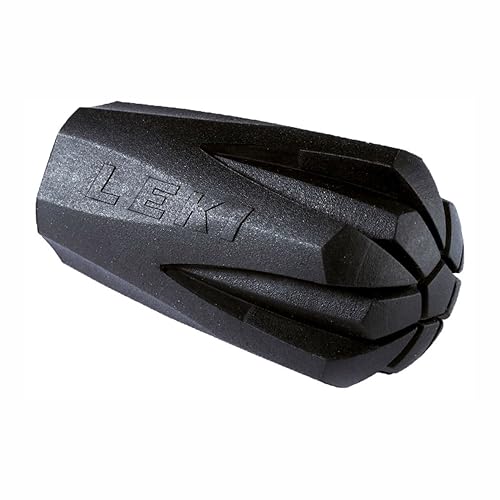
Even when orienting your stick downward, capping exposed trail spikes with thick vulcanized rubber ferrules provides essential protection for your gear. Bare metal spikes can rub against lightweight pack fabrics, eventually abrading through thin ripstop nylon during hours of continuous trail vibration. If your stick features an integrated or screw-on mud basket, seat the basket just above the lower pack loop. The wider diameter of the mud basket prevents the stick from sliding down through the webbing loop, creating a mechanical stop that keeps the staff suspended securely off the trail floor.
Securing Sticks with Dedicated Elastic Bungee Straps
Adding aftermarket elastic bungee straps provides one of the quickest and most versatile mounting upgrades for packs that lack built-in pole attachments. Accessory sets like the Marsrut 4pcs Climbing Stick Holder or the Xinjoduz 8 Pack feature durable rubber elastic cords paired with solid plastic fixing buckles. To install these bungee holders, simply loop the cord through a daisy-chain loop, a shoulder strap attachment, or an exterior compression loop on your pack. Once anchored to the bag, the elastic loop wraps snugly around your walking stick shaft to eliminate excess play.
Adjusting the tension takes only a moment by sliding the spring-loaded or friction buckle firmly against the stick shaft. The elasticity of the cord absorbs sudden jolts when you navigate uneven terrain, ensuring the stick remains tightly pinned against the bag without loosening over miles of walking. Multi-packs such as the CHIVOLONA Backpack Hiking Stick Holders also incorporate reflective stripes woven directly into the elastic cords. This subtle reflective detailing enhances visibility during dawn or twilight excursions and makes locating your lashing points effortless when organizing gear by headlamp at camp.
Mounting via Side Compression Straps and Stretch Pockets
Hikers carrying packs without front bungee cord loops can easily mount sticks using side compression straps. Start by sliding the rubber-capped tip of your walking stick directly into the bottom exterior water bottle pocket. Seating the base inside the pocket catches the bottom end and prevents downward slippage while shielding your pack fabric from friction. From there, align the shaft vertically along the side panel of the pack, tucking it beneath both the lower and upper horizontal compression straps.
Once the shaft rests flush against the pack body, pull the side compression straps tight to clamp the stick firmly into place. If your pack has quick-release side buckles, you can unclip them, position the stick, and buckle them over the shaft before pulling the webbing tight. This method works exceptionally well on everyday trail packs, including a versatile budget friendly hiking backpack that relies on simple, durable side compression webbing rather than specialized alpine loops. Tightening both compression straps eliminates any lateral wobble, keeping the stick parallel to your pack frame.
Managing Rigid Wooden Hiking Staffs Versus Collapsible Sticks
Traditional single-piece wooden walking sticks present different mounting challenges than compact, collapsible poles. Because solid hardwood staffs carved from hickory, oak, or chestnut measure between 50 and 55 inches, they inevitably extend above the top collar of your backpack. When securing a tall wooden staff, anchor the lower third of the shaft firmly to the base loop and fasten the middle section to the highest available lash point. This widespread two-point anchor reduces leverage forces, preventing the top of the stick from swaying back and forth as you walk.
Handle geometry also requires thoughtful positioning when securing natural wood sticks. If your staff features a curved tourist crook, a rounded knob, or a derby handle, rotate the handle inward toward the center of your pack. Orienting protruding grips inward prevents them from snagging on low-hanging branches, overhead vines, or dense brush along narrow singletrack trails. Conversely, collapsible aluminum or carbon fiber sticks should always be collapsed down to their shortest travel length before mounting, keeping the entire shaft within the protected perimeter of your backpack.
Balancing Weight Distribution and Pack Dynamics
Carrying heavy gear on the outside of a pack alters how weight transfers across your shoulders and hips. A dense, solid hardwood hiking staff weighs noticeably more than ultralight carbon fiber poles, creating an uneven pull if lashed haphazardly to one side. When you attach a single stick to one side panel, offset that weight by placing a full water bottle, a rolled shelter, or packed trail food in the opposite pocket. Balancing your lateral load prevents subtle torso twisting that can lead to lower back discomfort and uneven shoulder fatigue over long days.
Vertical weight placement equally influences your walking balance on steep trail gradients. Keep the heaviest portion of the stick, typically the dense grip and upper shaft, centered as close to the backpack frame as possible. Lashing gear loosely so that it hangs far away from the pack body pulls your center of gravity backward, forcing you to lean forward unnaturally on climbs. Securing the stick flat against the main pack compartment preserves your natural posture, helping you navigate rocky footpaths without fighting pack sway.
Preventing Pack Fabric Abrasion and Shaft Wear
Constant trail movement generates repetitive friction between hard gear and soft pack materials. Over several hours of hiking, a bare metal locking collar, an exposed carbide tip, or a rough wood bark finish can grind against pack fabrics. To safeguard your backpack from premature wear, inspect the points where the stick contacts pack seams and mesh pockets. Covering sharp metal tips with a tight-fitting rubber ferrule prevents accidental punctures and stops the ferrule from cutting through mesh pocket bottoms.
Protecting the stick itself is just as important, especially for handcrafted wooden staffs treated with boiled linseed oil or protective polyurethane coatings. Hard plastic buckles and rough nylon webbing can scuff wood grain or rub away oiled finishes when strapped down tightly. If you want to preserve the aesthetic finish of a prized hardwood stick, slip a small piece of cloth or a soft bandana between the compression strap buckle and the shaft. This simple barrier cushions the timber, prevents cosmetic gouges, and stops plastic hardware from rattling against the wood.
Quick-Stow and Quick-Deploy Techniques for Changing Terrain
Trails frequently transition between smooth dirt paths where a walking stick assists your cadence and steep rock scrambles where you need both hands free. Having a systematic method to stow your stick quickly prevents unnecessary trail delays. If you anticipate frequent transitions, consider mounting an adjustable bungee loop directly to your pack shoulder strap or side hip belt. Some hikers thread a lightweight elastic cord through their pack sternum strap to temporarily tuck their stick under their arm during brief hand-over-hand boulder sections.
When transitioning into dense brush, thick rhododendron tunnels, or technical river crossings, take the extra minute to secure the stick fully against the main pack body. A partially fastened stick that slips loose mid-scramble can throw off your footing or slide down an embankment. Practice unclipping your bungee holders or loosening side straps with one hand so you can mount and dismount your balance aid smoothly. Developing an efficient routine ensures you never hesitate to free your hands when terrain conditions demand three points of contact.
Troubleshooting Loose Attachments and Trail Vibration
Persistent shaft slipping and annoying rattling are common frustrations when attaching walking sticks to external pack loops. If your stick tends to slide downward through a lower bungee, the elastic loop may lack adequate tension around narrower lower shaft sections. You can easily resolve this by wrapping the bungee cord around the shaft an extra turn before engaging the locking buckle. Adding an extra twist creates additional surface friction that prevents the stick from creeping downward under trail vibration.
Environmental factors like freezing temperatures or sustained rain can also influence how securely hardware holds your gear. High-elasticity rubber cords may stiffen slightly in sub-freezing conditions, while wet nylon webbing can stretch and loosen its grip under heavy rain. When hiking through inclement weather, pause periodically during trail breaks to inspect your lash points and cinch down any loose slack. Ensuring buckles remain locked and tensioned keeps your gear quiet, stable, and completely secure throughout your journey.
Safe Handling and Physical Clearance Verification
Before taking your first strides on the trail with a mounted walking stick, perform a quick physical verification check. Grasp the top of your pack and give it a firm, controlled shake from side to side to test for excess movement. The attached stick should move as a unified part of the pack without clattering, sliding downward, or swaying independently. If you notice lateral play, tighten the upper bungee toggle or cinch the compression strap another notch until the stick sits rigid against the frame.
Finally, pay close attention to vertical clearance, particularly when carrying full-length wooden staffs that extend past your head. Be mindful when ducking under low trail bridges, stepping beneath fallen trees, or stepping inside trail shelters. A tall staff extending above your pack collar can easily catch on overhead obstructions if you forget its added height. Developing spatial awareness of your loaded pack profile ensures a smooth, safe outdoor experience for both you and your fellow trail companions.





Write Your Review
No reviews yet. Be the first to share your experience!