


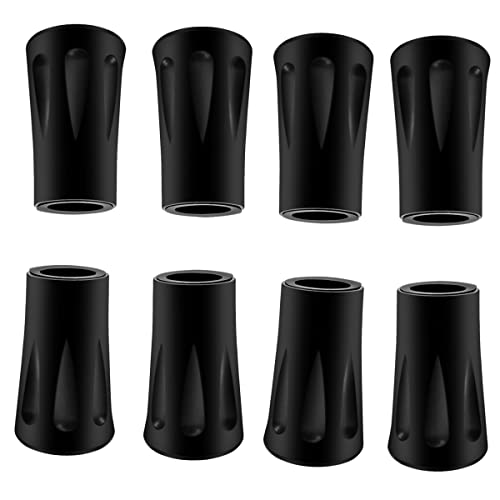
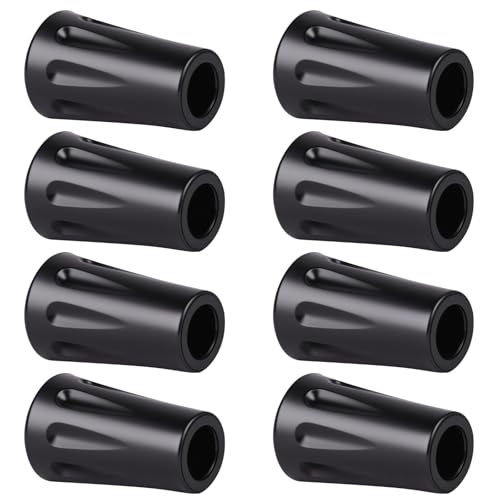
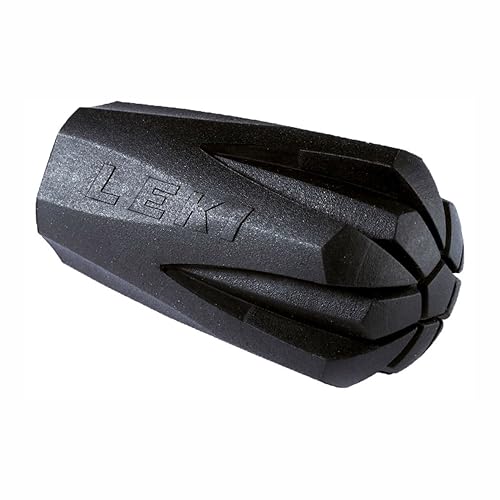
If you are looking at the bottom of a hiking staff and wondering about the black or grey component, you are looking at the ferrule. This specific part is often made of rubber or rubber-like materials and serves as the primary interface between the stick and the ground.
In the context of what is the rubber end of a walking stick called, the most accurate technical term is a ferrule, though many users simply refer to it as the tip, foot, or cap. Understanding this distinction helps you select the correct replacement parts when wear occurs.
The ferrule plays a critical role in providing traction, especially on smooth or wet surfaces where bare wood or metal might slip. It also protects the end of the shaft from damage and reduces noise when walking on hard pavement. For buyers, knowing the standard dimensions and materials of these components is essential for maintaining the longevity of your equipment. Whether you are using a traditional wooden staff or a modern adjustable pole, the ferrule is the first point of contact that ensures stability during your walks.


A closely related question is covered in what is the correct length for a walking stick, which may help alongside this section.
Understanding the Ferrule and Its Role
The term ferrule technically refers to any metal or rubber sleeve fitted onto the end of a stick to reinforce it. In modern walking sticks, this is frequently a rubberized component designed for grip. It acts as a shock absorber, cushioning the impact of each step on hard surfaces like concrete or asphalt.
This cushioning effect can reduce the vibration transmitted up the shaft, which may contribute to less wrist fatigue during long walks on urban paths. The material composition usually involves high-density rubber or thermoplastic rubber, chosen for its durability and ability to maintain flexibility in varying temperatures.
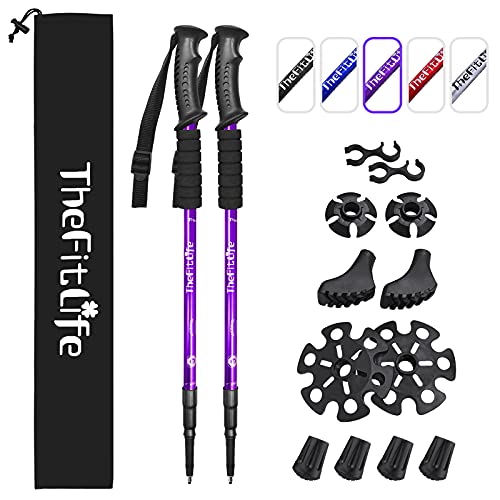
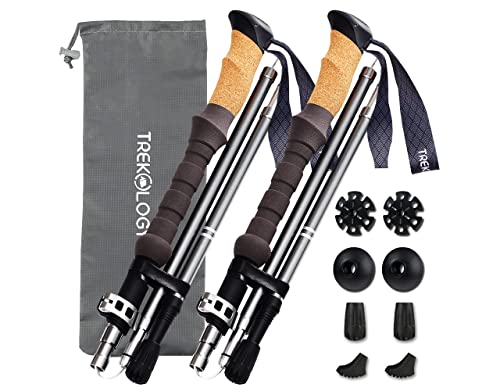
| Component Name | Primary Material | Typical Function | Common Fit Size |
|---|---|---|---|
| Ferrule | Rubber / TPR | Traction and shock absorption | 11mm / 0.43 inch |
| Carbide Tip | Tungsten Carbide | Traction on rock and ice | Integrated |
| Mud Basket | Plastic / Rubber | Prevent sinking in soft ground | 11mm / 0.43 inch |
| Boot Tip | Rubber | Extra cushion on gravel | 11mm / 0.43 inch |
Most standard trekking poles and walking sticks use a universal sizing for these replacement parts. The industry standard for the inner diameter of the rubber cap is often 11mm or approximately 0.43 inches. This standardization allows users to purchase replacements from various brands without needing to measure their specific shaft every time.
However, always verify the fit before installation, as some older or specialized wooden sticks may have slightly different tapers. A secure fit is crucial; if the ferrule is too loose, it may rotate or fall off during use, compromising your balance. If it is too tight, it may be difficult to remove for cleaning or replacement. Checking the manufacturer’s specifications for your specific stick model is the safest way to ensure compatibility.
Here are the key indicators that your current ferrule needs attention or replacement:
- Visible cracking or splitting along the sidewalls
- Significant flattening of the bottom tread pattern
- Loose fit that allows rotation on the shaft
- Hardened rubber that has lost its flexibility
- Deep gouges from rocks or debris on trails
- Fading or discoloration indicating material degradation
Material Differences and Performance
Rubber is the most common material for walking stick tips due to its natural grip characteristics. High-quality rubber offers a good balance between durability and flexibility. It provides consistent traction on wet pavement, which is a common challenge for hikers in urban or suburban environments. Some premium tips include a metal washer embedded in the rubber.
This washer serves a dual purpose: it reinforces the hole to prevent the carbide tip from piercing through the rubber, and it adds a slight weight to the bottom, which can improve the feel of the stick in your hand. The presence of this metal insert is a sign of a more robust construction, often found in heavy-duty replacement packs.
Thermoplastic rubber (TPR) is another material seen in modern accessories. It is often lighter than traditional rubber and may offer better resistance to aging from UV exposure. While pure rubber might harden over time in extreme cold, TPR tends to remain more flexible across a wider temperature range. For users who walk in varied climates, this material property can be a significant factor in long-term performance.
The choice between natural rubber and synthetic alternatives often comes down to personal preference for feel and weight, as both provide adequate grip for recreational use. Always inspect the material for signs of oxidation or drying out, as this reduces the friction coefficient and increases the risk of slipping.
Standard Sizing and Compatibility
When replacing your ferrule, the most critical specification is the inner diameter. The standard 11mm hole is compatible with the vast majority of modern aluminum and carbon fiber trekking poles. This standard size has become the de facto norm in the outdoor industry, making it easy to find replacements from multiple brands.
However, traditional wooden walking sticks, particularly those with a fixed height and no adjustable mechanism, may have a different shaft diameter at the base. Some wooden staffs have a tapered end that requires a specific shaped ferrule to ensure a snug fit. It is essential to measure the diameter of your stick’s end before purchasing a universal replacement to avoid fitment issues.
For adjustable poles, the tip mechanism often includes a screw-on carbide tip that passes through the rubber ferrule. The rubber cap slides over the shaft and sits around the carbide tip. The metal washer mentioned earlier is often part of this assembly. If you are using a stick with a non-screw-on tip, the rubber ferrule may be the only component at the bottom.
In these cases, the fit must be precise to prevent the stick from wiggling. A loose fit can lead to a loss of confidence in the stability of the stick, which is a safety concern. Always test the new ferrule by applying downward pressure and twisting it gently to ensure it stays in place without excessive force.
For more on a connected point, our page on what height walking stick do i need goes into it separately.
Terrain-Specific Tip Selection
While the rubber ferrule is the default for most walking conditions, specific terrains may benefit from different tip configurations. For example, on muddy or sandy trails, a standard rubber tip might clog with debris, reducing traction. In such cases, hikers often use a mud basket, which is a wider plastic or rubber cone that attaches over the standard tip.
This prevents the stick from sinking into soft ground. Similarly, for very hard gravel or rocky terrain, a boot tip with extra cushioning can reduce the noise and vibration transmitted to the hand. These specialized accessories are often sold as part of a set with the standard rubber ferrules. Understanding which accessory suits your typical walking environment can enhance both comfort and safety.
For paved surfaces like sidewalks or park paths, the standard rubber ferrule is ideal. It provides the necessary grip to prevent slipping on wet concrete. The tread pattern on the bottom of the ferrule is designed to maximize contact with the ground. Over time, this tread can wear down, becoming smooth and less effective.
Regular inspection of the tread depth is a simple maintenance task that can prevent accidents. If the tread is worn flat, the ferrule should be replaced. This is a low-cost maintenance item that contributes significantly to the overall safety of your walking equipment. Keeping a spare set in your pack is a wise strategy for long-distance hikers who may encounter unexpected wear.
Consider the following factors when selecting the right tip for your conditions:
- Rubber for general paved and dirt trail use
- Mud baskets for wet, soft, or sandy ground
- Boot tips for noisy or hard gravel surfaces
- Snow baskets for deep snow coverage
- Carbide tips exposed for ice and rock
- Universal 11mm fit for most modern poles
Maintenance and Longevity
Proper care of your walking stick tips extends their lifespan and ensures consistent performance. After each use, especially in wet or muddy conditions, it is good practice to rinse the ferrules with water to remove debris. Dried mud and dirt can act as an abrasive, wearing down the rubber faster.
Avoid using harsh chemicals or solvents, as these can degrade the rubber material and cause it to crack or become sticky. A simple rinse and air dry is sufficient for most maintenance needs. Regularly check the metal washer if present to ensure it is not corroding, which could affect the fit or the integrity of the tip.
Storage also plays a role in the longevity of rubber components. Prolonged exposure to direct sunlight can cause rubber to dry out and crack. If you store your walking sticks in a car or on a porch, try to keep them in a shaded area or in a bag. Extreme cold can also affect rubber, making it less flexible and more prone to cracking upon impact.
While modern TPR materials are more resistant to these effects, proper storage is still recommended. By treating your ferrules with care, you can ensure they provide reliable traction for many seasons. This attention to detail is part of the broader practice of maintaining your outdoor gear for optimal performance.
Safety and Balance Implications
The condition of your ferrule directly impacts your stability. A worn or loose ferrule can create a false sense of security, as the stick may feel firm until it suddenly slips or rotates. This is particularly dangerous on uneven terrain or during descents where you are relying on the stick for balance.
Always perform a quick check before starting your walk. Ensure the ferrule is seated firmly on the shaft and that the bottom tread is intact. If you notice any unusual movement or noise when tapping the stick on the ground, investigate the cause immediately. Do not ignore signs of wear, as they can lead to a loss of balance and potential injury.
For users who rely on walking sticks for balance support, the reliability of the tip is even more critical. The stick serves as an additional point of contact with the ground, helping to distribute weight and improve stability. If the tip is compromised, this support is reduced. It is important to choose high-quality replacement parts that meet the specifications of your stick. Avoid using makeshift solutions or non-standard parts that may not provide the necessary grip.
Your safety depends on the integrity of every component, including the seemingly simple rubber ferrule. By staying proactive with maintenance and inspections, you can ensure that your walking stick continues to provide the support you need for safe and enjoyable walks. For more details on maintaining your gear, you might find our guide on hiking backpack care useful, as it covers similar principles of material preservation and inspection.
Ultimately, the ferrule is a small but vital component of your walking stick. Understanding its function, sizing, and maintenance requirements allows you to make informed decisions about when to replace it. By choosing the right material and ensuring a proper fit, you enhance the performance and safety of your equipment.
Whether you are a casual walker or a dedicated hiker, keeping your tips in good condition is a simple step that contributes to a better walking experience. Regular checks and timely replacements are key to maintaining the reliability of your stick on any terrain. Stay attentive to the condition of your gear, and you will be well-prepared for whatever the trail brings.
A closely related question is covered in where to buy walking stick rubber tips, which may help alongside this section.




Write Your Review
No reviews yet. Be the first to share your experience!