


Hiking across rugged terrain often turns simple hydration into an awkward chore when you must stop your pace and reach for an external bottle. A hands-free reservoir solves that problem by keeping fresh water available through a flexible delivery tube anchored directly to your chest harness. Anyone asking what is water bladder gear will find that it is a soft, puncture-resistant fluid container designed to sit securely inside a backpack sleeve. This design allows outdoor adventurers to sip continuously while maintaining physical balance, rhythm, and forward momentum during tough climbs.
Modern hydration reservoirs feature food-grade materials, wide fill ports for loading ice, and responsive bite valves fitted with manual lockout switches. Whether you carry one inside a technical mountaineering rig or a budget hiking daypack, reliable liquid delivery keeps dehydration from sneaking up on you. High-quality systems eliminate chemical odors while guarding against leaks near sensitive clothing or electronics. Understanding how these specialized reservoirs function helps you pick the right capacity, opening style, and hose setup for your trail activities.
Pros
- Large 3-liter capacity minimizes the need for frequent refills on dry trail segments.
- Wide-mouth opening accommodates bottle brushes and ice cubes for straightforward maintenance.
- Auto-shutoff connector enables disconnecting the drinking hose without draining the reservoir.
- Integrated dust cover keeps the bite valve clean when resting packs on dusty ground.
Cons
- Screw-top cap mechanism adds a raised profile compared to flat slide-lock bladders.
- Manufacturer-stated liquid operating range of 20 to 50 degrees Celsius is not intended for boiling liquids.
- Overall length of 16.9 inches may be too tall for compact running vests or smaller lumbar daypacks.
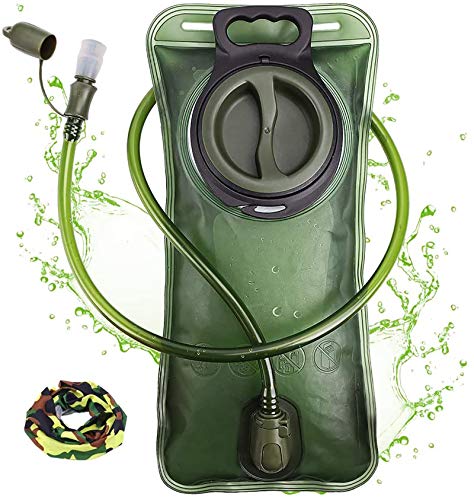
The CHERAINTI 3L Hydration Bladder is an aftermarket water reservoir designed to fit inside the hydration sleeve of hiking daypacks, backpacking packs, cycling bags, and travel rucksacks. Holding three liters of water, it suits day hikers tackling sun-exposed routes, weekend backpackers seeking a central reservoir for camp use, and trail users replacing an old or leaking bladder without spending top-dollar brand premiums.
On the trail, physical dimensions play an essential role in how well a reservoir integrates with your pack. Measuring 16.9 inches long by 7.6 inches wide and weighing approximately 0.62 pounds empty, this bladder drops cleanly into vertical hydration compartments of mid-sized to full-sized hiking backpacks. The 40-inch long drinking hose with a 0.4-inch diameter provides ample length to route through hydration ports and down pack shoulder straps, giving hikers easy drinking access without halting their stride.
In terms of construction and hardware, the reservoir utilizes BPA-free materials assembled with double-sealed edge seams designed to resist pressure inside a fully packed bag. The connection port at the base incorporates a quick-release mechanism with an automatic shut-off valve. This allows you to disconnect the drink tube for packing or cleaning while the bladder remains full of water, preventing leaks inside your pack or refrigerator.
Refilling and cleaning are handled through the large screw-on fill port. The wide diameter accommodates large ice cubes and provides sufficient clearance to fit a hand or cleaning brush into the smooth-walled interior. The drinking end features a soft silicone bite valve with a mechanical on/off lever to prevent accidental dripping during transport, accompanied by a tethered protective dust cap that guards the mouthpiece against grit and trail debris.
Potential buyers should account for a few practical considerations. The circular screw-cap design creates a firmer, bulkier contact point against the pack back panel compared to flat slide-seal reservoirs, which can be noticeable in frameless packs. Additionally, the manufacturer-listed fluid temperature tolerance is 20 to 50 degrees Celsius, meaning the bladder is not rated for hot or boiling liquids. At nearly 17 inches in length, it may also bunch up in shallow running packs or small-capacity hydration vests.
For hikers, campers, and multi-sport outdoor enthusiasts looking for a budget-conscious, high-volume replacement reservoir, the CHERAINTI 3L Bladder provides practical hydration utility. Verify your pack sleeve dimensions before purchasing, but for standard daypacks and multi-day backpacks, it delivers dependable volume and straightforward cleaning.
The CHERAINTI bladder features an exterior footprint of 16.9 inches tall by 7.6 inches wide, requiring a pack hydration sleeve with at least 17 inches of vertical clearance for an unbunched fit. It works well with standard 20L to 65L hiking daypacks and multi-day backpacks that provide dedicated reservoir sleeves and shoulder-strap hose routing loops.
The included 40-inch hose provides plenty of reach from deep internal hydration sleeves out through top or side hose ports. Because the quick-disconnect fitting features an automatic shutoff valve, the bladder can be removed from your backpack for trailside refills while leaving the hose routed through your shoulder harness.
The large screw-cap opening provides direct hand access into the interior, facilitating thorough cleaning with warm water, mild soap, and a standard bottle brush. The smooth inner surface helps deter residue buildup between trail excursions.
To maintain product longevity, adhere to the manufacturer-listed liquid temperature range of 20 to 50 degrees Celsius (68 to 122 degrees Fahrenheit). Avoid using boiling water to sanitize the reservoir. After washing, prop the bladder open and hang it upside down until completely dry before storing it away.

Pros
- Quick-release hose uncouples cleanly without leaking water from the filled reservoir body
- Generous 3.5-inch screw opening simplifies interior washing, hand drying, and loading ice cubes
- Tethered dust cap keeps blowing sand, dust, and trail debris away from the drinking mouthpiece
- Lightweight design weighs approximately 0.44 pounds empty, avoiding unnecessary base pack weight
Cons
- Screw-on cap requires deliberate thread alignment to ensure a flat, water-tight seal compared to slide-top closures
- Maximum temperature limit of 50 degrees Celsius (122 degrees Fahrenheit) prevents using boiling water for cleaning or warmth
- Lacks an internal stabilizing baffle, which can allow water to shift inside loosely packed gear compartments
The HEIKLN 2L Hydration Bladder is a standalone replacement water reservoir engineered for day hikers, backpackers, mountain bikers, and trail runners who require reliable, hands-free hydration. Weighing approximately 0.44 pounds empty with dimensions of 14.2 inches long by 6.8 inches wide, this bladder is designed to slip directly into the dedicated internal hydration sleeve of standard hiking daypacks and multi-day trekking packs. It provides an efficient solution for hikers seeking to replace an aged reservoir or convert an existing hydration-compatible pack into an active drinking system.
On the trail, consistent fluid access depends on hose routing and valve reliability. This model includes a 40-inch drinking hose with a 0.4-inch outer diameter, offering plenty of length to route up through pack shoulder-strap loops and secure to a sternum-strap magnetic or clip retainer. Flow is controlled through a soft bite valve activated by light tooth pressure, supported by an integrated push-pull valve that shuts off the water line entirely during transport. A tethered dust cap covers the silicone bite tip, preventing dirt, mud, and trail grit from contaminating the mouthpiece when your backpack is set down at rest stops.
Material construction focuses on basic durability and water purity. The bladder body is built from taste-free, BPA-free, SGS-certified food-grade material engineered to resist plastic odors and maintain neutral water taste. To prevent accidental bursts or seam splitting when packed tightly against camp gear, the bladder incorporates double-welded side seams and undergoes pneumatic pressure testing. A critical convenience feature is the quick-release tube base: pressing the release button decouples the hose while an automatic shut-off valve keeps the water sealed inside the reservoir, allowing you to refill your water without unthreading the drinking hose from your pack straps.
Filling and routine maintenance are managed through a large 3.5-inch screw-on port. This broad mouth allows hikers to drop ice cubes straight into the reservoir on warm summer mornings and provides ample room to insert a hand, sponge, or cleaning brush to scrub the inner walls. The reservoir is rated for liquid temperatures ranging from -20 to 50 degrees Celsius (-4 to 122 degrees Fahrenheit), accommodating cold tap water, iced fluids, and chilled conditions across three-season outings.
There are several practical considerations to evaluate before buying. While the 14.2 by 6.8-inch silhouette matches most mid-size daypack hydration sleeves, users with ultra-compact running vests or exceptionally shallow hydration pockets should measure their compartment depth first. Additionally, the screw-on closure requires careful alignment to avoid cross-threading, and the bladder does not contain an internal center baffle, meaning water may slosh slightly when partially full if your backpack lacks external compression straps.
The HEIKLN 2L Hydration Bladder represents a practical, functional replacement reservoir for hikers seeking dependable hydration without paying premium brand prices. If you need an easy-to-fill, quick-disconnect reservoir for regular day hikes, local trail outings, or weekend backpacking loops, it provides the essential features needed to stay hydrated on trail.
The HEIKLN 2L reservoir fits backpacks equipped with internal hydration sleeves measuring at least 15 inches tall and 7 inches wide. Its 14.2-inch by 6.8-inch body profile integrates smoothly into standard hiking daypacks, hunting packs, and weekend backpacking packs with built-in hanger loops.
With a 40-inch flexible drinking hose and a 0.4-inch diameter, the tube provides adequate reach to travel out of hydration exit ports and extend along pack shoulder straps. The quick-release connection allows the bladder to be removed from the pack for refilling while leaving the hose routed through harness loops.
Routine cleaning is facilitated by the 3.5-inch wide screw-cap opening, which allows a standard bottle brush or hand sponge to scrub interior surfaces. Washing with mild soap and warm water below 50 degrees Celsius (122 degrees Fahrenheit) protects the structural integrity of the food-grade material.
After rinsing, prop the bladder open to ensure complete air drying between hiking trips, which prevents moisture retention inside the corners. The detachable hose and removable silicone bite valve components can be rinsed individually to keep the entire fluid path clear and fresh.
Understanding Hydration Reservoirs and Hands-Free Trail Water Storage
A hydration bladder is a specialized liquid reservoir made from flexible, food-safe polymers designed to carry drinking water inside a backpack. Unlike rigid bottles that require hand manipulation, a bladder integrates with a flexible drinking tube to supply instant hydration on the go. Outdoor enthusiasts across hiking, trail running, and mountain biking use these reservoirs to sip small amounts regularly without breaking their pace. By positioning water weight close to your spine, this system preserves balance and stabilizes your center of gravity on steep trails.
Core Components of a Modern Hydration Bladder System
The reservoir body forms the foundation of the hydration bladder, acting as a flexible fluid envelope that conforms to pack contours. Modern reservoirs use thermoplastic polyurethane or food-grade polyethylene films designed to flex under pressure without leaking. Radio-frequency welded seams bond the edges securely to handle shifting backpack loads. Most models also include top loops or rigid hangers that attach directly to internal backpack clips to keep the bladder upright.
Connected to the bottom of the reservoir is a flexible drinking tube that delivers water directly to the user. Most tubes measure around forty inches in length with an outer diameter near zero point four inches, offering plenty of reach over shoulder straps. This conduit balances generous fluid flow with low draw resistance so you can drink easily during strenuous climbs. Quick-release connectors at the base allow users to detach the hose without spilling water.
At the end of the tube sits the bite valve, which functions as a self-sealing terminal valve. Made from soft silicone, the valve stays closed until teeth apply gentle pressure across its slit. Releasing jaw pressure automatically seals the valve, preventing drips on your chest or harness. Advanced designs include manual shutoff levers beneath the silicone head and protective dust caps to keep out trail dirt.
Primary Operational Differences Between Reservoirs and Water Bottles
Carrying water in a reservoir creates a different trail experience than packing rigid bottles. Traditional bottles sit in exterior pockets, requiring you to halt, twist, or unbuckle your pack to take a drink. A hydration bladder keeps the drinking valve positioned right near your collarbone for effortless micro-sipping. Drinking small amounts every few minutes sustains hydration levels better than gulping water after long, thirsty intervals.
Water is one of the heaviest gear items you carry, with two liters weighing more than four pounds. When stored in uneven side pockets, rigid bottles create lateral torque that pulls on your shoulders and alters your gait. A flexible bladder rests vertically against your pack back panel, centering dense water weight directly against your spine. This centered mass improves balance when walking narrow paths or scrambling over rocks.
While bladders offer superior ergonomics, they do make monitoring remaining water slightly harder. Because the reservoir remains hidden inside an internal backpack sleeve, you cannot visually check water levels at a glance. Experienced hikers monitor fluid by feeling the decreasing weight of their pack during rest breaks. Keeping track of how light your load feels prevents running dry miles before the next trail spring.
Reservoir Closure Types and Refilling Mechanisms
Threaded screw-cap openings provide a dependable and familiar closure mechanism for outdoor bladders. Options like the Hydration Bladder, 3L Water Bladder for Hiking and the HEIKLN Hydration Bladder 1.5L-2L-2.5L-3L,Leak feature wide screw-on collars measuring roughly three point five inches across. This generous opening makes pouring water simple and lets you add ice cubes straight from home dispensers. A sturdy molded handle near the opening provides leverage when filling under faucets or backcountry filters.
Another popular closure method uses a wide top fold secured by a sliding plastic clip. Slide-seal reservoirs open across their full width, creating an unobstructed entryway that speeds up refilling and cleaning. This wide mouth lets you scoop water quickly from calm alpine pools or shallow streams. In many cases, this architecture also allows the entire reservoir to be turned inside out for thorough post-trip drying.
Refilling your reservoir on the trail requires pairing your closure style with your water filtration system. Wide screw collars match well with gravity filter hoses, while slide tops work smoothly with collapsible scoop bags. When gathering water from backcountry sources, keep exterior threads and closures out of untreated pools. Keeping sealing surfaces clean protects your purified drinking supply from accidental contamination.
Bite Valve Mechanics and Drip Prevention Controls
A silicone bite valve relies on elastic material deformation instead of mechanical springs. Biting down gently on the soft silicone sheath spreads the central slit open to release water. Once pressure is released, the natural tension of the silicone closes the slit against internal fluid pressure. This self-sealing action keeps water contained during normal movement without requiring manual closing after every sip.
Relying solely on the self-sealing slit can lead to leaks if your pack shifts and pinches the valve. Quality bladders feature a push-pull cap or twist lever located just behind the silicone mouthpiece. Pulling the valve outward unlocks water flow, while pushing it back seals the passage completely. Engaging this manual lockout before setting your pack down guards against accidental compression leaks.
Exposed mouthpieces easily collect dirt, dust, and mud while you hike along dry trails. Many reservoirs include an attached plastic dust cover that clips over the silicone tip. Keeping the cover fastened shields the bite valve from trail grit and airborne particles. Giving the cover a quick rinse at camp keeps your drinking surface sanitary during extended trips.
Detachable Drink Tubes and Auto-Shutoff Couplings
Modern hydration bladders often feature quick-release push-button connections where the hose meets the bladder body. Pressing the release button disconnects the tube while an internal check valve shuts automatically. This auto-shutoff mechanism holds all liquid inside the reservoir even when disconnected. Hikers can leave their drinking tube routed through pack harness loops while removing only the reservoir bag to refill.
Without a quick-disconnect port, pulling a bladder from a loaded pack requires unthreading the entire forty-inch hose. That cumbersome process can snag the bite valve or drop the mouthpiece in the dirt. Detachable couplings eliminate this frustration by letting you unclip the reservoir in seconds. Once refilled, the bladder slides back into the sleeve and snaps easily into the existing hose fitting.
The seal inside a quick-disconnect coupling relies on a small rubber or silicone O-ring on the male connector. Dirt, sand, or mineral deposits can settle inside the socket and cause slight moisture seepage over time. Checking the O-ring regularly for tears or grit keeps the connection leak-free and reliable. A light wipe and occasional food-grade lubricant keep the coupling snapping smoothly into place.
Film Construction, Seam Welding, and Taste Neutrality
Quality hydration bladders are made from durable thermoplastic polyurethane films that resist punctures and abrasion. Reservoirs that undergo pneumatic pressure testing verify that welded seams stay intact under heavy gear weight. Double-sealed perimeter welding strengthens the edges where pressure concentrates during sudden pack drops. Selecting certified BPA-free and food-grade materials ensures your drinking water remains safe and free from toxic compounds.
Brand new reservoirs sometimes impart a synthetic plastic taste to water during early trail outings. Quality materials reduce this odor, but a thorough initial wash helps clear away factory residues. Soaking the bladder overnight with warm water and a tablespoon of baking soda neutralizes plastic odors effectively. Flushing the hose and valve afterward leaves the reservoir clean and taste-free for the trail.
Hydration bladder materials have defined operating temperature limits that protect welded seams from softening. Most reservoirs handle temperatures between minus twenty and fifty degrees Celsius without structural issues. Pouring boiling water into a bladder can weaken polyurethane films and damage seam welds. Using cold or lukewarm water preserves the bladder body and keeps the material supple for years.
Capacity Sizing and Pack Volume Considerations
Selecting the right reservoir capacity depends on your trail distance, local temperature, and backpack sleeve dimensions. Compact bladders holding one point five to two liters provide enough water for two to four hours of running or biking. A two-liter bladder measuring around fourteen point two inches long by six point eight inches wide fits easily into smaller packs. These smaller volumes keep overall pack weight manageable while supporting steady trail hydration.
For long day hikes or remote treks through arid regions, three-liter reservoirs provide an essential buffer against dehydration. A three-liter reservoir measuring around sixteen point nine inches long by seven point six inches wide requires a taller pack frame. Carrying a full three-liter bladder inside an internal frame hiking backpack transfers the six-pound water load directly onto your hip belt. This higher capacity is invaluable when traversing dry trails where water sources are far apart.
Always check your pack dimensions before choosing a reservoir to ensure the filled bag sits flat. An oversized bladder in a narrow sleeve can barrel outward, bulging against your back panel uncomfortably. On hot summer outings, storing your reservoir inside an insulated cooler backpack or thermal sleeve helps prevent water from warming rapidly. Proper fit preserves comfortable posture and prevents restricted hose routing.
Proper Routine Sanitation, Odor Removal, and Drying Practices
Routine post-trip cleaning keeps your hydration system hygienic and prevents unpleasant mold growth. Always empty leftover water as soon as you return home instead of leaving a closed bladder in your pack. If you use electrolyte mixes on the trail, wash the reservoir immediately with mild soap and warm water. Sugars from hydration mixes promote rapid bacterial and mold growth inside damp tubes if left uncleaned.
Long drinking tubes are particularly prone to slime accumulation because moisture lingers in narrow spaces. Simple water rinses rarely remove film clinging to internal hose walls. Running a flexible wire brush through the forty-inch tube cleans out residue effectively. Brushing the tube every few trips keeps water tasting clean and prevents discoloration.
Trapped moisture inside stored bladders creates prime conditions for black mold and mildew. After washing, prop the opening apart with a clean hanger or drying rack so air circulates freely. Hang the bladder upside down until every trace of water evaporates from the corners. Storing a completely dry bladder in your freezer between trips also halts any potential microbial growth.
Trail Maintenance and Common Operating Pitfalls
New users often dislike the loud sloshing sound caused by trapped air bubbles inside a half-filled reservoir. You can stop this sloshing completely by burping out air before hitting the trail. Turn the filled bladder upside down so air bubbles gather near the hose connection port. Bite the valve and draw suction until all air clears and steady water reaches the mouthpiece.
Freezing weather can cause water inside an exposed drinking hose to freeze within minutes. Because ice starts forming in narrow openings, bite valves often freeze first and cut off your water supply. After drinking in freezing conditions, blow air back into the tube to push water into the warm pack body. This back-blowing habit keeps the hose clear and operational on cold alpine adventures.
Before leaving on a major hike, always perform a quick leak check at home to verify all seals. Fill the reservoir, close the cap, and apply light pressure over a sink to inspect seams and fittings. Ensure the quick-release hose clicks into place securely and shows no signs of dripping. Checking your gear beforehand prevents surprises and keeps dry layers safe inside your pack.



Write Your Review
No reviews yet. Be the first to share your experience!